- Category
- Latest news
Is Russia Outpacing the US in Arctic Reach With the World’s Most Powerful Icebreaker?
 Prefer U24 Media on Google
- Authors




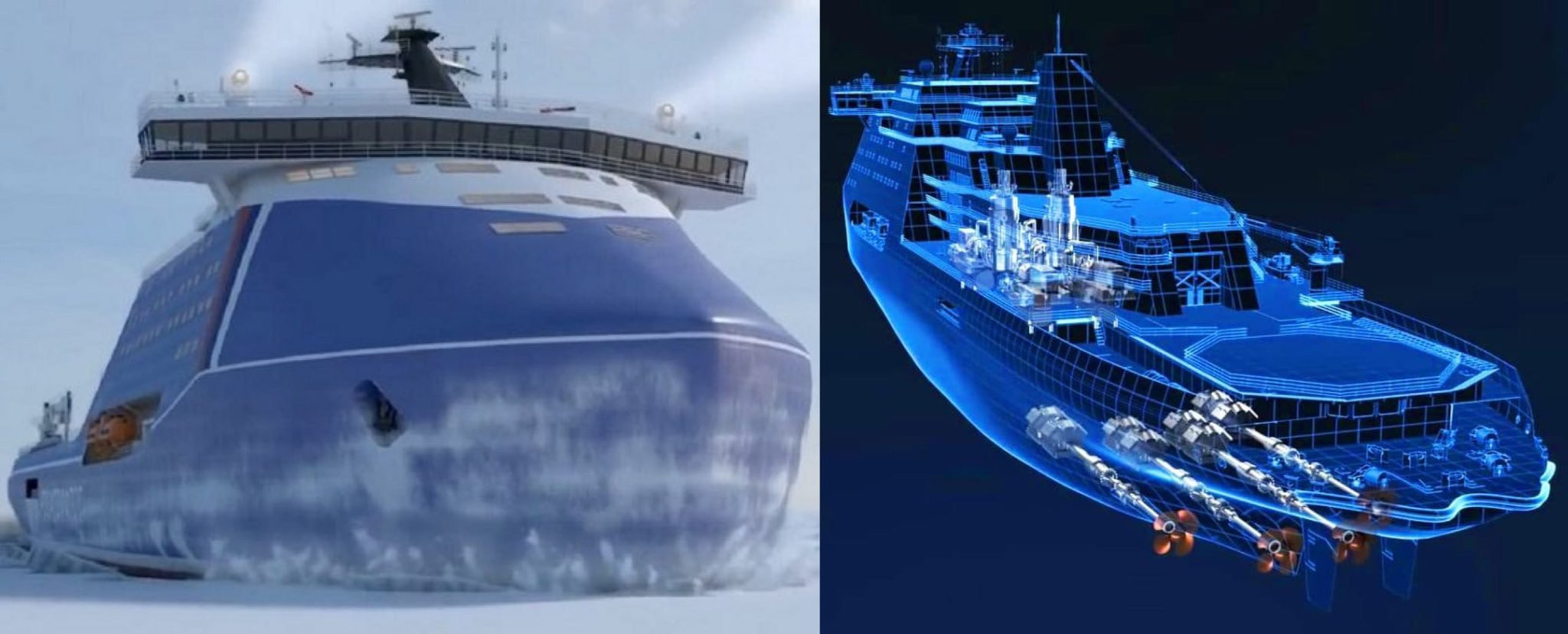
Russia is pressing ahead with the construction of its next-generation Lider-class nuclear icebreaker, a project that significantly expands the country’s ability to operate year-round in the Arctic and reinforces its military and logistical posture in the High North, according to an assessment by Army Recognition published on January 26.
The update was confirmed by a Russian leader during a January 23 appearance at the Moscow Institute of Physics and Technology, where he said the vessel—described as unmatched in power globally—is progressing on schedule at the Zvezda Shipyard and remains on track for completion by 2030.
We bring you stories from the ground. Your support keeps our team in the field.
Civilian ship with strategic weight
Formally designated Project 10510, the Lider icebreaker is officially presented as a civilian vessel intended to keep the Northern Sea Route open for commercial traffic.
In practical terms, however, Army Recognition and other defense analysts note that a platform capable of guaranteeing access through extreme ice conditions functions as a strategic enabler for state power.
Russia already fields the world’s largest icebreaker fleet, including dozens of diesel vessels and multiple nuclear-powered ships. Lider represents a qualitative leap.
Once operational, it will allow Moscow to maintain a continuous surface presence in areas where most competitors face severe seasonal constraints.
This 75,000 horsepower monster is the world’s biggest nuclear-powered icebreaker.
— GiGadgets (@gigadgets_) October 5, 2022
Check out the amazing clips of Yamal icebreaker by @timelabpro/IG. #gigadgets #icebreaker #northpole #ships #russian pic.twitter.com/jdgjPRiHqQ
Record-breaking specifications
The Lider-class design is built around a nuclear turbo-electric propulsion system delivering up to 120 megawatts at the shafts, powered by two RITM-400 reactors. Open-source specifications cited by Army Recognition place the ship at roughly 209 meters in length, with a beam of nearly 48 meters and a displacement approaching 70,000 tons.
Those dimensions are operationally significant. Lider is designed to break through more than four meters of ice and open a channel up to 50 meters wide, enabling escort of large-tonnage vessels that cannot follow narrower leads created by existing icebreakers. The ship is also expected to sustain operations for months at a time without refueling.
Military and logistical implications
From a defense perspective, the impact goes far beyond commercial shipping. A wide, predictable ice channel allows Russia to move fuel, ammunition, construction materials, and heavy equipment to remote Arctic bases with fewer weather-related delays. Army Recognition notes that logistics—not combat power—are often the limiting factor in sustained Arctic operations.
The ability to escort convoys through two-meter ice at double-digit speeds effectively reduces the Arctic ice season from a strategic barrier to a manageable operational challenge. This directly benefits Russian ground forces, naval units, and coastal defense formations stationed across the Arctic littoral.
Strengthening Arctic basing and patrols
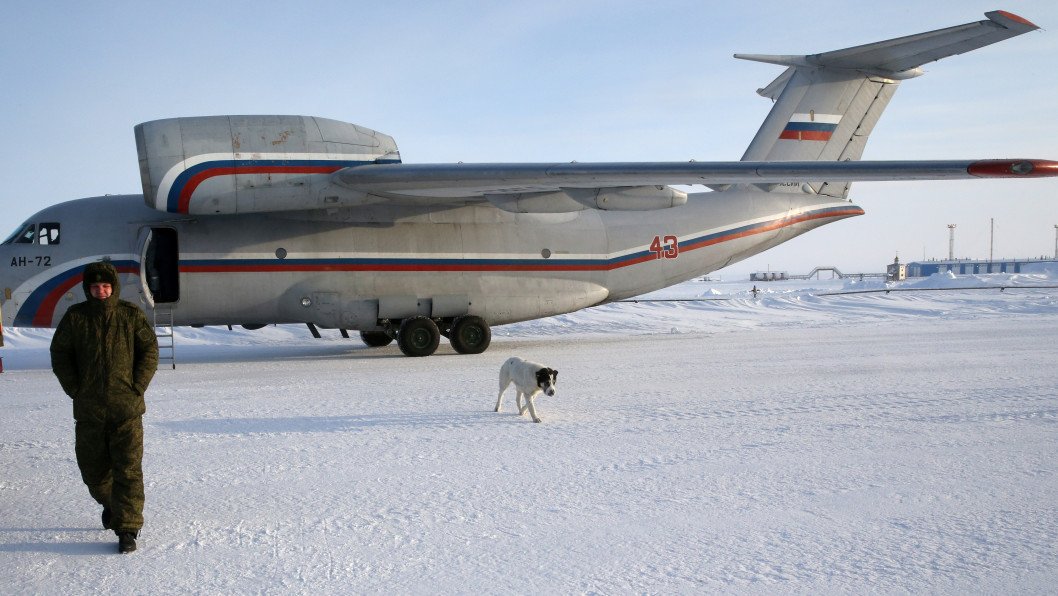
Russia has spent more than a decade rebuilding and expanding military infrastructure across the High North, including airfields, radar sites, and permanent garrisons. Icebreaking capacity underpins all of it. Without reliable maritime access, northern bases become isolated; with it, they become resilient.
Analysts cited by Army Recognition emphasize that Lider strengthens Russia’s freedom of maneuver along its Arctic coastline and supports more frequent patrols by surface combatants and auxiliary vessels. It also reduces dependence on southern maritime routes that could be more vulnerable during a crisis involving NATO.
Growing capability gap
By comparison, Western Arctic icebreaking capacity remains limited. While the US and its partners have acknowledged the gap and launched modernization programs, those efforts are still years away from delivering comparable power and endurance.
Army Recognition assesses that this imbalance has concrete operational consequences. In the Arctic, access equals presence, and presence shapes control. A ship like Lider, though nominally civilian, effectively becomes a cornerstone of Russia’s Arctic security architecture.
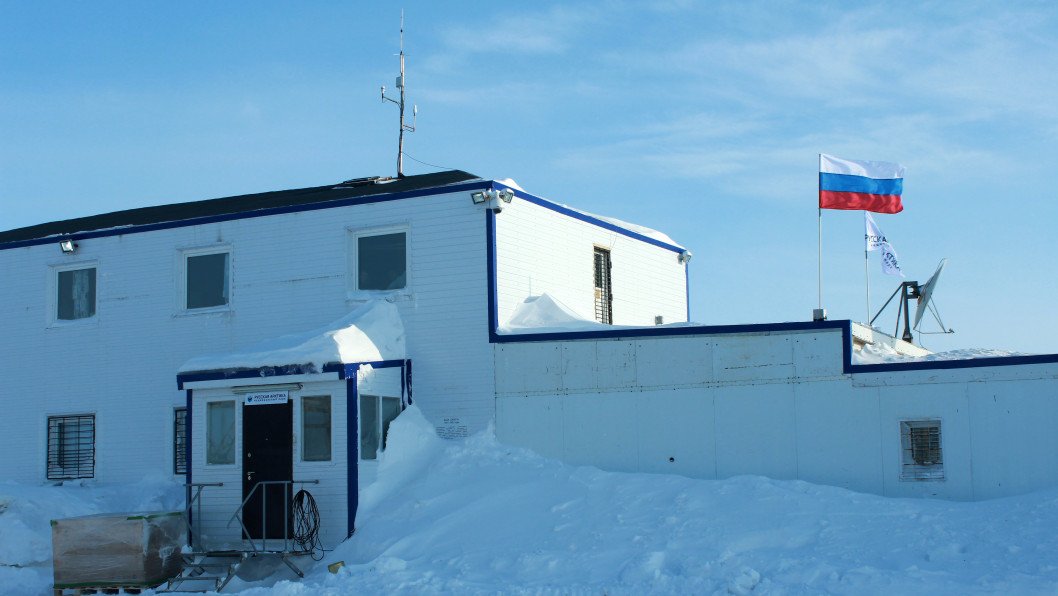
Taken together, the Lider program underscores how Moscow views the Arctic not as a peripheral theater but as a core domain linking economic interests, infrastructure, and long-term military positioning.
Once operational, the icebreaker will give Russia greater flexibility to patrol, resupply, and project influence across the High North—on its own terms.
Earlier, reports emerged that Russia was reportedly facing critical challenges in maintaining its Arctic port infrastructure, undermining its ambitions to turn the Northern Sea Route into a viable alternative to global trade corridors such as the Suez Canal.
Discuss this article:
-4a56a6b482ec132402c16ef6fcabf9a2.png)


-72b63a4e0c8c475ad81fe3eed3f63729.jpeg "Photo of Cyril Barabaltchouk")


-111f0e5095e02c02446ffed57bfb0ab1.jpeg "Photo of Roman Kohanets")