- Category
- Latest news
Japan Refuses to Join EU Plan to Use Frozen Russian Assets for Ukraine Loan
 Prefer U24 Media on Google
- Authors

-111f0e5095e02c02446ffed57bfb0ab1.jpeg "Photo of Roman Kohanets")
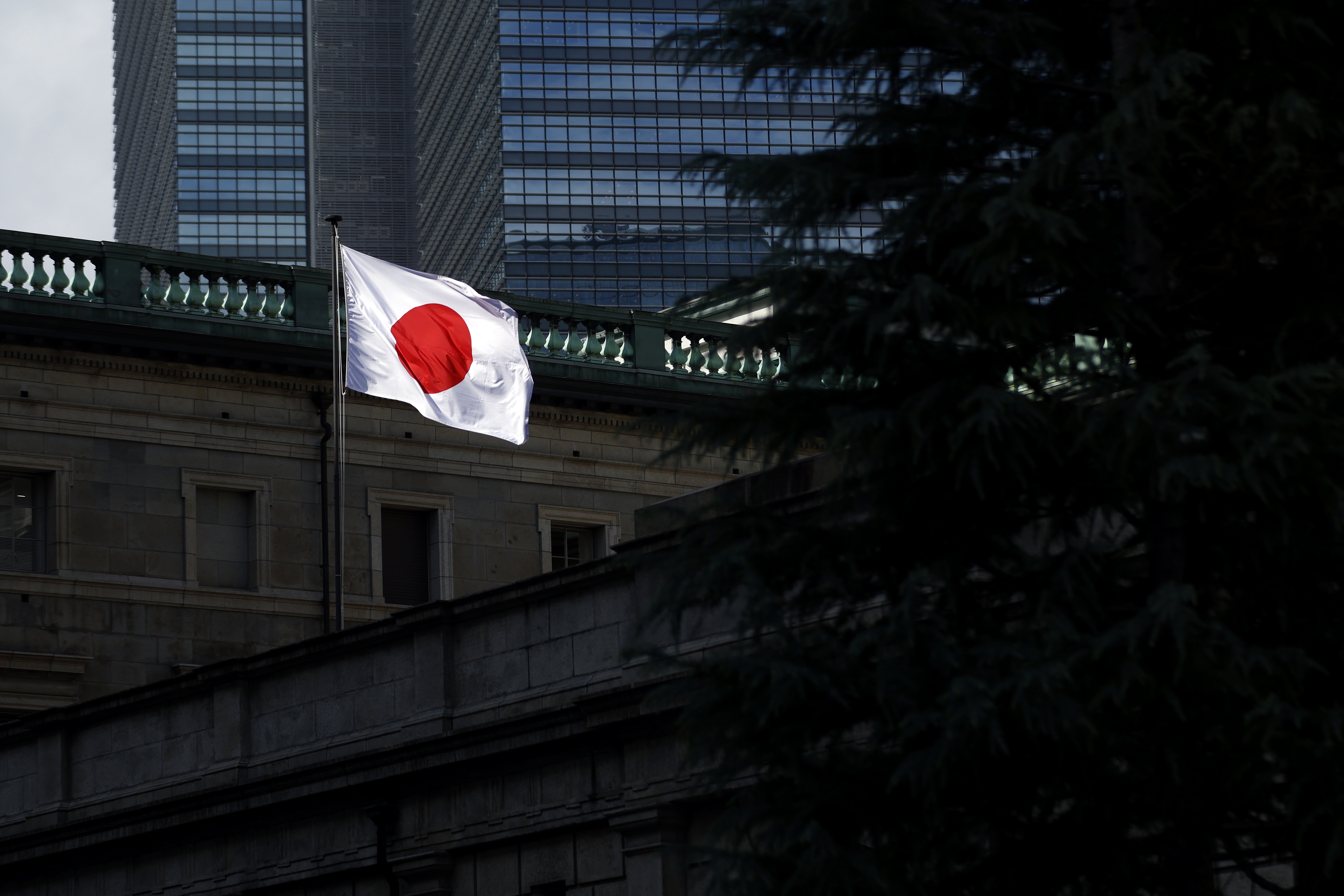
Japan has refused to join the European Union’s plan to use frozen Russian state assets to support Ukraine, weakening Brussels’ push for a globally backed “reparations” loan, according to Politico and RBC-Ukraine on December 9.
During a virtual meeting of G7 finance ministers, Tokyo rejected an EU request to replicate the bloc’s scheme for channeling the monetary value of Russian sovereign assets held at the Belgium-based clearing house Euroclear to Ukraine.
We bring you stories from the ground. Your support keeps our team in the field.
Japan cited legal constraints and “signaled it is unable to use around $30 billion worth of Russian frozen assets held on its soil,” an amount equivalent to approximately $30 billion. Several officials said Japan’s stance also reflects US opposition to deploying frozen Russian assets for Ukraine, with Tokyo reluctant to diverge from its key ally.
The European Commission is seeking agreement from EU governments by the leaders’ summit on December 18 on a mechanism to utilize up to approximately $225 billion in frozen Russian funds, most of which are held at Euroclear, to secure a large, long-term loan for Kyiv.
According to EU diplomats, Brussels has urged other G7 members that hold frozen Russian assets to provide parallel loans to Ukraine, backed by the assets under their jurisdiction, so that both the financial exposure and the risk of Russian retaliation are more widely shared.
-74a96d0b650d26f704c6111852160812.jpg)
However, both Japan and the US declined to join the EU plan at Monday’s meeting, and Washington indicated it intends to scale back financial support for Ukraine once disbursements are completed under the G7 Extraordinary Revenue Acceleration mechanism, a $50 billion loan package agreed in 2024 and backed by proceeds from immobilized Russian central bank assets.
In a separate joint statement, G7 finance ministers said they would continue to examine ways to use frozen Russian sovereign assets, including the possibility of confiscation, provided any steps comply with national and international law and contribute to what they called a “just and lasting peace” in Ukraine.

In contrast, the EU line has been endorsed by the United Kingdom and Canada, which have signaled readiness to channel frozen Russian assets held on their territory into Ukraine-focused loans modeled on the proposed reparations mechanism if a legally robust framework is agreed in Brussels.
Earlier, it was reported that the European Commission is drafting a plan to channel nearly €200 billion in frozen Russian assets to support Ukraine’s defense and reconstruction—including testing a new special-purpose fund that could, in the future, be open to non-EU states holding frozen Russian assets.
Discuss this article:
-4a56a6b482ec132402c16ef6fcabf9a2.png)

-c439b7bd9030ecf9d5a4287dc361ba31.jpg "Photo of Katherina Popilnichenko")