- Category
- Latest news
EU Considers Special Fund to Channel €200 Billion in Frozen Russian Assets to Kyiv
 Prefer U24 Media on Google
- Authors


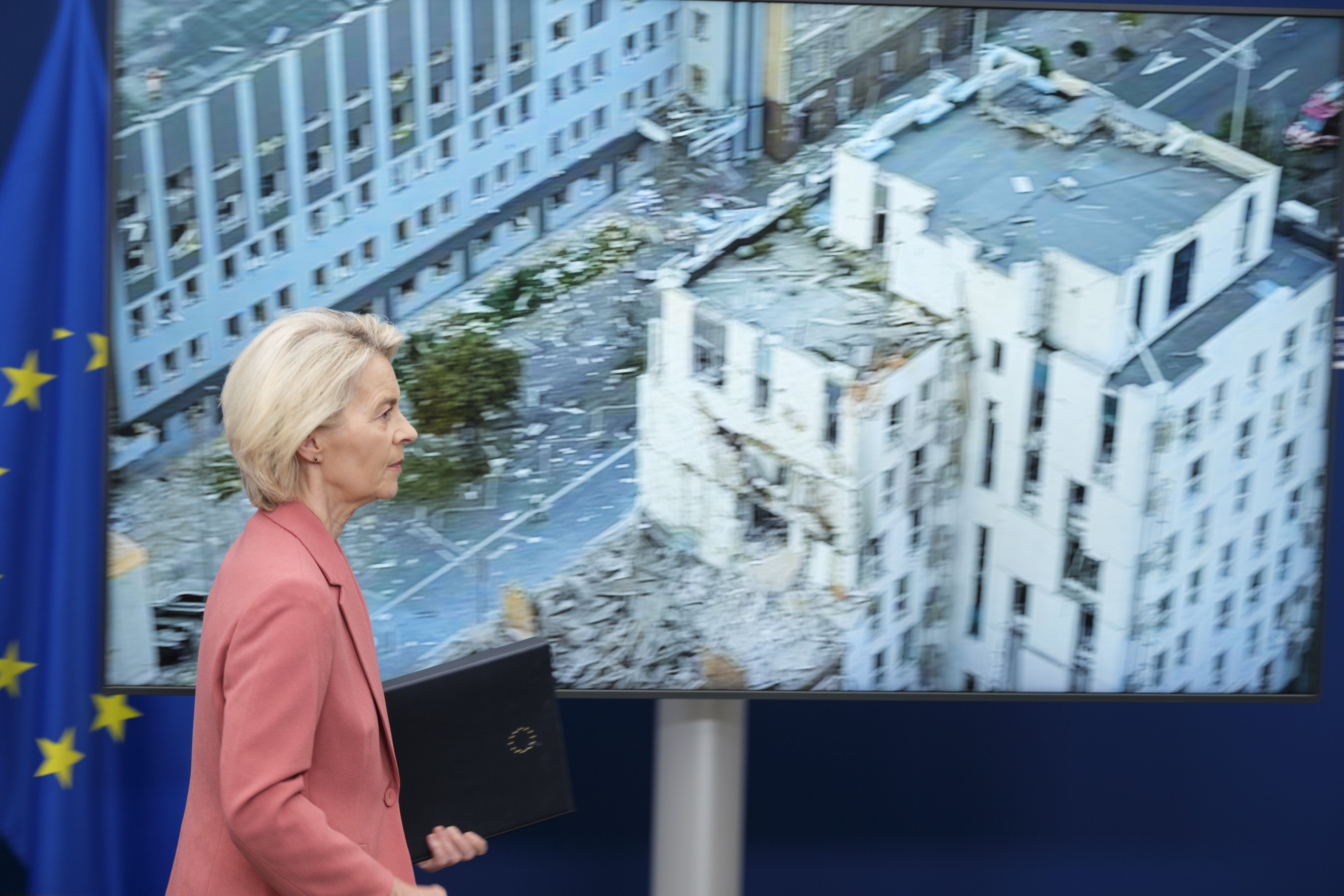
The European Commission is drafting a plan that could eventually ease the transfer of nearly €200 billion in frozen Russian assets to finance Ukraine’s reconstruction, Politico reported on August 29.
According to several officials, Brussels is testing the willingness of national governments to channel these assets into higher-risk investments that could generate greater returns for Ukraine while increasing pressure on Moscow. Supporters view the scheme as a step toward possible confiscation of Russian assets and their transfer to Kyiv as punishment for Russia’s refusal to pay postwar reparations.
“We are advancing the work on the Russian frozen assets to contribute to Ukraine’s defense and reconstruction,” Commission President Ursula von der Leyen said on Thursday, making her strongest statement yet on the issue, according to Politico.
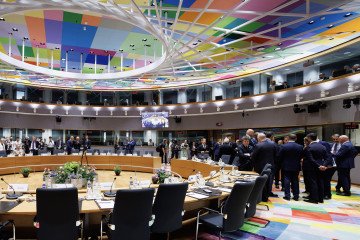
Crucially, the proposal does not involve immediate confiscation, which most EU countries oppose due to financial and legal risks. The debate is expected to peak on August 30, when the 27 EU foreign ministers will discuss the option for the first time at an informal meeting in Copenhagen. A preparatory note for the meeting states that ministers should consider “further options for the use of revenues stemming from Russian immobilized sovereign assets.”

The Baltic states and several others have long urged full confiscation, but the idea continues to face resistance from Western European governments, particularly Germany, Italy, and Belgium. Belgium is especially vulnerable given that Euroclear—where most Russian assets are held—is based there.
Commission lawyers are exploring the creation of a special-purpose fund supported by several EU members and possibly other states. Officials compare it to the European Stability Mechanism, a eurozone bailout fund set up outside formal EU treaties. Such a fund could also be opened to G7 countries, including the UK and Canada, giving Brussels more control over when and how assets are transferred to Ukraine, Politico reported.
Under current rules, any single member state can effectively return assets to Russia by vetoing the extension of sanctions, which must be renewed every six months. Hungary’s pro-Russia, pro-Trump government is seen as the most likely spoiler. Transferring assets into a new fund—potentially not requiring unanimity—would neutralize that threat.
The plan would also allow the money to be invested in higher-yield instruments rather than the ultra-low-risk rate currently required by Euroclear through Belgium’s central bank. Skeptics, including Euroclear CEO Valérie Urbain, warn that if such investments lose money, EU taxpayers could end up footing the bill. To spread that risk, Belgium wants other member states to share responsibility under the Commission’s scheme.
“Belgium is not alone here. We need to support and be taking part in mitigating that risk,” said Veski. “It’s not a question of letting Belgium deal with it [while] we watch from the sideline.”
Brussels insiders say Belgium has recently warmed to the plan, while countries further from Russia, such as Spain, are also voicing support.
Previously, it was reported that the Hungarian government has taken legal action against the European Union over the use of frozen Russian assets to finance military aid for Ukraine. Budapest filed a lawsuit with the EU Court of Justice, challenging the Council of the European Union and the European Peace Facility.
Discuss this article:


-c439b7bd9030ecf9d5a4287dc361ba31.jpg "Photo of Katherina Popilnichenko")