- Category
- Latest news
Jets for a Naval Base? Sudan Reopens Su-30/Su-35 Talks With Russia
 Prefer U24 Media on Google
- Authors




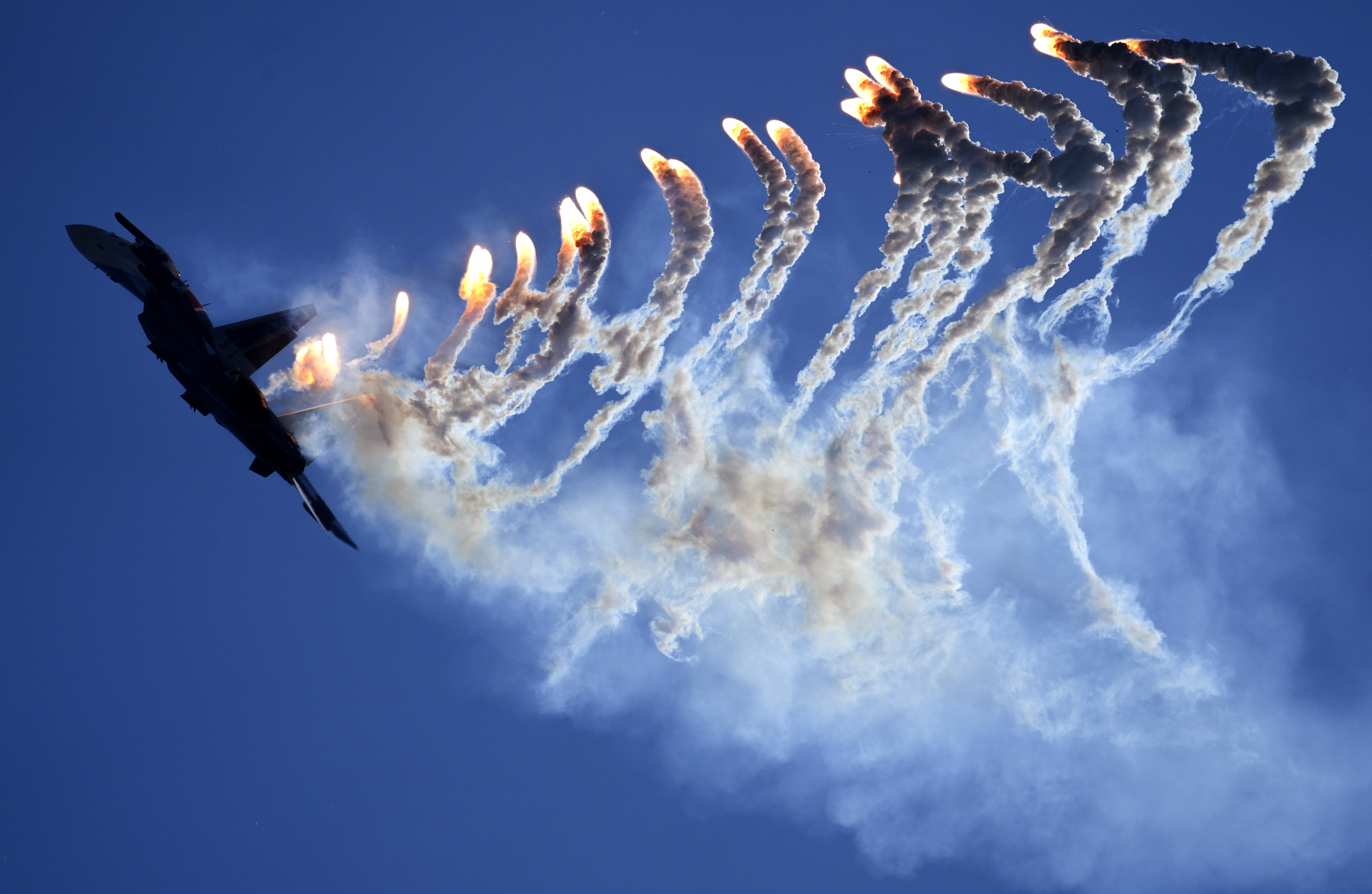
Sudan has reopened negotiations with Russia to acquire Su-30 or Su-35 fighter jets in an effort to blunt the Rapid Support Forces’ (RSF) advance and rebuild an air force devastated in the opening phase of the civil war, according to reporting by Army Recognition on November 28.
The talks are unfolding alongside Moscow’s renewed push to secure a long-desired naval foothold on the Red Sea, suggesting that any jet deal would be tightly linked to broader geopolitical concessions.
We bring you stories from the ground. Your support keeps our team in the field.
Citing Military Africa, the reports say the Sudanese Armed Forces (SAF) are attempting to replace key combat aircraft destroyed or captured during RSF raids, while regaining the long-range strike capability needed to target RSF supply lines and command hubs.
“Sudan wants the Su-30 or Su-35 fighters to regain a strike capacity against the Rapid Support Forces,” one analysis noted, adding that Russia could use the negotiations “to anchor a permanent naval foothold in the Red Sea.”
Su-30 pic.twitter.com/D5VF93cvq6
— tobimono2 (@tobimono2) November 28, 2025
Sudan’s air force remains severely depleted. In April 2023, RSF special units overran major bases such as Merowe, destroying or seizing multiple MiG-29s on the ground—some of the SAF’s most capable jets.
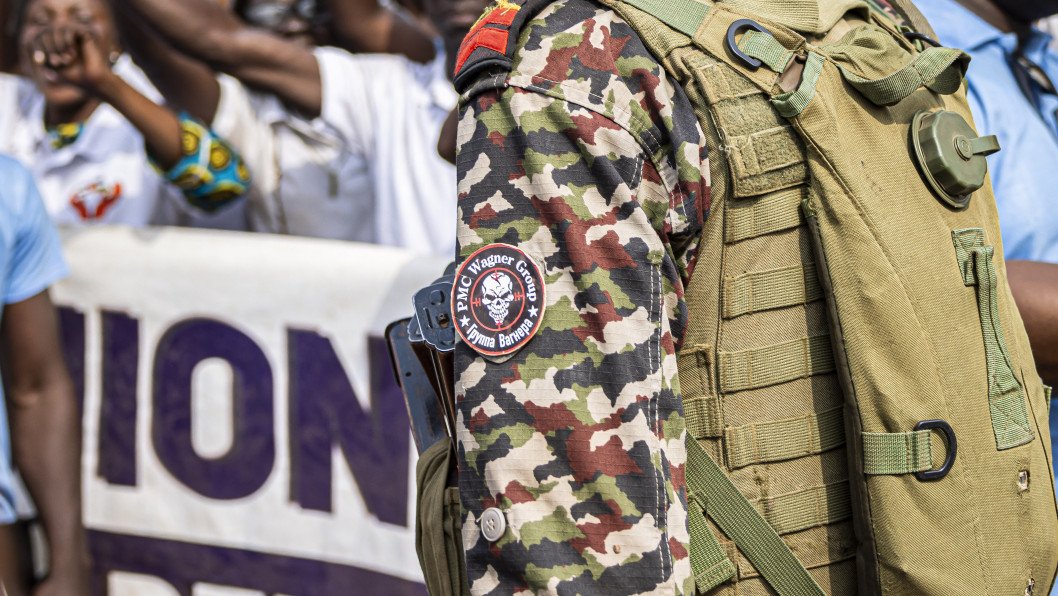
Since then, the SAF has relied on aging Su-25 attack aircraft, Su-24M bombers, and older Chinese-built platforms with questionable serviceability. Meanwhile, the RSF has improved its own defenses, making heavy use of MANPADS and reportedly fielding more advanced mobile systems supplied by Wagner-linked channels.
-1b537361b94a964e33effd85b93bf6d9.jpg)
In early August 2025, the balance shifted further when Chinese FK-2000 short-range air defense systems and FB-10A missiles were reportedly delivered to RSF units via Chad, complicating any attempt by Sudan’s air force to operate freely over Darfur and Kordofan.
Against this backdrop, SAF commanders have drafted what amounts to a “4+ generation” shopping list. The main contenders are Russia’s Su-30 and Su-35—both multirole fighters capable of long-range strikes, heavy payload delivery, and high-intensity air-to-air missions.
Analysts say either aircraft would give Sudan the ability to strike RSF infrastructure far from Port Sudan and restore some degree of air superiority.
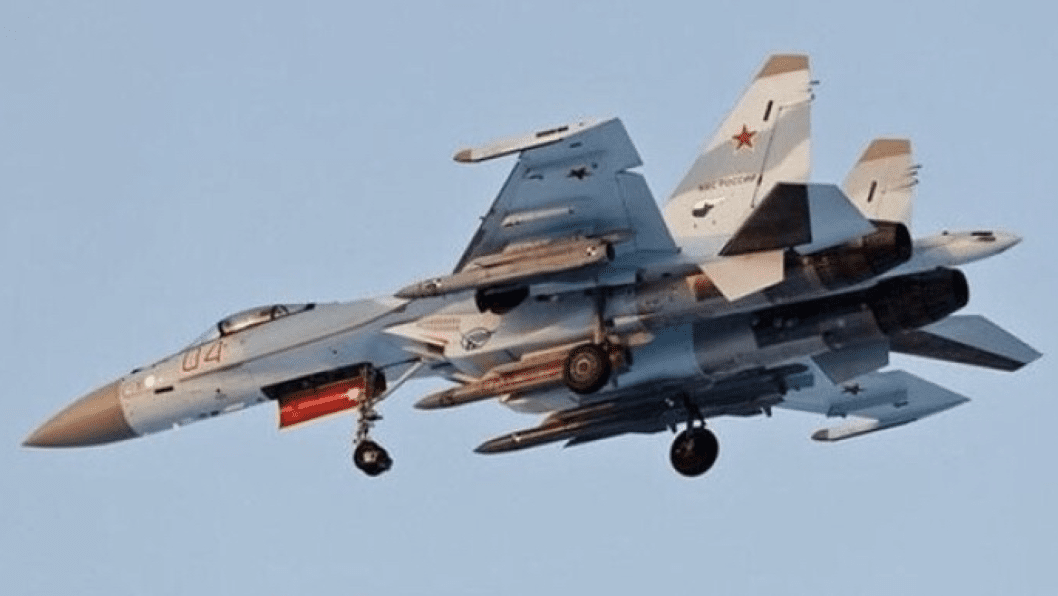
The Su-35 in particular has become Russia’s flagship 4.5-generation fighter, incorporating avionics and design elements derived from the Su-57 program. The Su-35S, Russia’s latest production variant, fields an Irbis-E radar reportedly able to detect airborne targets at up to about 400 km, thrust-vectoring engines for extreme maneuvering, and a weapons load of roughly 8,000 kg across 12 hardpoints.
More than 100 Su-35S aircraft are currently in Russian service, with combat experience in Syria and Ukraine, and previous export sales to China.
Sudan was once rumored to have purchased Su-35s in 2017, but no evidence ever emerged to confirm the aircraft had been delivered. Today, with the country’s economy in collapse and its annual defense budget estimated at roughly $500 million before the war, analysts believe Sudan cannot afford Su-30s or Su-35s through any traditional procurement method.
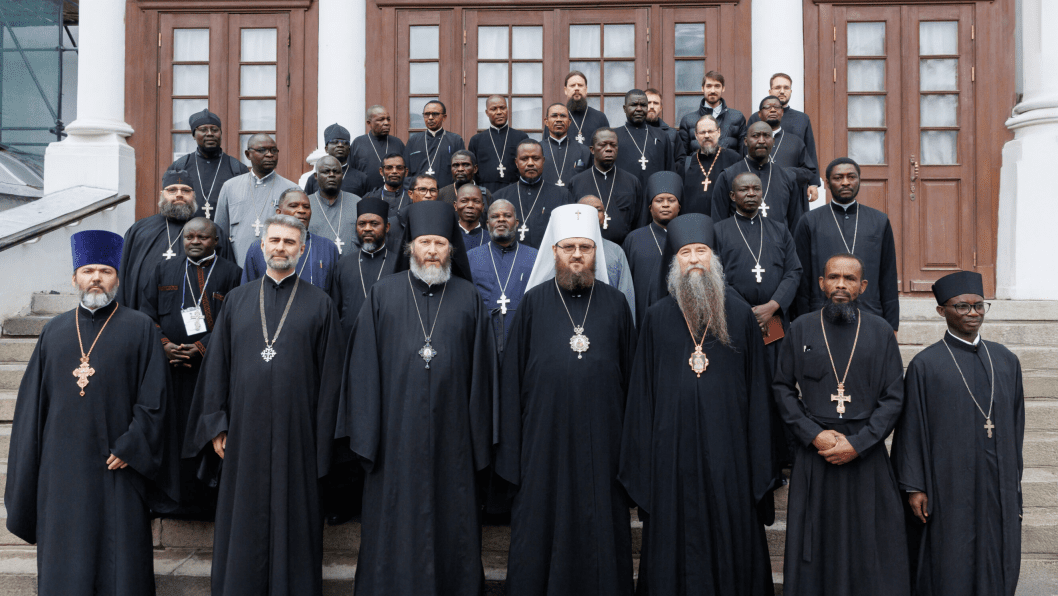
That makes geopolitical barter the most likely path.
Since 2020, Moscow has pushed for a logistics hub at Port Sudan—a dual-use naval facility that would extend Russia’s reach into the Red Sea and provide warm-water access for long-range deployments.
The deal stalled after Sudan’s 2021 coup and the eruption of civil war, but recent statements from top Sudanese officials—including Assistant Commander-in-Chief Yassir al-Atta—suggest the talks have been revived.
Sudan’s acting foreign minister, Ali Yusuf, has also confirmed that Russian military backing is now part of a “wider alliance” supporting the SAF, reinforcing widespread assessments that a jets-for-base arrangement is under consideration.
Earlier, Sudan’s Rapid Support Forces (RSF) claimed responsibility for shooting down a Sudanese Air Force Il-76 Candid transport plane near the western town of Babanusa.
According to Russian military-linked Telegram channels, the aircraft was operated by a Russian civilian crew working under contract.
Discuss this article: