- Category
- Latest news
Kazakhstan Drops Russian Companies From Power Plant Projects, Signs Deal With Singapore
 Prefer U24 Media on Google
- Authors


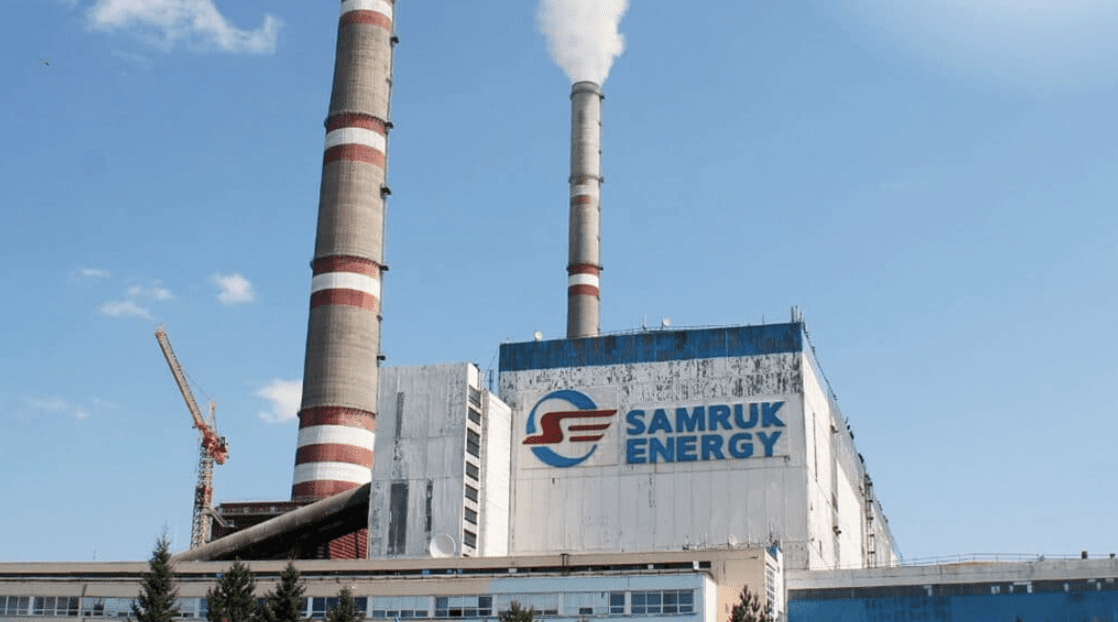
Kazakhstan has refused to cooperate with Russian companies in the construction of thermal power plants (CHPs) in the cities of Semey, Kokshetau, and Ust-Kamenogorsk, according to Kursiv on April 7. Instead, the projects will be implemented with the participation of Kazakh and Singaporean companies.
Chairman of the board of Samruk-Energo, Kairat Maksutov, said during a government meeting that the Kokshatau plant will be built domestically, while the facilities in Semey and Ust-Kamenogorsk will be constructed by a Kazakhstan-Singapore consortium. These projects had previously been planned in cooperation with Russia.
We bring you stories from the ground. Your support keeps our team in the field.
“On January 30, 2026, EPC contracts were signed with a Kazakhstan-Singapore consortium for the construction of CHPPs in the cities of Ust-Kamenogorsk and Semey,” Maksutov said.
He added preparatory work, including engineering, geological, and topographical surveys, will begin in April, alongside site development and infrastructure setup. In May, the contractor is expected to begin ordering key equipment, with deliveries of major components scheduled to start in the third quarter of 2027.
The Semey plant, with a capacity of 360 MW and 1,000 Gcal of thermal energy, is estimated at around $1.15 billion. A comparable facility in Ust-Kamenogorsk is projected to cost approximately $1.20 billion. Construction and installation for both projects are set to begin in April 2026, with equipment deliveries continuing through 2029 and commissioning planned for December that year.
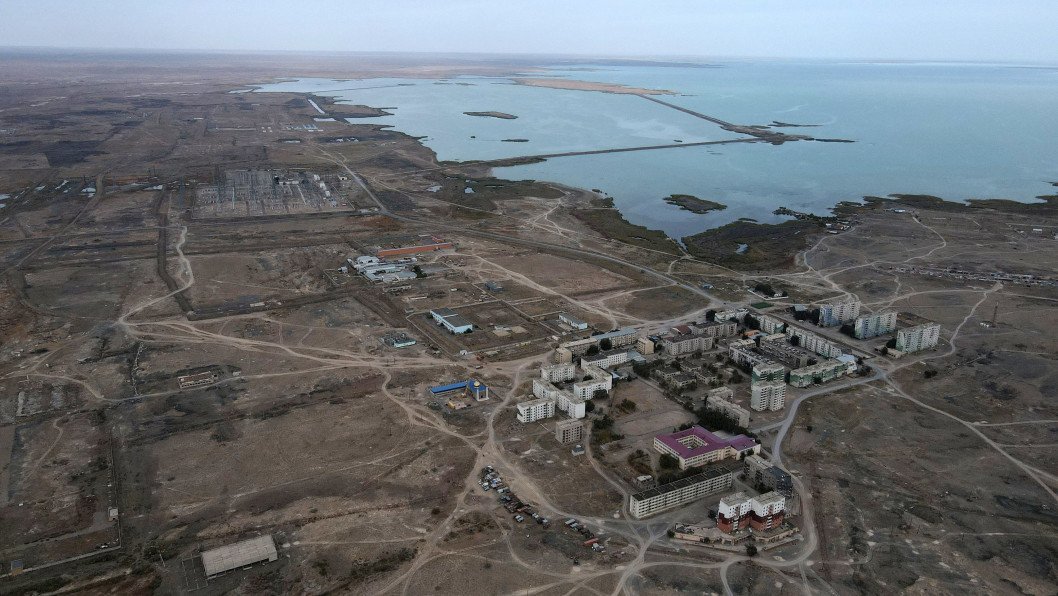
The Kokshatau plant will have a capacity of 240 MW and 820 Gcal of thermal energy, with a total cost of 355.6 billion tenge. Construction of the main structure is expected to start in June 2026, with the facility scheduled to become operational in February 2029. The plant will include three power boilers, two steam turbines, two turbogenerators, and two hot water boilers.
Maksutov also noted that all three facilities will be fitted with sensors connected to AI systems, which will analyze data in real time to identify faults and help prevent accidents.
The shift away from Russian involvement is also reflected in Kazakhstan’s equipment sourcing decisions for major energy projects. In a separate development, the country has abandoned plans to use Russian turbines at the Ekibastuz GRES-2 power station, opting instead for Chinese technology.
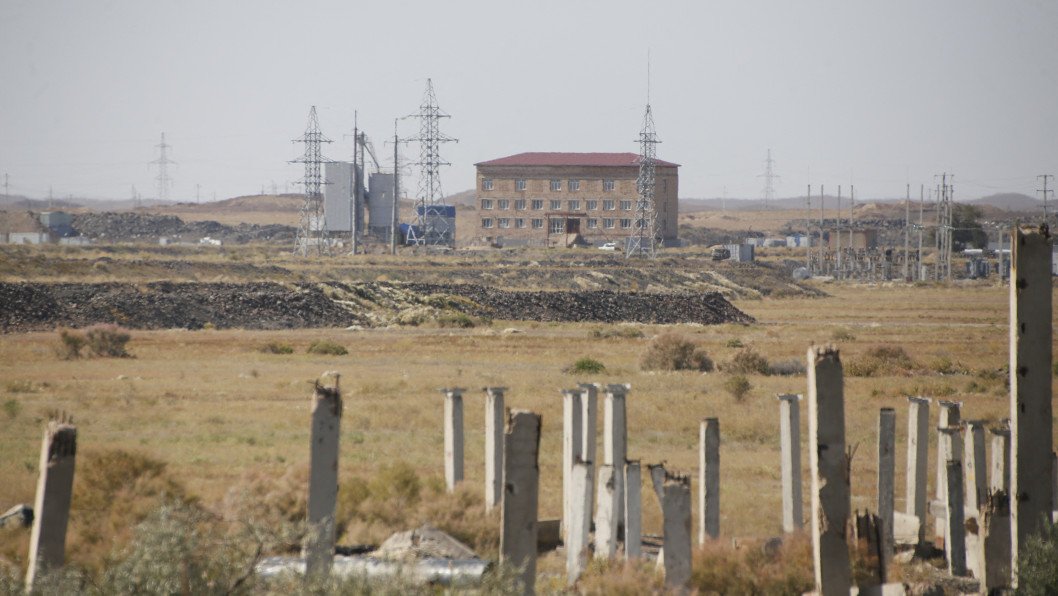
According to reports, Kazakhstan revised the design of the plant’s third power unit, replacing previously planned Russian turbines and generators. China’s Harbin Electric International has been selected as the new supplier.
The decision is expected to reduce overall project costs by more than $500 million. The original plan had relied on Russian contractors and a preferential loan from Russia, which ultimately failed to materialize.
The pivot away from Russian partnerships is also visible in Kazakhstan’s defense industrial policy. The country is advancing plans to build artillery ammunition factories that meet NATO standards, in a move aimed at reducing dependence on Soviet- and Russian-designed systems.
The project, valued at around $1 billion, represents a notable shift for Kazakhstan, which has historically lacked domestic production capacity not only for artillery shells and mines, but even for small-arms ammunition. The initiative has drawn criticism from Moscow, where officials have described the move as “unfriendly,” reflecting growing tensions over Kazakhstan’s efforts to diversify its industrial and defense partnerships.
Discuss this article:

-c439b7bd9030ecf9d5a4287dc361ba31.jpg "Photo of Katherina Popilnichenko")

-72b63a4e0c8c475ad81fe3eed3f63729.jpeg "Photo of Cyril Barabaltchouk")
-111f0e5095e02c02446ffed57bfb0ab1.jpeg "Photo of Roman Kohanets")