- Category
- Latest news
Kremlin Plans to Grant Free Land in Occupied Kherson to War Participants
 Prefer U24 Media on Google
- Authors

-c439b7bd9030ecf9d5a4287dc361ba31.jpg "Photo of Katherina Popilnichenko")
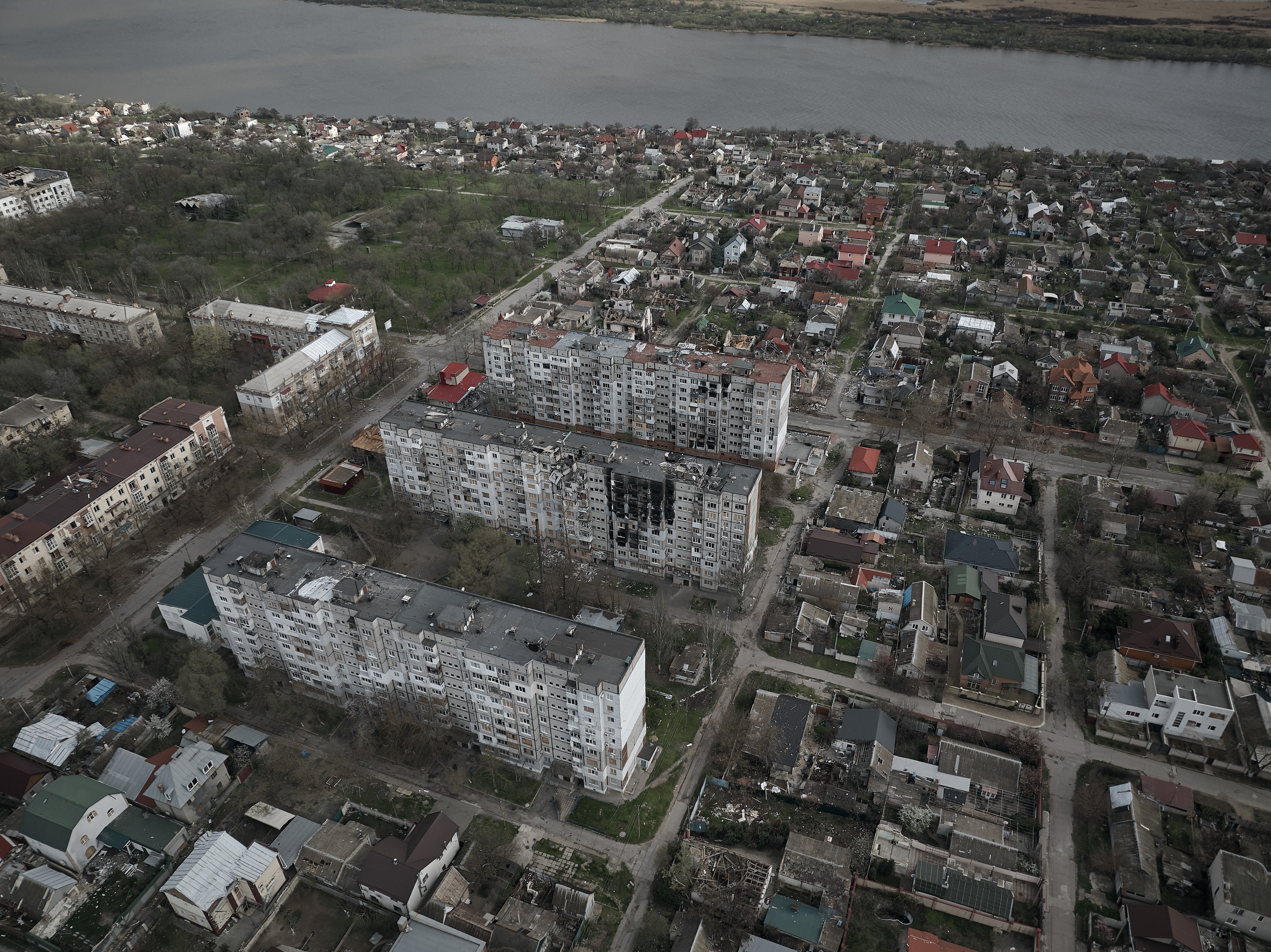
The Kremlin has developed a plan to provide free land in the temporarily occupied Kherson region to participants of Russia’s full-scale invasion of Ukraine.
The State Legal Directorate of the Presidential Administration drafted a bill that would allow military personnel and their families to receive state or municipal land plots in the occupied territory at no cost, according to Novaya Gazeta Europe on April 10.
We bring you stories from the ground. Your support keeps our team in the field.
The proposed right to land applies to soldiers, volunteers, and security officials who participated in combat operations, as well as the families of those killed. These plots are intended to be issued once, either as property or through a lease, depending on the applicant's status.
The land can be used for building homes, small-scale farming, or gardening. Priority for these plots will be given to those who were wounded or received awards. If an "SVO hero" dies, the right to the land passes to their family members.
To qualify for the land, individuals must have a registered address within the occupied Ukrainian region. The distribution will be managed through a waiting list system.
The explanatory note for the bill states that the initiative is meant to support the military during a "transitional period," though the document does not define what this term specifically means.
Public data regarding state and municipal property in the temporarily occupied Kherson region is currently unavailable. On the Russian cadastral map, this territory is still shown as part of Ukraine.
Thousands of "ownerless" plots have appeared in the region since the start of Russia’s full-scale invasion of Ukraine, consisting of land abandoned by Ukrainians who were forced to flee. These properties are already illegally being used to house teachers, doctors, and municipal workers.
On April 8, 2026, Russian forces deployed a new type of combined-effect mine in Kherson, which local authorities discovered disguised as objects wrapped in cloth.
Yaroslav Shanko, head of the Kherson City Military Administration, reported that these electronically controlled devices were being dropped over the city via drones to target both personnel and vehicles.
Experts noted that the mines featured 3D-printed casings and highly sensitive electrical initiation systems, making them extremely dangerous for civilians.
Discuss this article: