- Category
- Latest news
Latest Russian Corvette-Sized Warship Has One Job: Host a Single Helicopter
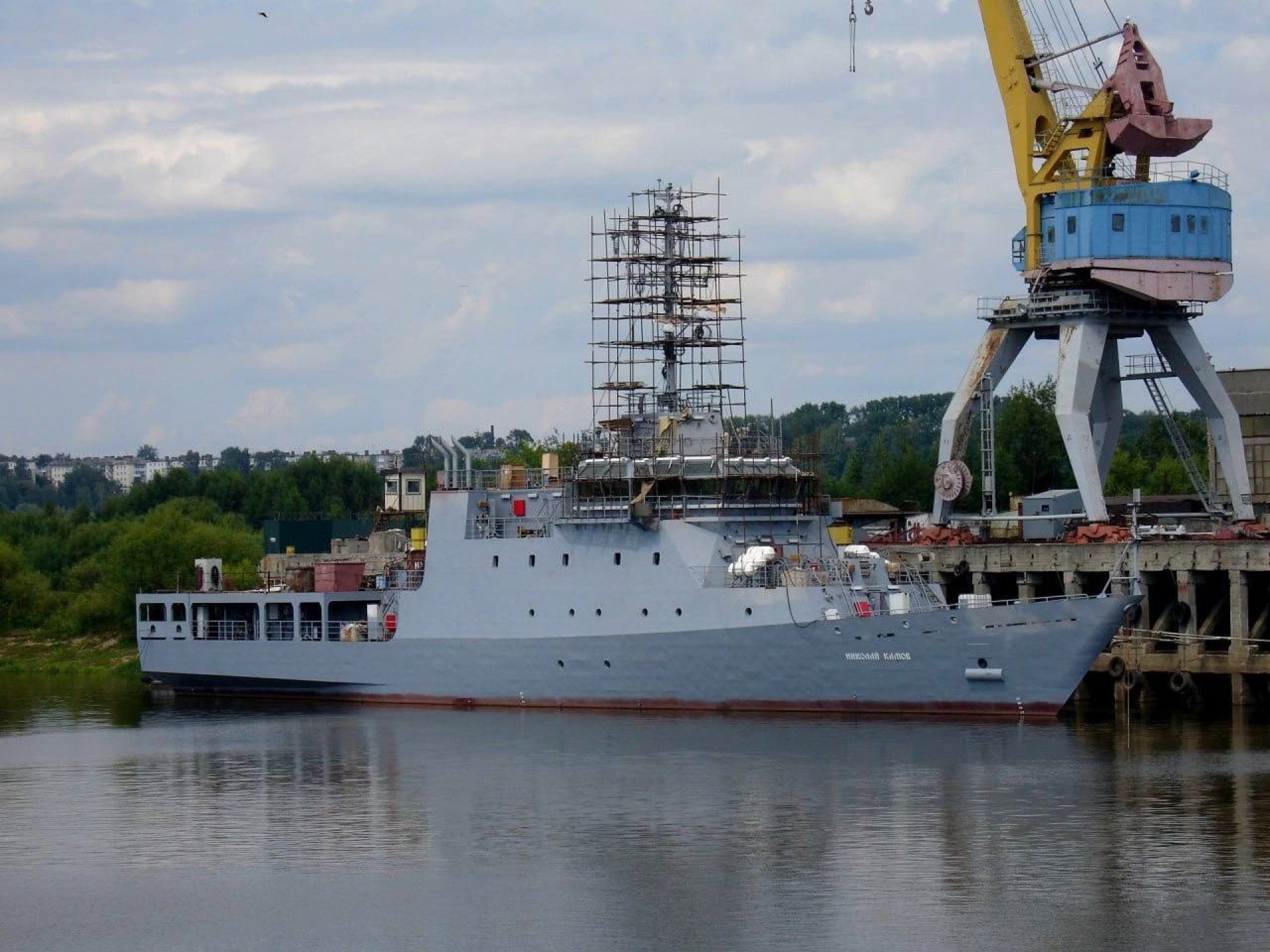
Russia’s newest naval vessel may look like a corvette, but it has no weapons and only one real purpose: to serve as a floating training pad for naval helicopters.
 Prefer U24 Media on Google
- Authors


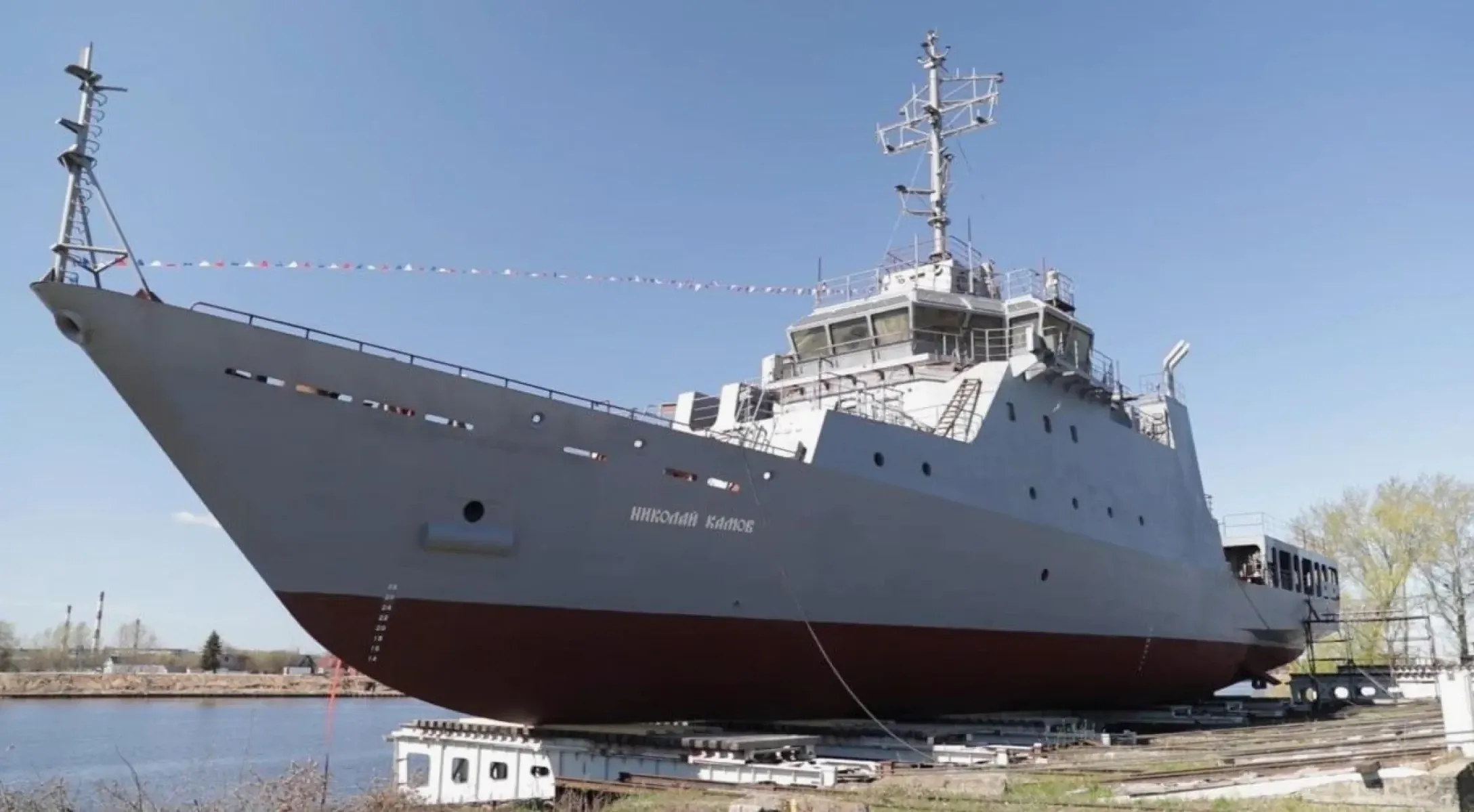
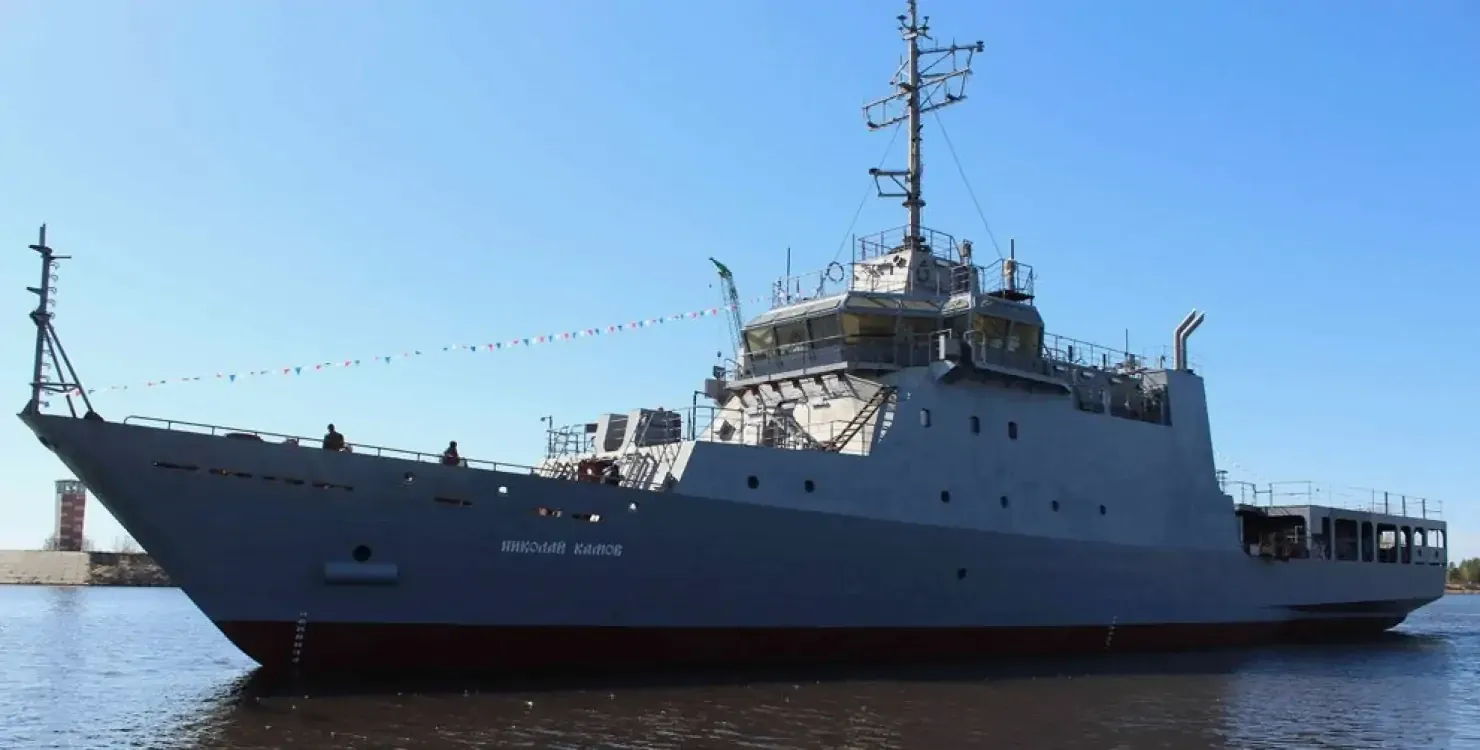
Russia has begun sea trials for the long-delayed Project 14400 training ship Nikolay Kamov, a corvette-sized vessel designed solely for naval helicopter operations. The ship, built without any onboard weaponry, can accommodate a single Ka-27, Ka-29, Ka-31, or Ka-52 helicopter on its flight deck—and little else, Ukrainian defense media outlet Defense Express reported on July 18.
Russian media reported the start of trials but provided few details beyond a single publicly released photo.
No weapons, just one helicopter pad
The unusual scale and limited utility of the Nikolay Kamov have raised eyebrows among naval observers. Measuring nearly 67 meters in length and displacing 842 tons, the vessel is the size of a small warship but serves only one purpose: acting as a floating landing pad for helicopter crews in training.
The Nikolay Kamov has had a troubled and protracted development timeline. Though its official keel-laying ceremony was held in June 2018, actual construction didn’t begin until October 2019, after Russia’s Ministry of Defense spent 18 months sorting out documentation issues.
A ship years in the making—but why?
The vessel was rolled out of the construction hall in October 2021, but it wasn’t launched into the water until April 2024. With sea trials starting in July 2025, the total build time from start to testing has stretched to nearly 4.5 years.
Its technical specifications are modest:
Length: 66.9 meters
Beam: 12.7 meters
Draft: 2.1 meters
Displacement: 842 tons
Top speed: 12 knots
Range: Up to 500 nautical miles
Endurance: 2 days
Helicopter compatibility: One Ka-27, Ka-29, Ka-31, or Ka-52
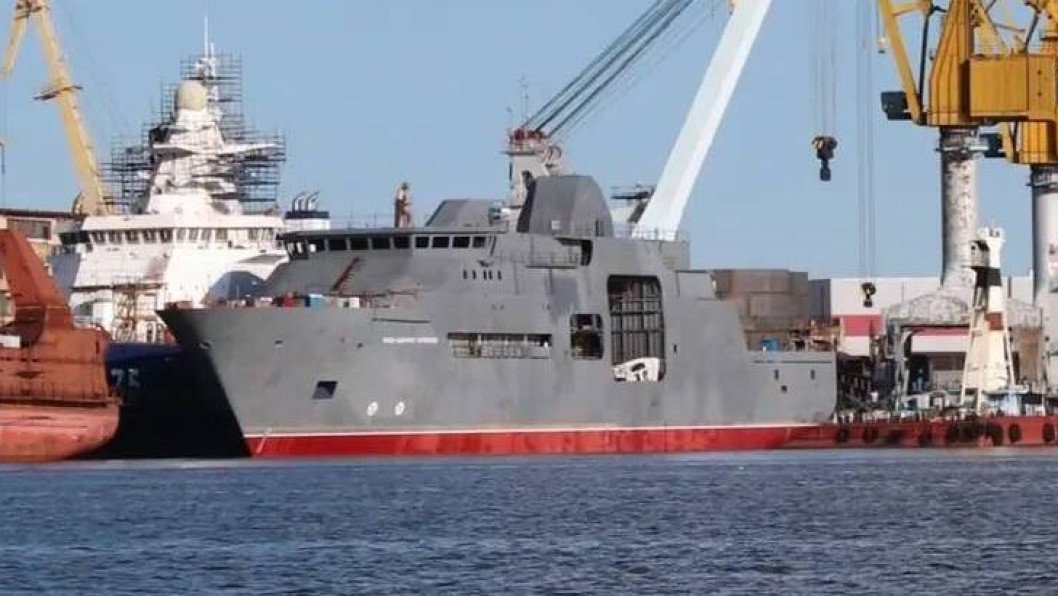
Originally scheduled for delivery to the Russian Navy by late 2024, the ship is expected to be based at the port of Yeysk on the Azov Sea, home to Russia’s 859th Naval Aviation Pilot Training Center.
Despite its limited mission profile and delayed timeline, the project was pursued to completion, raising questions about resource allocation and strategic priorities within Russia’s defense sector.
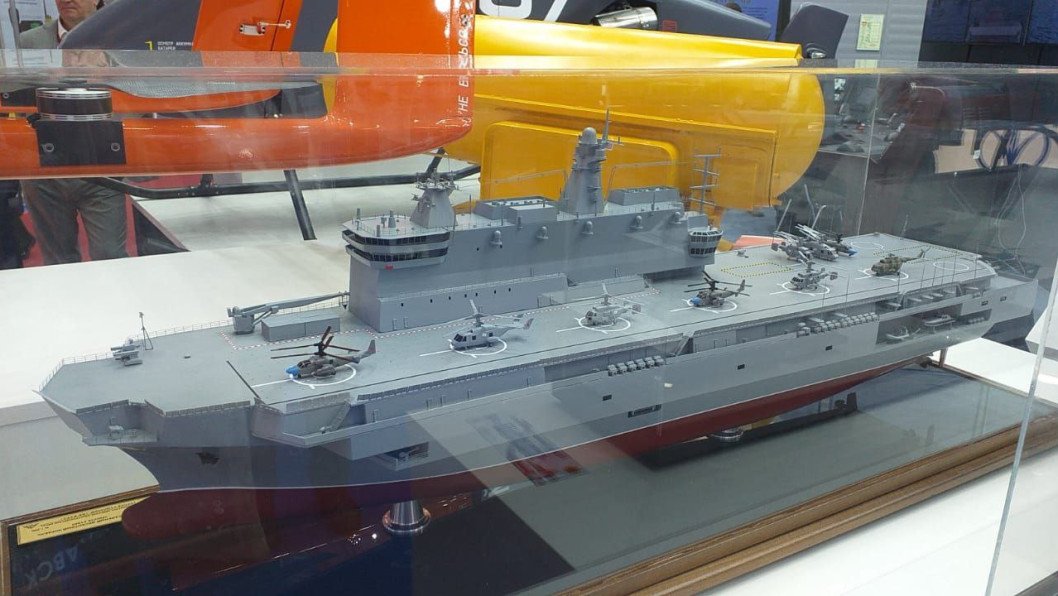
Observers note that even in a time of war and economic strain, the Kremlin appears committed to symbolic naval projects as part of a broader effort to project “great power” prestige. The Nikolay Kamov, effectively a glorified helipad at sea, may be more about appearances than operational necessity.
Earlier, reports emerged that the Russian Ministry of Defense was reportedly considering abandoning repairs of its sole aircraft carrier, the Admiral Kuznetsov, after years of delays, cost overruns, and repeated disasters.
Discuss this article:



-72b63a4e0c8c475ad81fe3eed3f63729.jpeg "Photo of Cyril Barabaltchouk")
-e88c01988249cd60b6f04f79d29156b7.jpeg "Damage to “Cosmogony,” the largest painting in Ukraine, following a Russian drone attack on Lutsk on October 13, 2026. (Source: @sashyyna/Instagram)")

-dd35be762f08867915b1187d08f5b7cb.jpg "Aftermath of a Ukrainian Neptune missile strike on a Russian Borisoglebsk airfield, October 15, 2026.")