- Category
- Latest news
M777s Stay in the Fight—US Approves $200M Lifeline for Ukraine’s Heavy Guns
 Prefer U24 Media on Google
- Authors


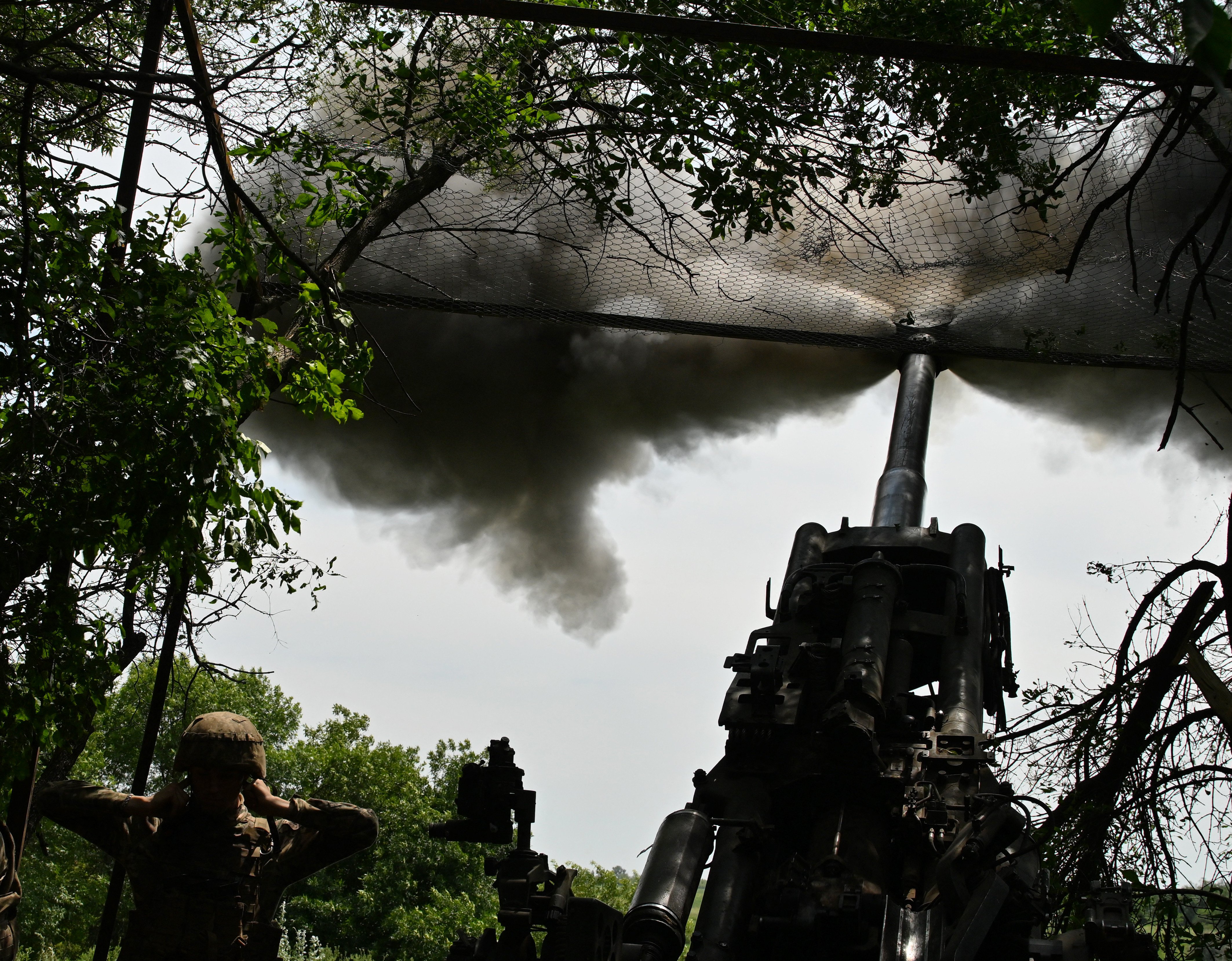
The US Department of State has approved two major arms deals with Ukraine, totaling over $200 million, to provide repair, logistics, and long-term support for M777 howitzers in active service with the Ukrainian Armed Forces, according to a statement released by the Defense Security Cooperation Agency (DSCA) on August 5.
The State Department authorized the potential sale of equipment, maintenance services, and technical support packages related to Ukraine’s fleet of 155mm M777 artillery systems.
The first approved deal is worth approximately $104 million and includes services to keep the howitzers in combat-ready condition—such as barrel replacements, carriage repairs, and continued operational support. The package also covers related equipment, technical assistance, training, and logistical support components.
A separate $99.5 million contract was cleared for transportation, consolidation services, and associated equipment deliveries to further sustain the operational capability of Ukraine’s artillery forces.
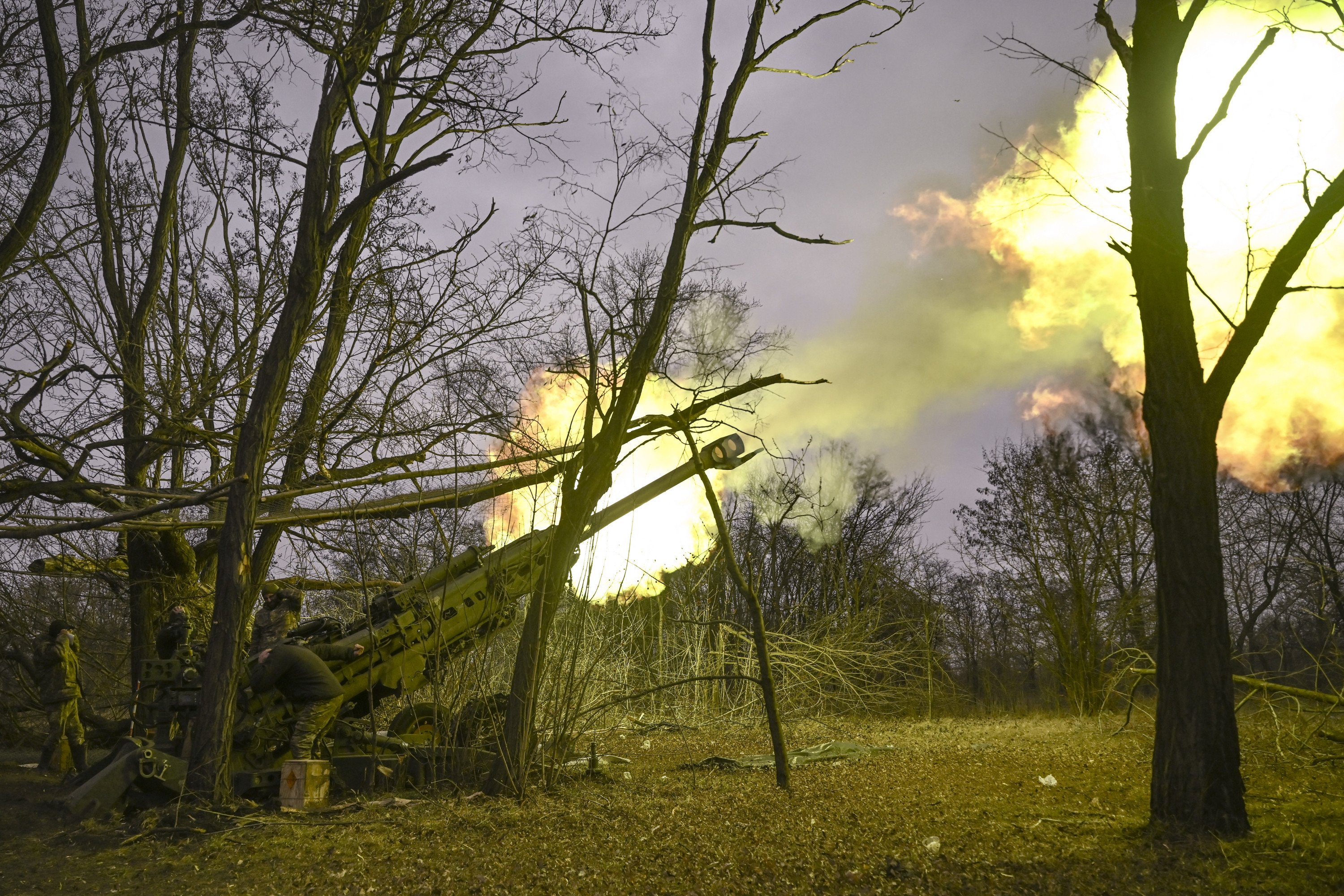
The DSCA has notified Congress of both approvals, which were facilitated under the Foreign Military Sales (FMS) program.
The M777, a lightweight towed howitzer, has played a critical role on the battlefield since Russia’s full-scale invasion of Ukraine. Initially developed by BAE Systems, the weapon system saw limited production in recent years due to a lack of global demand.
However, interest has surged following the Russian invasion of Ukraine. BAE Systems recently reopened a manufacturing facility in the United Kingdom to resume production of select components for the M777 platform.
According to company representatives, several countries—particularly in Europe and Asia—have expressed renewed interest in acquiring the artillery system. Canada and Australia, which donated portions of their own M777 stocks to Ukraine, are also part of this growing coalition.
Earlier, Ukraine’s defense industry unveiled a sweeping array of artillery shell casings—spanning nearly all major calibers in both NATO and Soviet standards—offering a rare glimpse into the country’s evolving domestic arms manufacturing capabilities.
Discuss this article:




-111f0e5095e02c02446ffed57bfb0ab1.jpeg "Photo of Roman Kohanets")


-72b63a4e0c8c475ad81fe3eed3f63729.jpeg "Photo of Cyril Barabaltchouk")