- Category
- Latest news
Meet the Beaver: The German Bridge Tank Powering Ukraine’s Armored Advances
 Prefer U24 Media on Google
- Authors


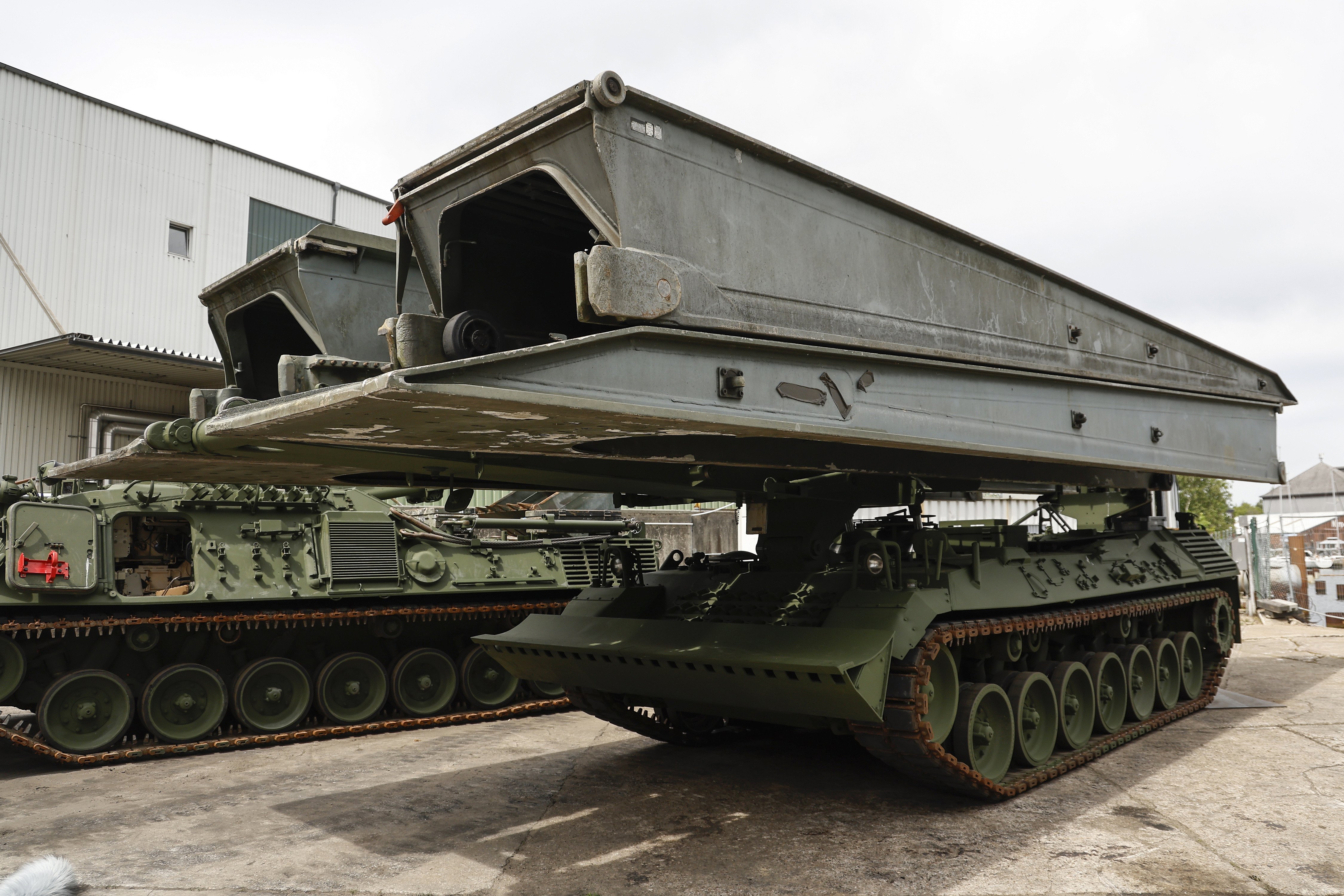
Ukraine is training combat engineers to operate the German-made Biber bridge-layer, a Leopard 1–based vehicle designed to help armored units cross rivers, ditches, and obstacles in minutes. Instructors say mastering the “Beaver” requires precision and discipline but is achievable within weeks thanks to intensive, hands-on training, according to Ukrainian outlet ArmyiaInform on November 12.
The Biber was supplied to Ukraine as part of Germany’s military aid in 2022. Its mission is to keep advancing units mobile by creating crossings up to 20 meters wide. The bridge itself measures 22 meters and can bear loads of up to 60 tons, allowing main battle tanks and heavy vehicles to pass.
The bridge layer "Biber" based on the Leopard 1 tank is already in Ukraine. Germany is transferring these machines, which are crucial for counteroffensive operations. #UkraineWarNews #Swift #Bander #Belarus #Bakhmut pic.twitter.com/LefzrqVtwc
— Dr. Khaled Alfaiomi (@Alfaiomi) July 15, 2023
“This bridge-layer is designed to overcome obstacles like anti-tank ditches, rivers, and streams up to 20 meters wide,” said instructor Oleksandr. “It can quickly create a crossing, move forward with the main force, then recover the bridge and be ready to lay another.”
One of the Biber’s main advantages is stealth. Unlike many similar systems, it lays the bridge horizontally rather than lifting it vertically, reducing its visibility to enemy observers and drones. Oleksandr noted that crews must pay close attention to ground conditions when deploying the bridge, as soft or loose soil can affect stability and span.
#234dayofwar
— @BlogUkraine (@BlogUkraine) October 15, 2022
⚡#Germany hands over 16 BIBER bridge-layer tanks⚡
* - Video to demonstrate how it works.#UkraineWar #StandWithUkraine #UkraineRussiaWar #Ukraine️ #StopRussiaNOW #RussiaIsATerroristState #russiaisaterrorisstate pic.twitter.com/ebI86xaPbq
The current training course for Ukrainian crews lasts 26 days and includes both theory and extensive field practice. It was extended from the original two-week schedule to allow more repetition and reduce errors.
“Our goal is to give soldiers as much hands-on experience as possible,” Oleksandr explained. “If even one step in the deployment algorithm is skipped, the structure can break, and that could mean mission failure.”
Under training standards, crews must deploy the bridge in about four minutes and recover it in roughly five and a half.
Recently, military engineers from one of the tank units in the brigade conducted training exercises with the Biber bridge layer. 😍 #Ukraine #UkraineRussiaWar #ukrainecounteroffensive #Ukrainians #UkraineWarNews pic.twitter.com/oZXeY6xG0I
— Dr. Khaled Alfaiomi (@Alfaiomi) September 22, 2023
“Speed means safety,” Oleksandr added. “Especially in modern warfare, where drones are everywhere, the faster the crew can finish and move, the better their survival chances.”
Soldiers describe the Biber as easy to drive but demanding to operate. A mechanic-driver with the call sign “Orel” said the vehicle’s automatic transmission and steering make it simple to maneuver, but bridge deployment requires precision and coordination.
“The bridge part is the hardest,” he said. “You have to follow every step in order, or you risk breaking the mechanism. But the current training period is enough, especially if someone already has technical experience. The instructors explain everything clearly.”
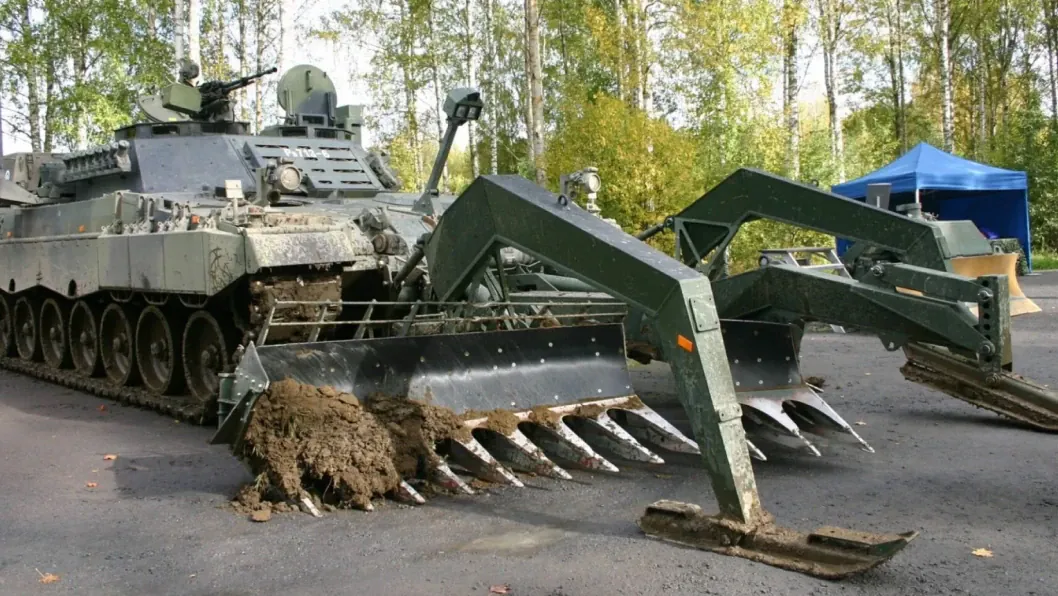
Training runs continuously, with new groups arriving as soon as the previous ones finish. Mobile instructor teams also visit front-line units for on-site courses lasting two weeks, focused exclusively on practical work.
“The smaller the group, the better the training,” said Oleksandr. “People learn differently, and hands-on repetition builds confidence.”
The Biber, based on the Leopard 1A chassis, provides Ukrainian engineers with a reliable and flexible solution for overcoming battlefield obstacles.
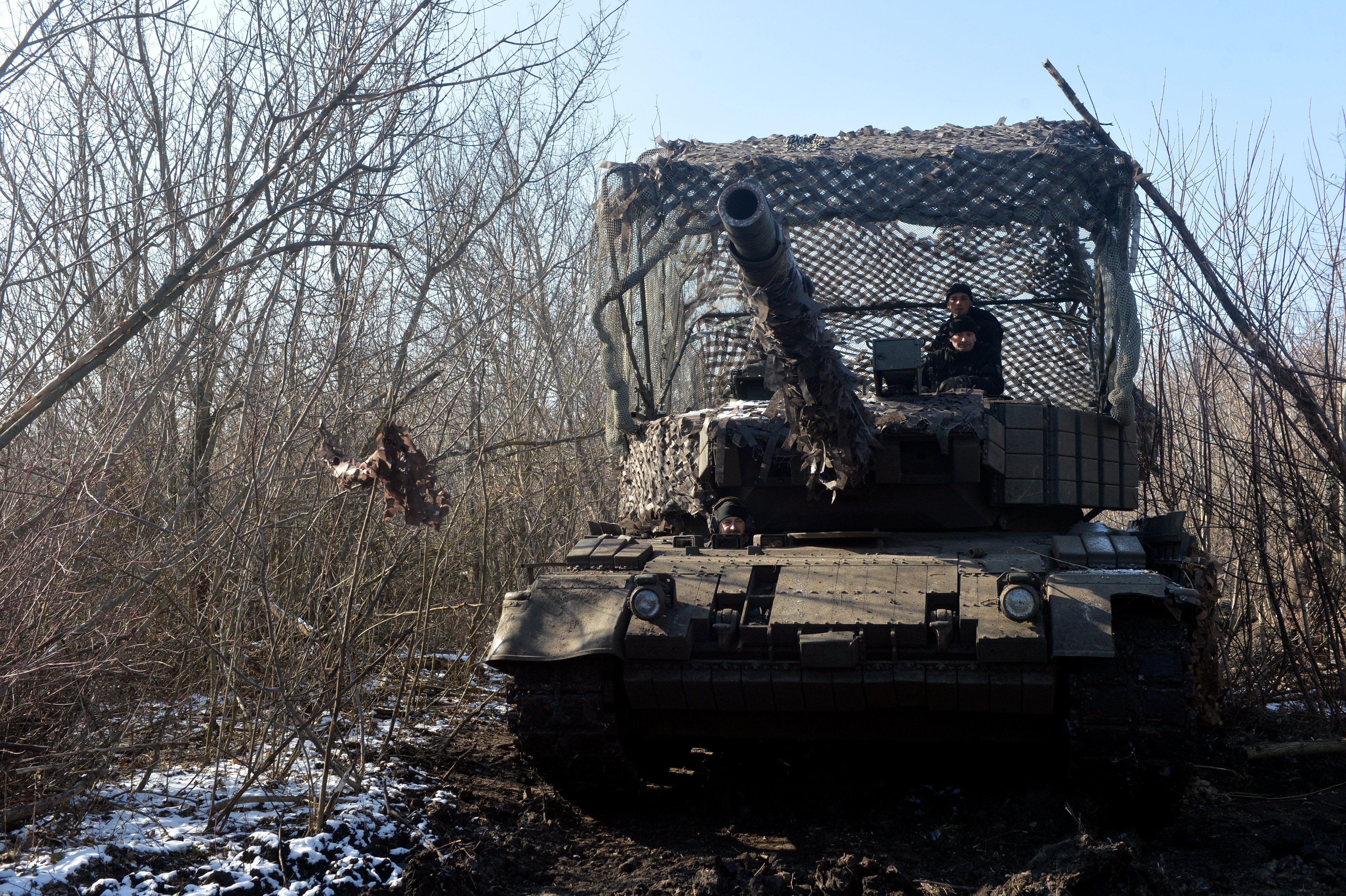
Its quick-deploying bridge is essential for maintaining momentum during offensives, enabling tanks and infantry fighting vehicles to move rapidly across rivers or craters created by artillery. Although the Biber lacks heavy armor and must rely on speed and camouflage, it plays a vital role in restoring maneuverability for advancing forces.
In today’s drone-dominated battlefield, speed, coordination, and training are what make this German “Beaver” so valuable. Each crew that learns to deploy its bridge in four minutes or less adds another layer of mobility to Ukraine’s modern mechanized army.
Earlier, Germany’s Rheinmetall stated that Ukraine will receive Skyranger 35 short-range air-defense systems mounted on Leopard 1 chassis, with the purchase to be financed by an EU member state using frozen Russian assets.
Discuss this article:


-c439b7bd9030ecf9d5a4287dc361ba31.jpg "Photo of Katherina Popilnichenko")