- Category
- Latest news
Putin Kills US-Russia Plutonium Deal, Ending Key Cold War-Era Disarmament Pact
 Prefer U24 Media on Google
- Authors


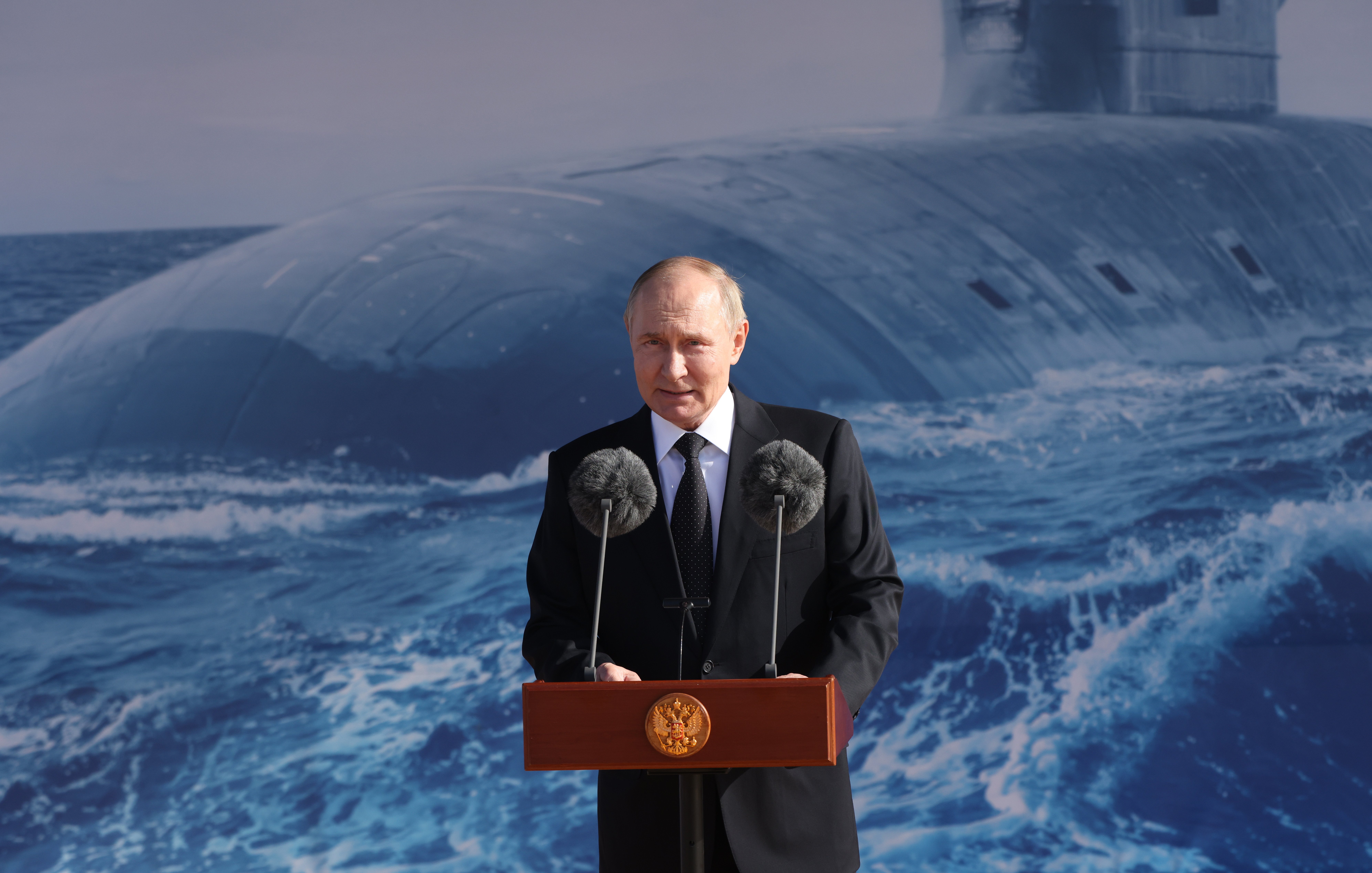
Russian leader Vladimir Putin has signed a law formally ending the 2000 agreement with the United States to dispose of excess weapons-grade plutonium, according to the Russian government’s information portal on October 27.
The agreement, which both countries ratified in 2011, required the disposal of 34 metric tons of plutonium each—material considered no longer necessary for military use.
The planned disposal process was scheduled to begin in 2018 but was interrupted in 2016 by a presidential decree from Moscow.
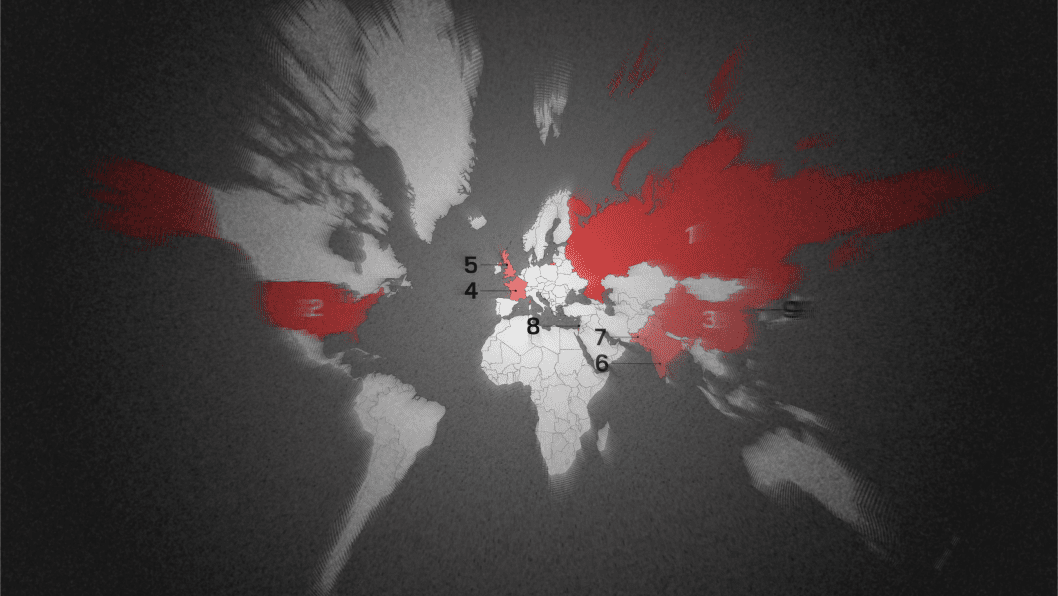
Russia originally suspended the deal citing “a threat to strategic stability” due to what it described as unfriendly actions by the US, including economic sanctions and NATO expansion.
Moscow also accused Washington of failing to meet its obligations under the agreement, particularly regarding the method of plutonium disposal.
In July 2025, the Russian government submitted a bill to fully exit the pact. The State Duma passed it on October 8, followed by the Federation Council’s approval on October 22. The new law also terminates all associated protocols and agreements linked to the 2000 framework.
Under the original agreement, the excess plutonium was to be rendered unusable for weapons purposes by incorporating it into mixed oxide (MOX) fuel for nuclear power plants.
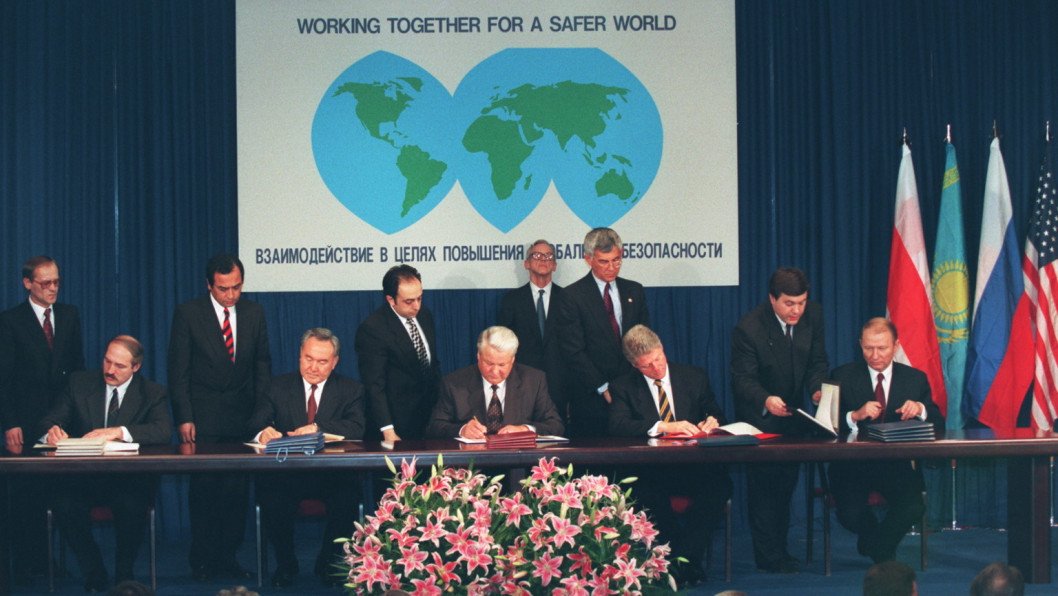
However, US later shifted its approach, opting to immobilize and bury the material—a move that Russia considered a breach of the deal.
Russia argued that this alternative method would allow the US to recover the material in the future, thereby undermining the agreement’s disarmament goals.
When the agreement was suspended in 2016, Russia issued a list of conditions for its reinstatement. These included the lifting of all US sanctions imposed at that time, compensation for economic damage caused by those sanctions, and a rollback of US military infrastructure and personnel in NATO countries that joined the alliance after September 2000.
Earlier, on August 4, Russia officially ended its self-imposed moratorium on deploying ground-based intermediate- and shorter-range missiles, citing US missile deployments in Europe and the Pacific.
Discuss this article:




-111f0e5095e02c02446ffed57bfb0ab1.jpeg "Photo of Roman Kohanets")

-72b63a4e0c8c475ad81fe3eed3f63729.jpeg "Photo of Cyril Barabaltchouk")