- Category
- Latest news
Russia Ends Missile Moratorium, Blaming US Deployments in Europe and Pacific
 Prefer U24 Media on Google
- Authors

-111f0e5095e02c02446ffed57bfb0ab1.jpeg "Photo of Roman Kohanets")
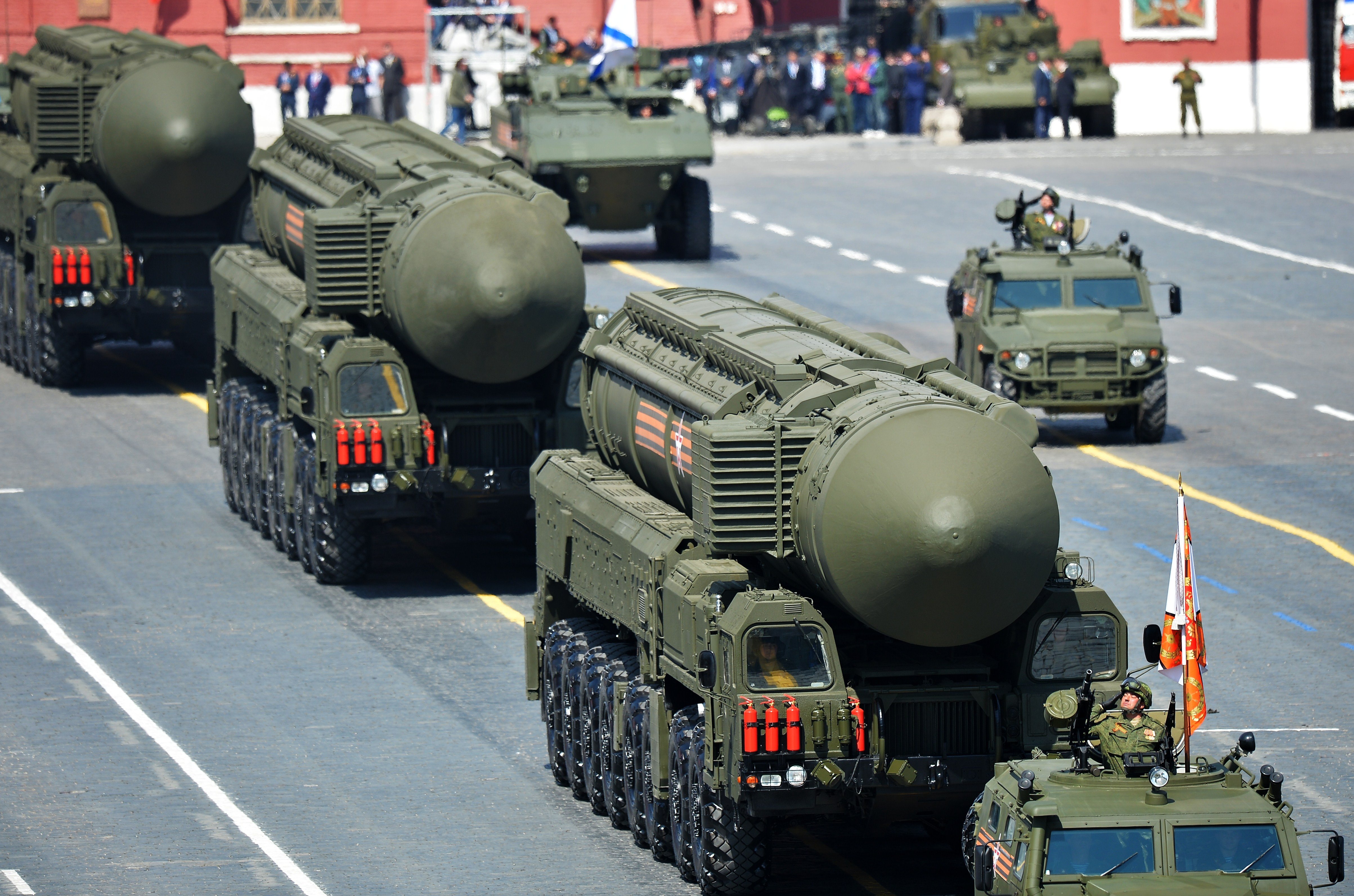
Russia no longer considers itself bound by its unilateral moratorium on the deployment of ground-based intermediate- and shorter-range missiles, the Russian Ministry of Foreign Affairs announced on August 4.
The statement, released on the ministry’s official website, declared: “Taking into account the US actions to deploy relevant missile systems in the Asia-Pacific region and Europe, the moratorium is no longer relevant. Russia now considers itself free from any self-imposed obligations.”
The ministry emphasized that Moscow had maintained the moratorium for nearly five years after the collapse of the Intermediate-Range Nuclear Forces (INF) Treaty in 2019.
The ministry cited US plans to station such missile systems in allied countries, including in the Asia-Pacific and European theaters. “We have to regard this as a direct threat to our national security,” the statement read.

The Russian MFA also accused Washington of “ignoring Russian proposals” aimed at “mutual restraint” and confidence-building measures. In particular, the Kremlin had repeatedly advocated for reciprocal verification mechanisms and legal guarantees of non-deployment.
Russian officials previously maintained that Russia would not deploy such systems unless the US did so first. However, the new declaration reverses that position. The ministry stressed that Russia is “ready to take all necessary steps to ensure national defense and strategic stability.”
In 2024, the US Army began fielding ground-launched Tomahawk and SM-6 systems in the Pacific as part of the Typhon system, raising alarm in Moscow. NATO allies have also signaled interest in hosting such assets under new force posture arrangements.
The INF Treaty, signed in 1987 by the US and the Soviet Union, banned all land-based missiles with ranges between 500 and 5,500 kilometers. After Washington withdrew from the treaty in August 2019, citing repeated Russian violations, Moscow announced a voluntary moratorium on deployments—conditional on NATO’s reciprocal restraint.
Meanwhile, Russia threatened to treat US deployments—such as long‑range missile systems in Germany starting around 2026—as a casus belli for cancelling its voluntary ban, declaring its moratorium void in response to such US force posture changes.
Discuss this article: