- Category
- Latest news
Putin’s Diva Netrebko Still Sings on Europe’s Grand Stages—and Taxpayers Are Paying for It
 Prefer U24 Media on Google
- Authors


-111f0e5095e02c02446ffed57bfb0ab1.jpeg "Photo of Roman Kohanets")

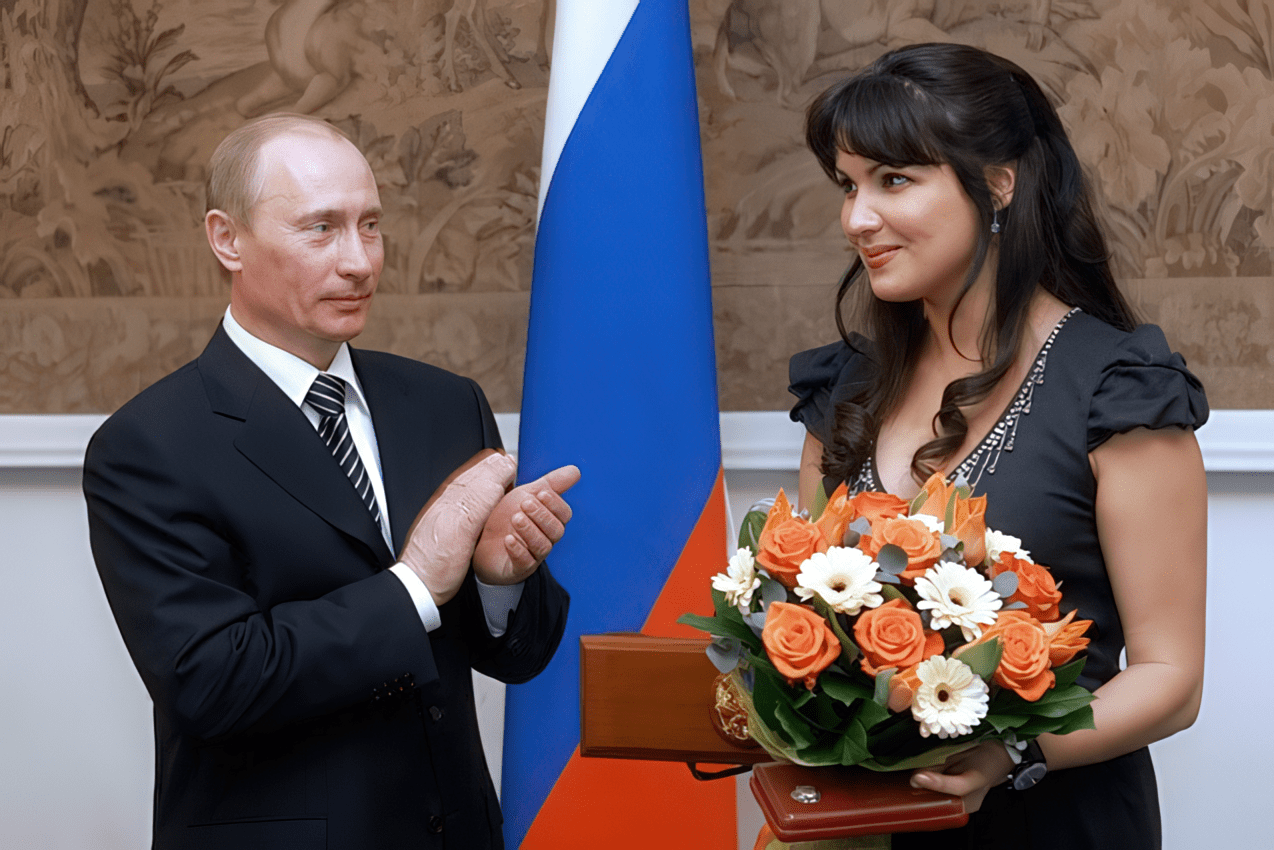
Russian soprano Anna Netrebko continues to perform at leading European venues despite sustained protests by Ukrainian diplomats, activists, and cultural institutions.
They describe her as part of Russia’s soft power network and accuse Western opera houses of normalizing Kremlin influence during the ongoing war in Ukraine, according to the Guardian on October 30.
Activist campaigns have led to cancellations in some countries, but major houses in the United Kingdom, Germany, Switzerland, and elsewhere continue to schedule her in principal roles.
Netrebko performed Puccini’s “Tosca” at London’s Royal Opera House in September. Demonstrators gathered outside the theatre carrying Ukrainian flags and candles and accusing the Royal Opera House of platforming “Putin’s diva.”
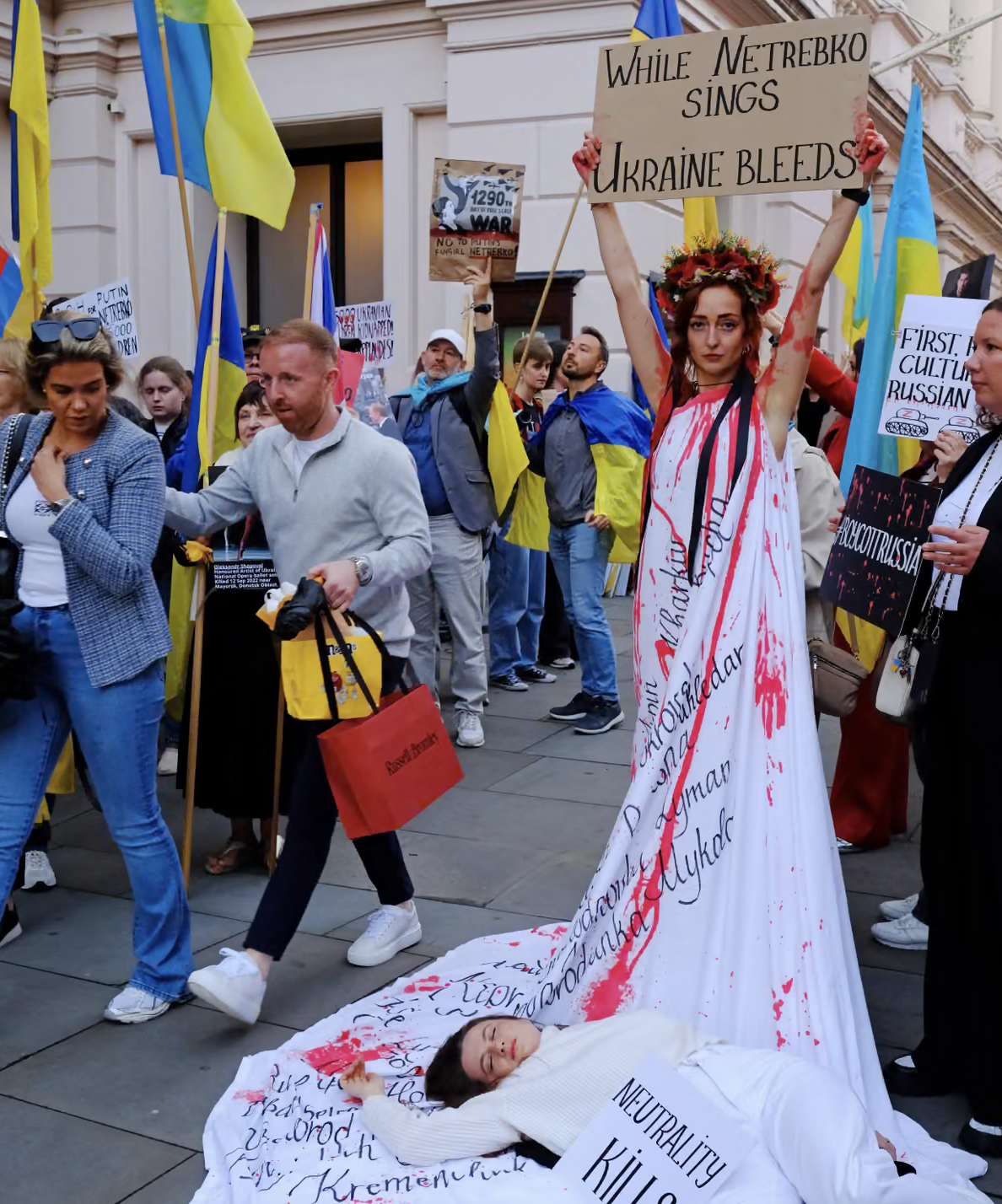
They called for her removal from the season program and argued that her presence on stage “drowns out the real cries—the cries from destroyed maternity hospitals in Mariupol, schools in Kharkiv, kindergartens in Kramatorsk.” according to a statement by Ukraine’s Ambassador to the United Kingdom, Valerii Zaluzhnyi.
The Royal Opera House declined to cancel her performances. Management has stated that artistic standards, not politics, drive casting decisions, and pointed to Netrebko’s public statements opposing Russia’s full-scale invasion of Ukraine.
In a 2022 interview with Die Zeit, Netrebko said that she could not publicly criticize Putin in 2022 because “he was still the President of Russia and I was still a Russian citizen.” She said her task was “fighting against any Russophobia,” and insisted, “I remain a Russian.”
-399ee3fa85e57b8d66631d90055b1aa7.png)
Critics of the Royal Opera House’s decision to host Anna Netrebko have emphasized that the institution receives public funding, arguing that British taxpayers are effectively subsidizing performances by an artist long associated with the Kremlin’s cultural agenda.
Activists noted that the Royal Opera House is supported by the UK government through Arts Council England, and called the decision “a moral failure paid for by taxpayers.”
Ukraine’s supporters said that continuing to feature Netrebko sends “a dangerous message that art can excuse complicity,” urging authorities to review public financing for venues that engage performers linked to Russian state propaganda.
Despite these protests, Netrebko remains in leading casts in Europe:
London scheduled her as Tosca in September 2025 and announced her for “Turandot” in December, with a solo recital set for June 2026.
Opera houses in Germany and Switzerland have also kept her engagements. The Zurich Opera House confirmed in late October that she will appear there despite an appeal from Ukraine’s ambassador urging the management to reconsider.
In Berlin, state opera leadership cited her 2022 Die Zeit interview and stated in 2023 that she had provided “a very comprehensive stand,” and therefore they would not sever ties.

Ukrainian cultural institutions continue to press for a Europe-wide cultural embargo on Russian artists seen as close to the Kremlin. They argue that appearances by figures such as Netrebko normalize Russia’s image while the war continues, including ongoing strikes against Ukrainian cities and cultural infrastructure.
Earlier, it was reported that Anna Netrebko’s “long history of her clear association with the Kremlin” was analysed, noting her endorsement of Vladimir Putin, visibility at Kremlin-events and in Russian-occupied Donetsk, and the moral weight posed by opera houses hosting her.
Discuss this article:
-4a56a6b482ec132402c16ef6fcabf9a2.png)


-c439b7bd9030ecf9d5a4287dc361ba31.jpg "Photo of Katherina Popilnichenko")


