- Category
- Latest news
Russia Builds Chatbot System to Push Youth Toward Politics and “Traditional Values”
 Prefer U24 Media on Google
- Authors

-111f0e5095e02c02446ffed57bfb0ab1.jpeg "Photo of Roman Kohanets")
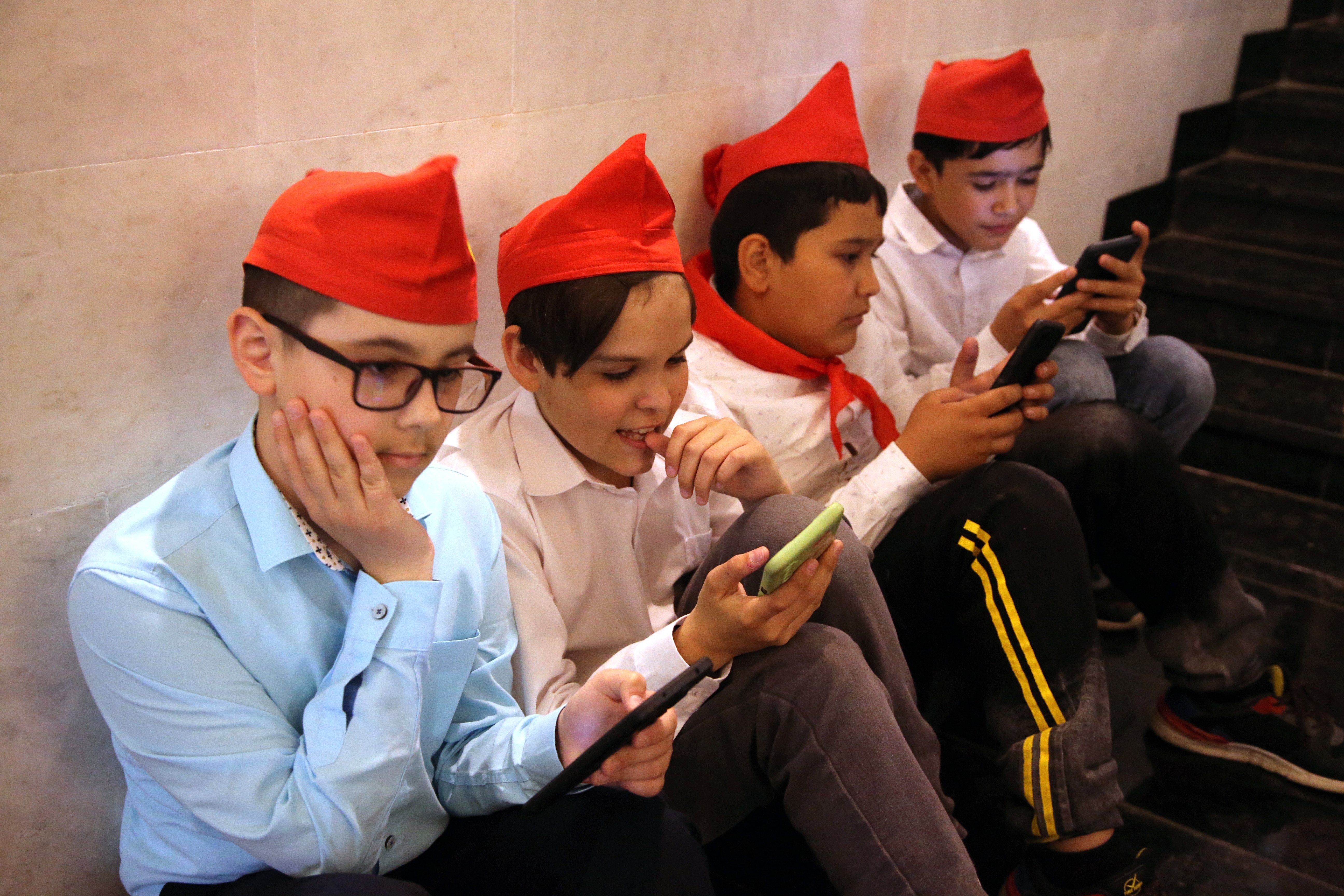
Russia’s federal youth agency Rosmolodezh will spend roughly $1.3 million on a chatbot and digital support system designed to track youth trends, process messages across state-linked channels, and promote political engagement and “traditional spiritual and moral values,” Vedomosti reported on May 12.
We bring you stories from the ground. Your support keeps our team in the field.
The system will combine several communication channels, including email, the agency’s VKontakte page, a hotline, and the Max messenger. It is expected to process incoming requests, provide automated responses, and route more complex cases to human operators.
According to the technical documentation, the contractor will be required to collect and analyze thematic trends, behavioral patterns, and recurring concerns among young users. The system is also intended to offer “personalized support” in what officials describe as difficult “life situations.”
The platform is intended for participants and graduates of Rosmolodezh programs, including those involved in Russia’s national youth project. Deputy Prime Minister Dmitry Chernyshenko has said the project reaches 52 million people.
The documentation says the system should help draw young people into political and civic activity while promoting “traditional Russian spiritual and moral values,” one of the Kremlin’s core ideological themes in education and youth policy.
Analysts cited by Vedomosti questioned whether the project offers anything substantially new, noting that its stated functions resemble those of existing chatbots and support systems already used by government agencies and commercial platforms.
TelecomDaily chief executive Denis Kuskov said the platform could still help Rosmolodezh gather user feedback and detect recurring issues across its programs, but noted that its effectiveness would depend on whether young people actually use it.
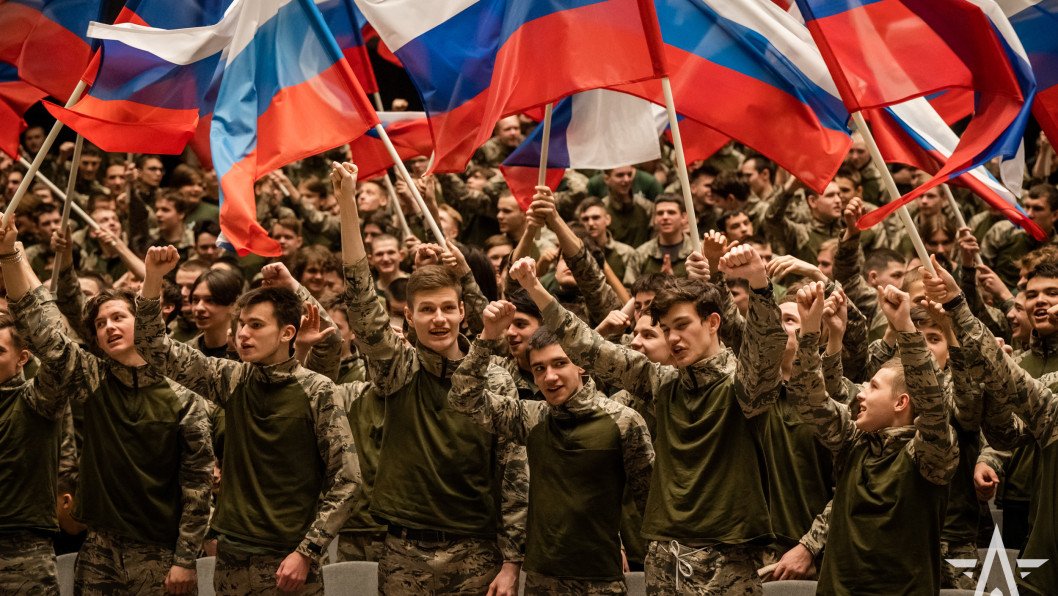
The chatbot project fits into a broader state effort to monitor youth attitudes and shape political behavior through schools, universities, online platforms, and state-backed youth organizations.

Russian authorities have increasingly focused on identifying so-called “destructive content,” monitoring political sentiment among young people, and embedding patriotic education into classrooms and extracurricular activities.
Since the full-scale invasion of Ukraine, Moscow has rolled out patriotic education programs, mandatory ideological lessons, and reporting mechanisms encouraging students and teachers to flag criticism of the war or government policies.
Officials have framed the push as a preventive measure against extremism and foreign influence, while rights advocates warn it deepens surveillance and pressure against dissent.
Discuss this article:


-c439b7bd9030ecf9d5a4287dc361ba31.jpg "Photo of Katherina Popilnichenko")