- Category
- Latest news
Russia Develops Sea-Based Shahed Launcher—A New Threat Ahead?
 Prefer U24 Media on Google
- Authors


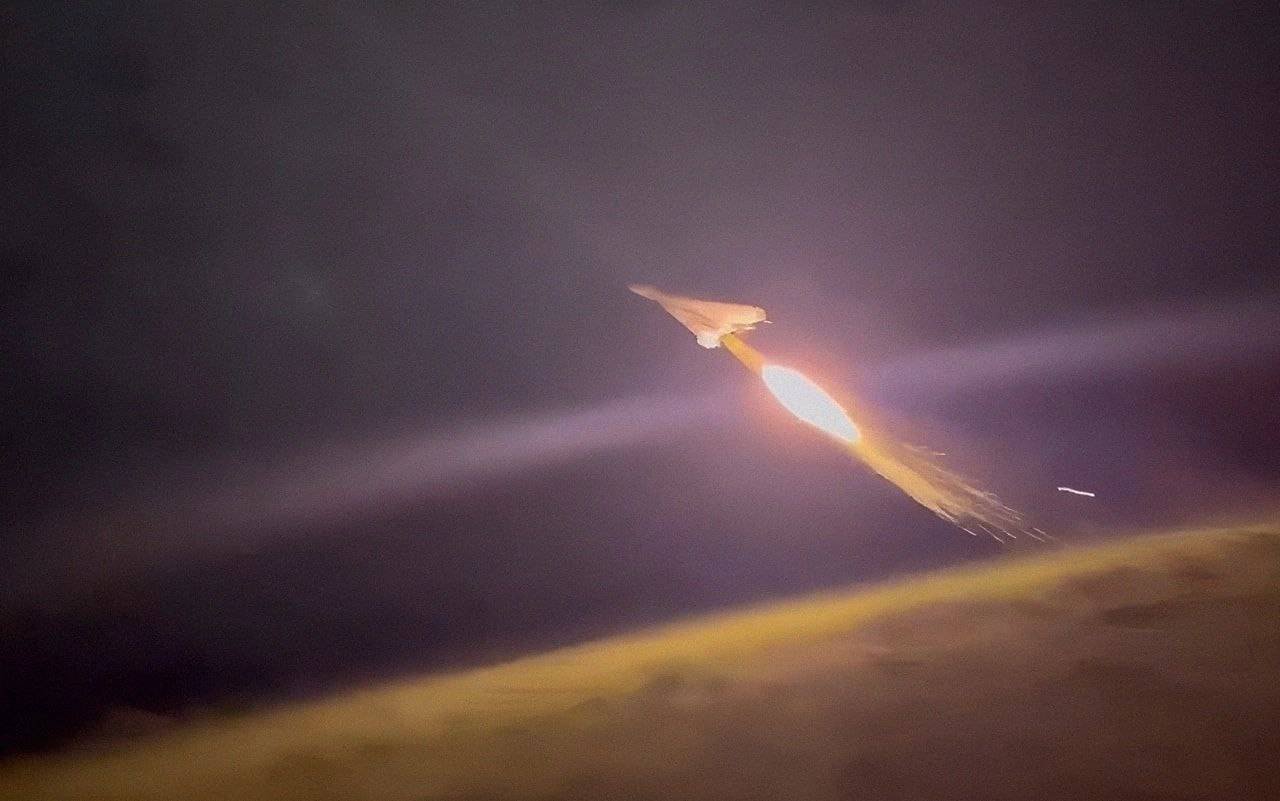
Russia is developing an unmanned maritime platform designed to launch Shahed-type drones directly from the sea, according to Defense Express on November 18.
The concept, presented by the Far Eastern Branch of the Russian Academy of Sciences, suggests an effort to create a mobile launch point for long-range loitering munitions. However, analysts note that the practical benefits for operations against Ukraine or Europe appear limited.
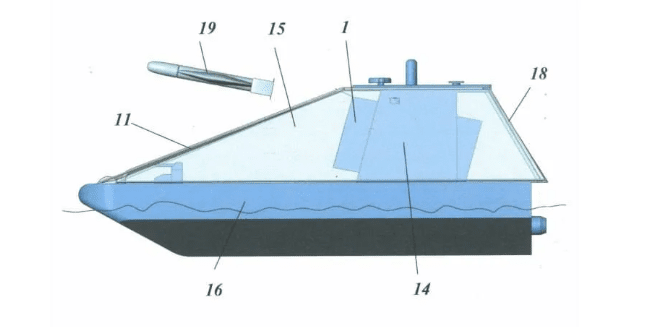
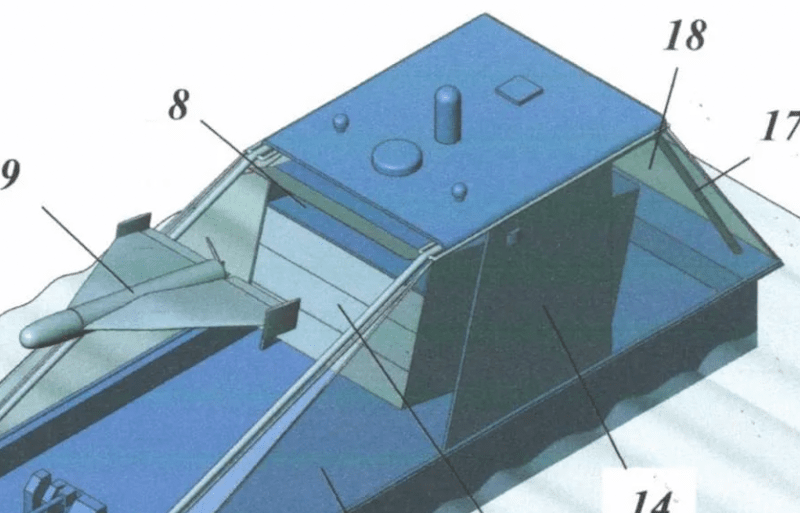
The available imagery, as reported by Defense Express, shows a surface drone equipped with a frame-mounted roof housing antennas, navigation systems, and cameras. Beneath this structure sits a box-shaped launcher for four drones resembling the Iranian-designed Shahed.
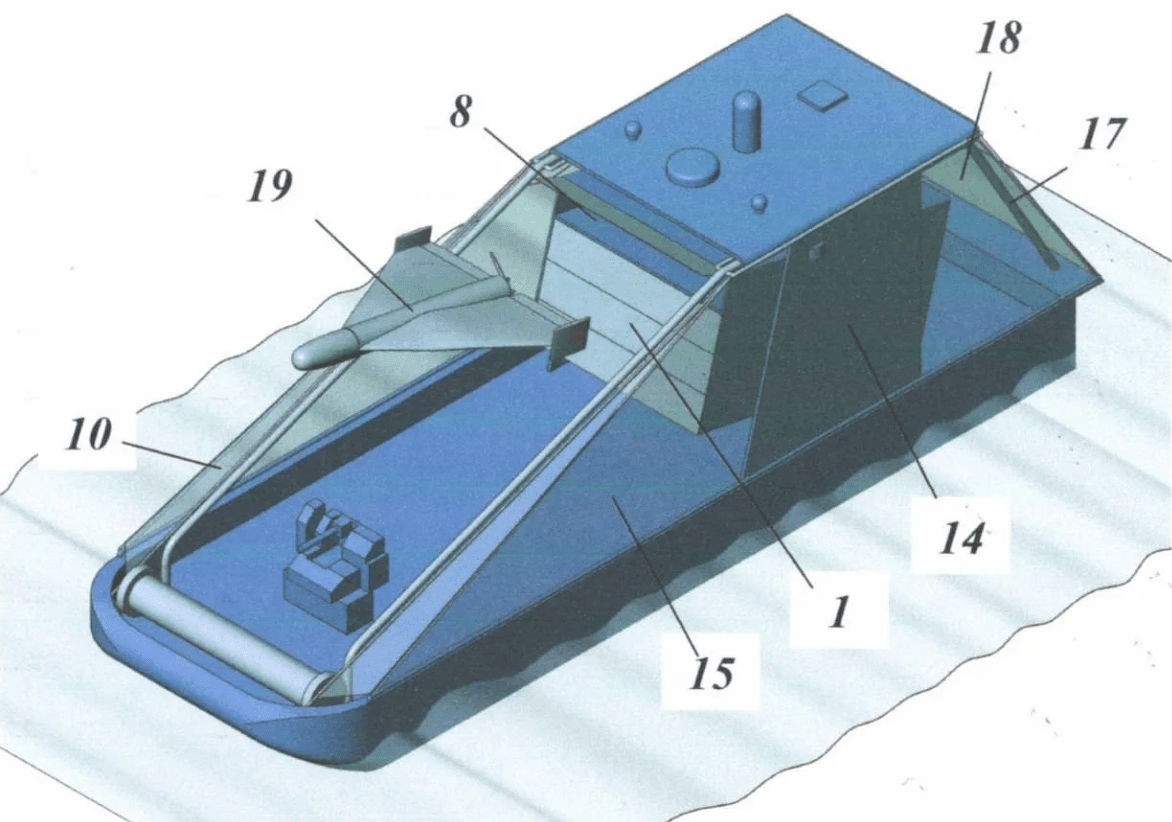
Each container is sealed with a protective cover, and the drones would require solid-fuel boosters for takeoff due to the absence of a catapult system.
The platform also appears to carry a remotely operated 7.62 mm machine-gun turret positioned directly in front of the launch cells. Defense Express notes that a booster-assisted launch could expose the turret’s optics and electronics to debris or heat, raising doubts about its functionality after the first use.
Developers propose covering the drone with a lightweight radar-absorbing camouflage net to reduce its radar signature. Similar materials exist internationally, but Defense Express highlights that the effectiveness of Russian-produced equivalents remains uncertain.
According to Defense Express, the system does not offer significant operational advantages for strikes against Ukraine. The distance from occupied Crimea to Ukrainian-controlled coastline is roughly 150 kilometers—well within the standard range of Shahed drones launched from land.
Russia already employs variants with ranges estimated between 1,800 and 2,500 kilometers, which allows them to reach targets across most of Europe from existing launch sites.
The outlet adds that heavier warheads—sometimes exceeding 90 kilograms—would reduce the drone’s range, creating a theoretical argument for a forward-deployed sea platform.
In such a scenario, a launch from offshore could shorten the detection window for air-defense systems along the coastline. Still, the overall strategic benefit remains questionable.
Defense Express notes that the rationale for a sea-based launcher becomes more coherent when considering operations far from Europe, particularly in the Pacific.
The distance from Russia’s Kamchatka Peninsula to the US West Coast exceeds 7,000 kilometers using indirect maritime routes. A long-range unmanned vessel could shorten that gap and enable launches closer to American territory.
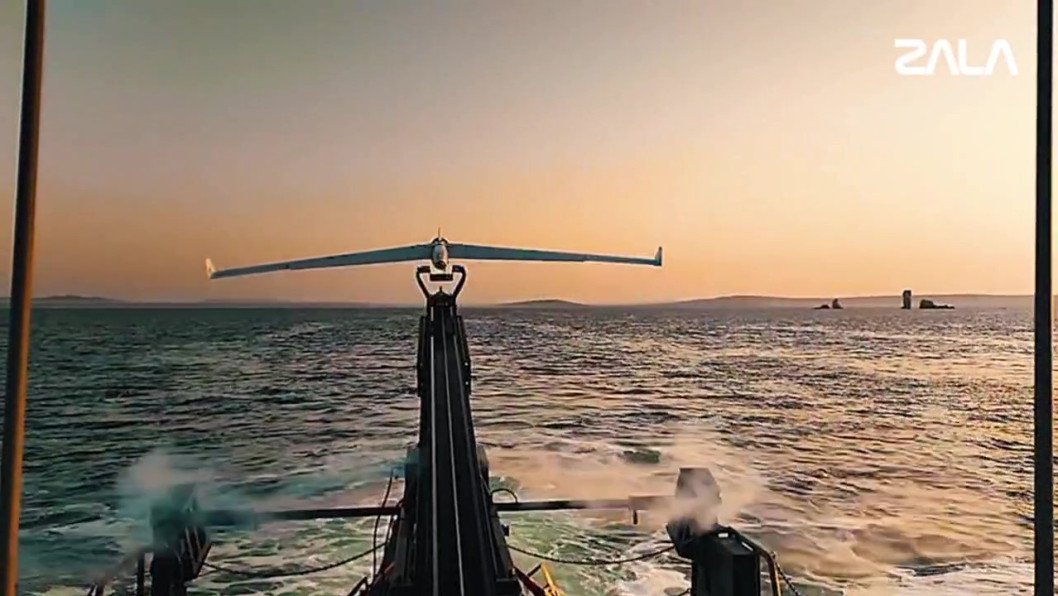
However, the report underscores a key limitation: Russia lacks reliable satellite communications for real-time drone control. As a result, Russian long-range drones depend heavily on radio-based links, which can be disrupted or intercepted and have a relatively short operational range.
This constraint significantly reduces the feasibility of guiding loitering munitions over trans-oceanic distances.
Earlier, Ukraine’s Defense Intelligence Directorate reported that Russia plans to bring in up to 12,000 North Korean workers by the end of 2025 to staff drone factories in Tatarstan, offering wages of $2.50 an hour for 12-hour shifts.
Discuss this article:


-c439b7bd9030ecf9d5a4287dc361ba31.jpg "Photo of Katherina Popilnichenko")