- Category
- Opinion
When Russian Drones Enter Europe—By Violating NATO Airspace and by Invitation
 Prefer U24 Media on Google
- Authors


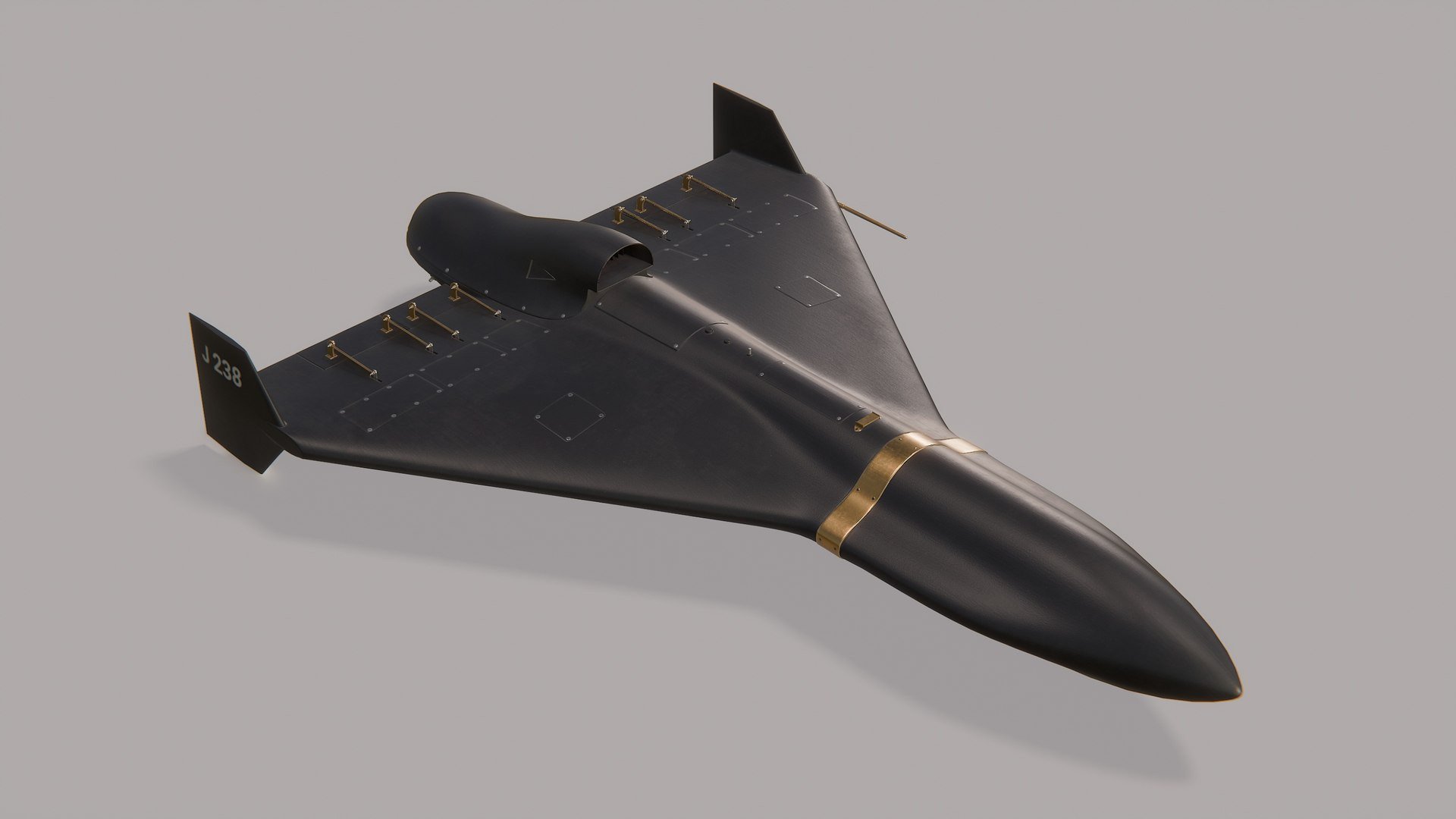
First, Russian drones violated NATO airspace. Now, those same drones—captured and intact—are on public display in the EU, shocking visitors with their size, low cost, and Western-made components.
Since this fall, EU countries have been reporting a record surge in airspace violations by “unidentified drones.” In September alone, Russia was “probing” the responses of Poland, Romania, Denmark, Sweden, Finland, and the Netherlands with airspace incursions. The responses were far from forceful—mostly expressions of concern. The drones circled airports and military installations. While they didn’t cause major damage, they posed real risks—for example, even a small UAV can damage a cockpit or fuel tank, endangering flights.
Germany records an average of three drone sightings per day over military facilities, defense industry enterprises, and other strategic zones, The Wall Street Journal reported.
European Commission President Ursula von der Leyen has stated that these systematic airspace violations by Russian drones are part of the hybrid warfare Russia is waging against Europe.
It’s also an economic assault. Every minute of halted air traffic results in financial losses. The United Arab Emirates, which previously had to ground flights due to drone incidents, estimated its losses at €95,000 per minute.
Russia’s drone activity is further amplified by acts of sabotage and cyberattacks—measures aimed at weakening EU solidarity in support of Ukraine.
Russian drones come to the EU
In November, drones targeted Belgium. On November 4 alone, two hundred drone-related incidents were reported, severely disrupting the country’s air traffic.
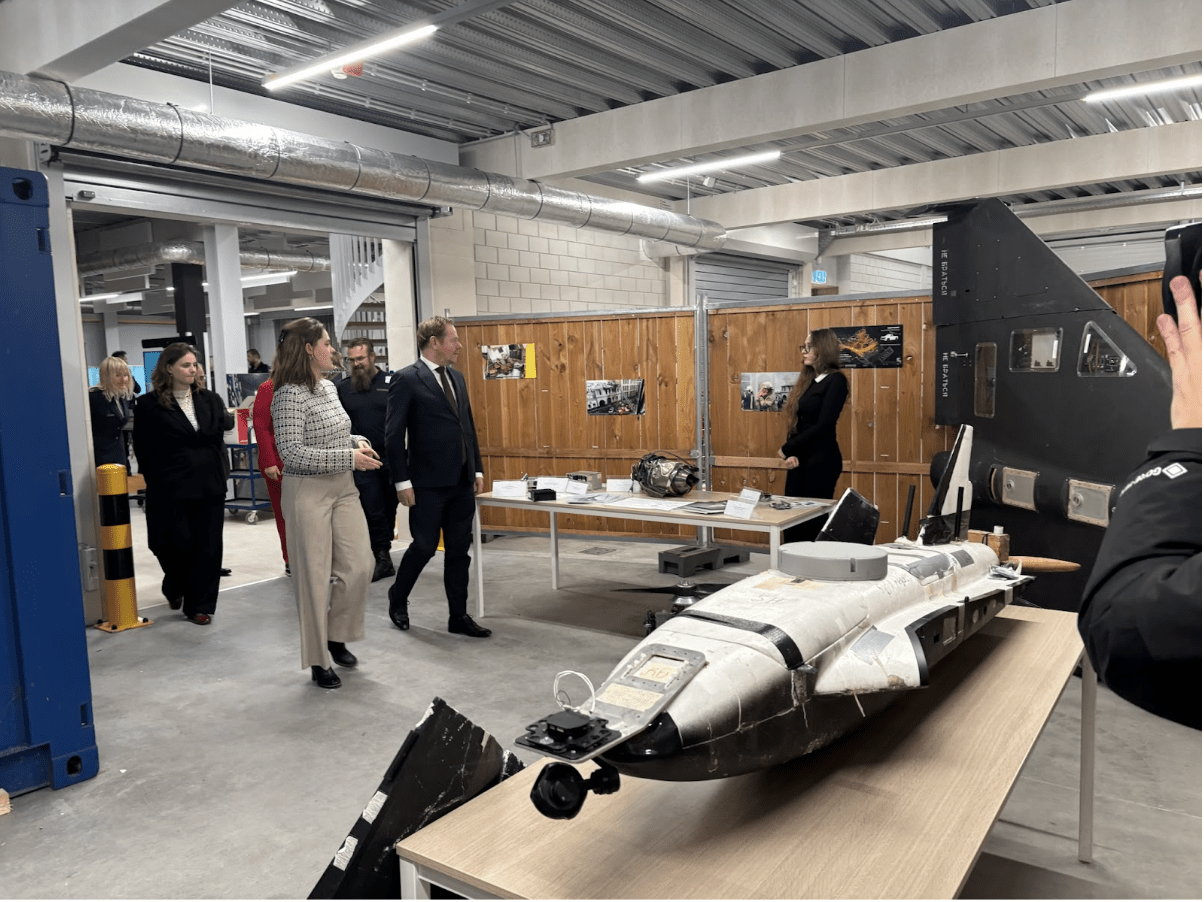
Against the backdrop of this “gray war” in European skies, Ukraine’s Independent Anti-Corruption Commission NAKO brought a military trophy exhibit to the Netherlands in early November. On display were intact examples of a Shahed and a Geran drone, as well as numerous foreign components found in Russian weaponry. These artifacts support our research into how Russia circumvents European and American sanctions and how China’s role is growing in fueling the Russian war machine.
The right to host the exhibit sparked a competition between several Dutch ministries and agencies. In the fourth year of the war, Russia’s drone harassment of the EU has finally triggered heightened interest—and perhaps even personal concern—among Europeans about the war in Ukraine and the Russian threat.
Within a week, we showcased the drones at Amsterdam’s Schiphol Airport. Dutch Foreign Minister David van Weel, as well as State Secretaries Aukje de Vries and Eugenie Heijnen, came to view the display.
At an export control seminar organized by the Dutch Foreign Affairs Ministry, 300 people gathered to see the UAVs. A separate exhibition hosted by the Defense Ministry drew 500 attendees. Notably, during the same period, the Dutch Defense Ministry publicly urged defense firms to develop technologies capable of detecting and neutralizing drones.

Military personnel, officials, diplomats, customs officers, regulatory representatives, and business leaders stood before the very weapons that are killing Ukrainians every day. They discussed how Russia is now threatening Europe, how it is waging hybrid warfare, and why the West must accelerate its aid to Ukraine and rethink sanctions on Russia—sanctions that remain too timid and disproportionate to the scale of the threat.
Seeing is believing
For many—even those in defense—the drones were a visceral shock.
Some admitted they had no idea how large Russia’s “killer drones” actually are. They were also stunned to see that the Shahed was assembled using Western components. As for the Geran—a decoy drone made of foam and designed to overload air defense systems—visitors were struck by how cheap it was to produce, ranging from $20,000 to $80,000 per unit. This clearly demonstrates how mass-produced and effective such weapons can be in terrorizing not only Ukraine but Europe as well.
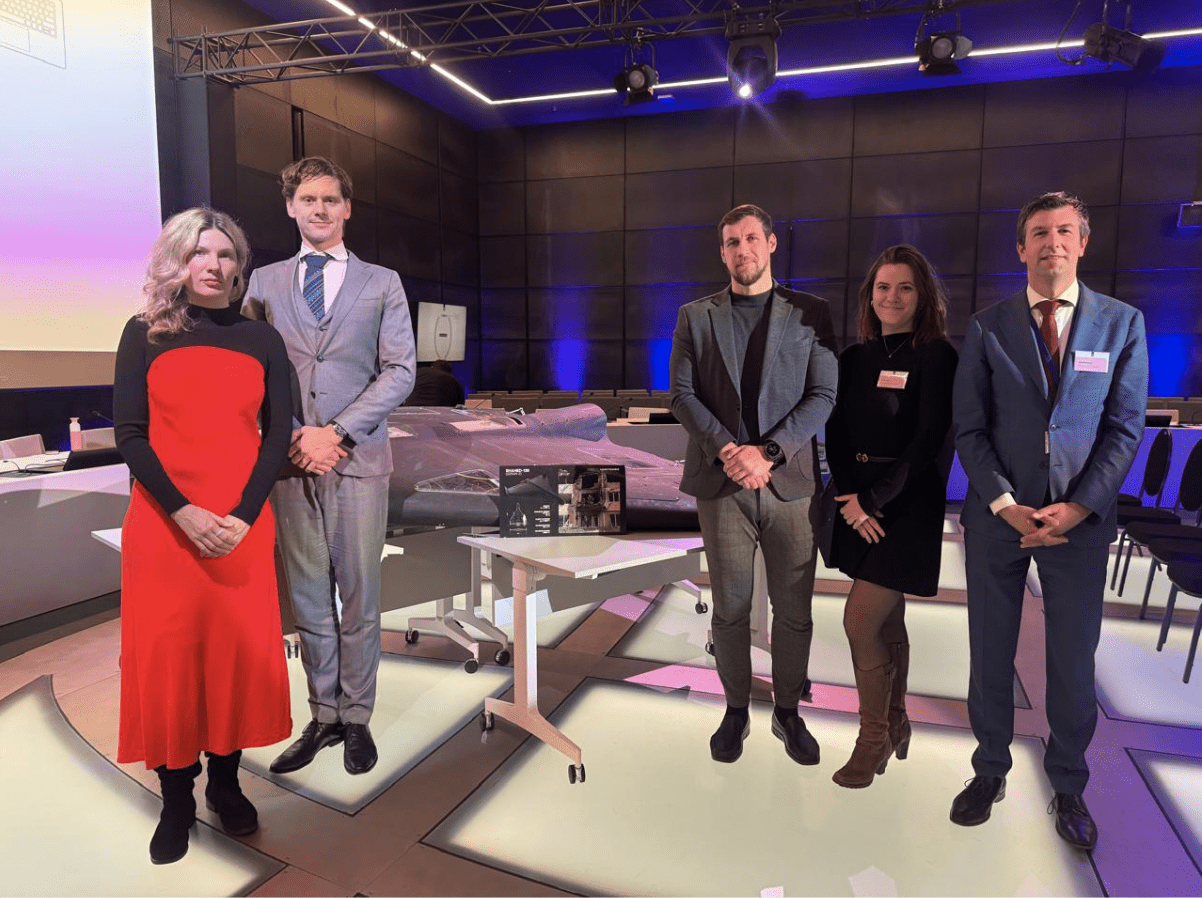
These events must be scaled up. When Europe sees the artifacts of war not on screens but in its own cities, policy shifts happen right before our eyes.
It’s disheartening to realize that Ukraine must draw attention to Russia’s war of aggression through such “attractions.” But if these exhibits make visitors feel uncomfortable—or prompt them to think about what’s being launched at us, and now at them—then we’re doing the right thing.
Discuss this article:

-206008aed5f329e86c52788e3e423f23.jpg "Photo of Oleksandr Moiseienko")

-f3430f0449615e9897dff835086ac204.jpg "Ukraine Broke With a Soviet-Era Military System and Rebuilt It Around the Soldier")
-e126c16a85d580738cf2d57e760b80a3.jpeg "Photo of Vladyslav Greziev")