- Category
- Latest news
Russia Exploits Deported Ukrainian Children as “Leverage in Negotiations,” Ukrainain FM Warns
 Prefer U24 Media on Google
- Authors


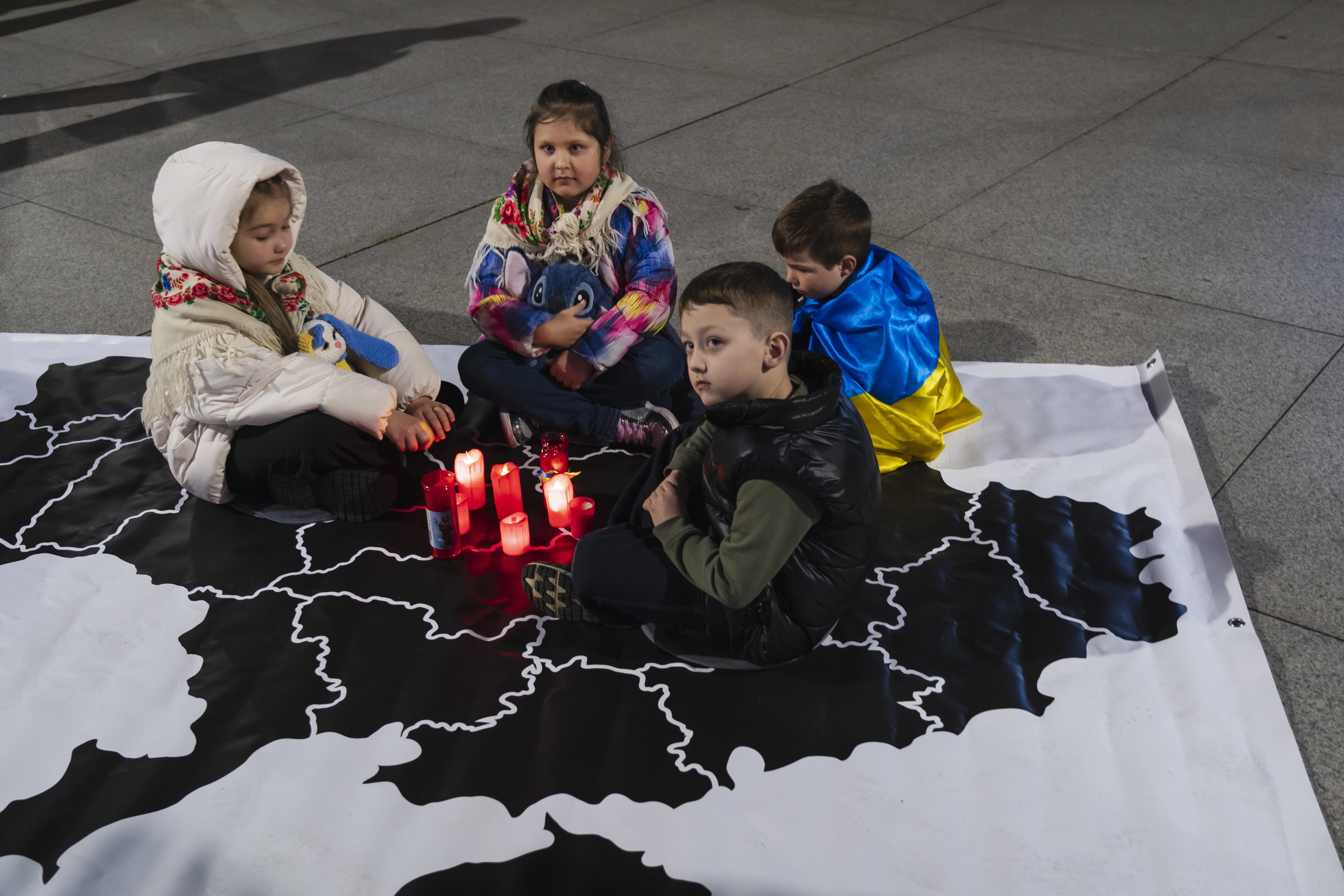
Ukraine’s Foreign Minister Andrii Sybiha met with the UN Secretary-General’s Special Representative for Children and Armed Conflict, Vanessa Fraser, on April 13 to discuss the return of Ukrainian children deported by Russia and efforts to strengthen international accountability.
In a post on X, Sybiha stressed that a sustainable peace cannot be achieved without the return of Ukrainian children taken from occupied territories. He noted that more than 2,000 children have already been brought back, but many remain in Russia.
We bring you stories from the ground. Your support keeps our team in the field.
“Russia is systematically changing Ukrainian children’s documents, placing them in foster families, including in remote regions of Russia. Moreover, it is attempting to erase their identity by different means. Even more cynically, it is instrumentalizing children in this war — using them as leverage in negotiations,” Sybiha said.
The minister described these actions as serious violations of international humanitarian law and war crimes.
During the meeting, the two sides also discussed practical steps to “stop such violations, implement the relevant UNGA Resolution on the return of Ukrainian children, and strengthen international efforts to ensure accountability for such crimes.”
I had a meeting with UN SRSG for Children & Armed Conflict @_VanessaFrazier in Kyiv.
— Andrii Sybiha 🇺🇦 (@andrii_sybiha) April 13, 2026
For Ukraine, the return of our children is among key priorities. I emphasized that there can be no lasting peace without bringing them home. So far, we have managed to return over two thousand… pic.twitter.com/3WNWilTQdt
These concerns are further reinforced by recent investigative findings pointing to the continued transfer and assimilation of Ukrainian children into Russian systems. A joint investigation by Current Time and The Reckoning Project found that four children taken from a Kherson orphanage in 2022 are currently listed for adoption on a Russian state-run website.
As of March 2026, the children’s profiles remained active on the portal “usynovite.rf,” with no indication of their Ukrainian origin or connection to Kherson. For security reasons, their identities have not been publicly disclosed, although journalists involved in the investigation have verified the details.
According to the findings, Russian occupation authorities removed children from the Kherson orphanage in two stages—two in September 2022 and a further 46 on October 21, 2022. While 10 of the children have since been returned to Ukraine, many others remain placed with foster families in Russia.
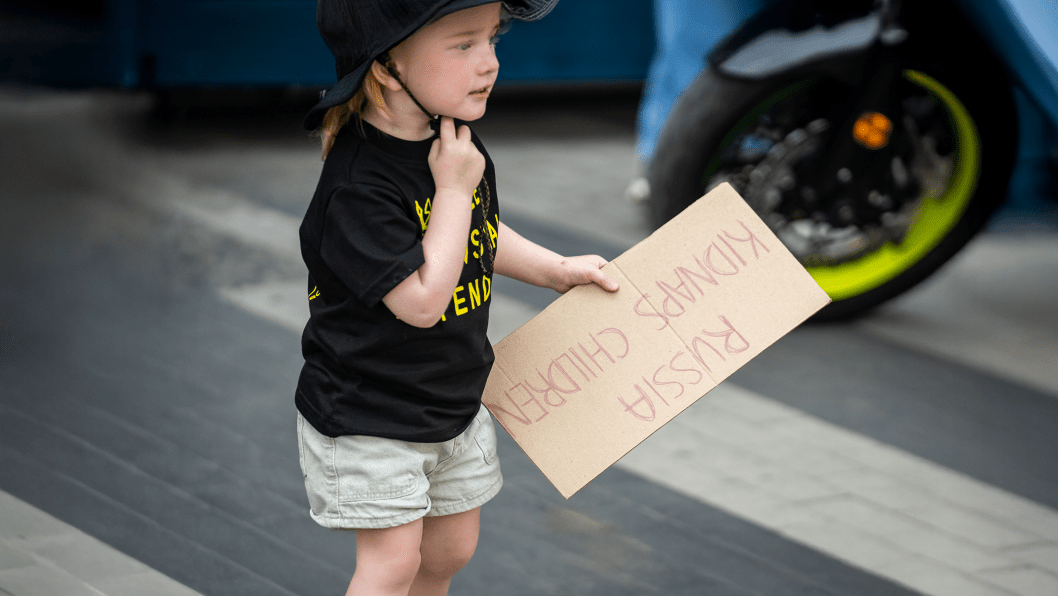
Further evidence points to the scale and organization behind the deportation of Ukrainian children. A study by Yale University has confirmed that Russian state-owned companies, including Gazprom and Rosneft, were involved in financing the transfer and so-called “re-education” of more than 2,000 children from temporarily occupied Ukrainian territories between 2022 and 2025.
The findings, published by the Yale School of Public Health’s Humanitarian Research Lab (HRL) on March 25, detail how at least 2,158 children from the Donetsk, Luhansk, and Zaporizhzhia regions were sent to six camps in Russia and temporarily occupied Crimea.
According to the report, three of these camps were owned by Gazprom subsidiaries at the time, with two still under its control, while Rosneft facilitated the transfer of around 100 children to three camps in 2023 through its trade union network. The companies reportedly issued subsidized or free vouchers enabling children to attend camps where pro-Russian reeducation programs were conducted.
In addition, as of September 2025, the lab identified at least 210 facilities across Russia and temporarily occupied Ukrainian territories where Ukrainian children have been taken.
Discuss this article:
-4a56a6b482ec132402c16ef6fcabf9a2.png)

-c439b7bd9030ecf9d5a4287dc361ba31.jpg "Photo of Katherina Popilnichenko")