- Category
- Latest news
Russia Has Struck Kharkiv Lab Containing Enriched Uranium Over 70 Times, Risking Contamination of City
 Prefer U24 Media on Google
- Authors


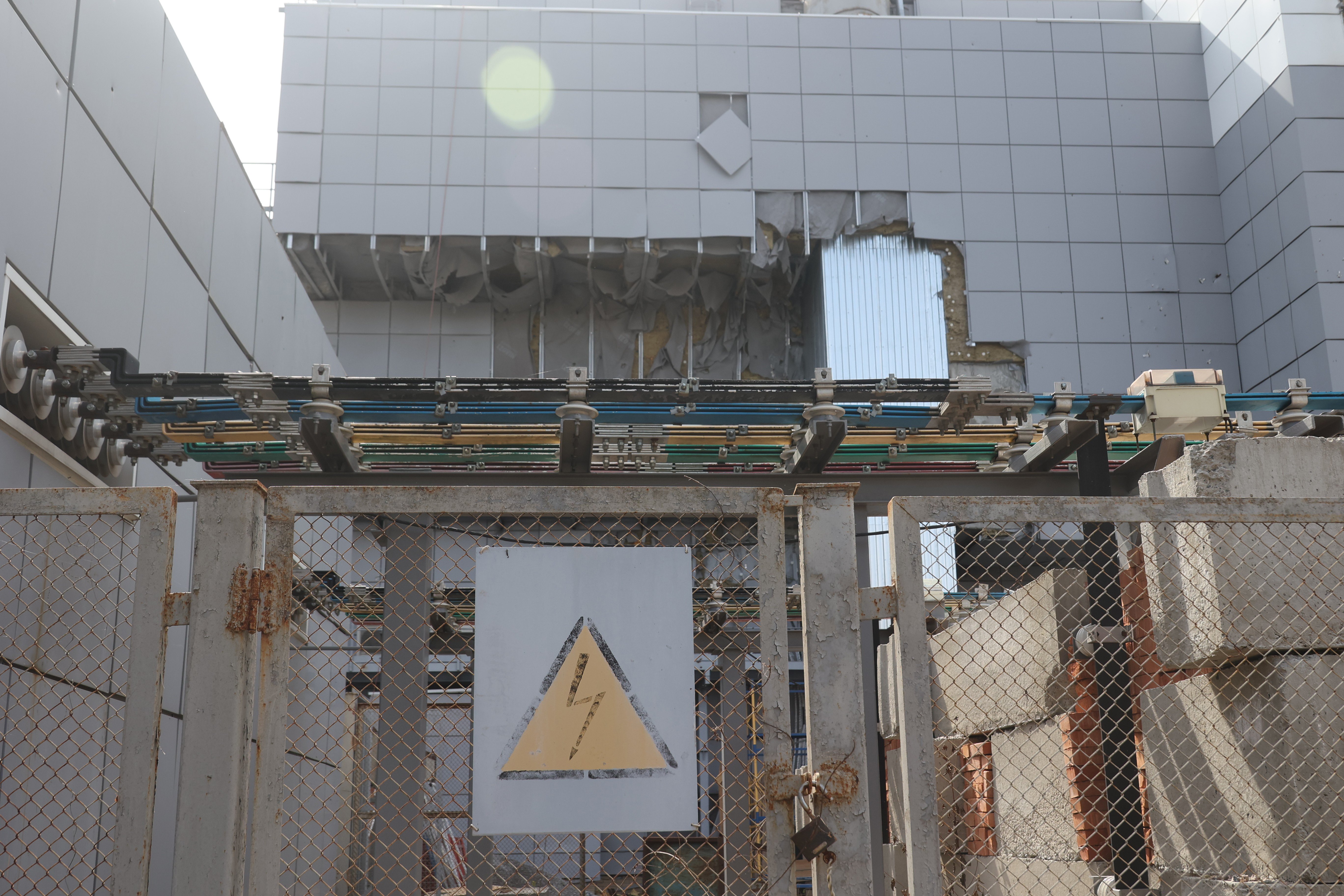
Russian forces have damaged a laboratory in Kharkiv housing the experimental "Neutron Source" device 74 times. The site contains enough enriched uranium that, if released, it could contaminate a large portion of the city, according to Ukrainian officials quoted by The New York Times on September 9.
The Kharkiv Institute of Physics and Technology, which once contributed to the creation of the Soviet Union’s first atomic bombs, agreed in 2010 to stop working with uranium and, as part of nuclear nonproliferation efforts encouraged by the United States, transferred its stockpiles to Russia. However, the New York Times reports that highly dangerous materials, including uranium in the Neutron Source, remain at the site, with enrichment levels far exceeding those used for nuclear power plants. The institute has not disclosed the exact amount of uranium on-site.
After Russia’s 2022 invasion, scientists halted experiments and switched the Neutron Source to a long-term shutdown mode. Yet, the uranium remains, along with the ongoing risk of contamination.
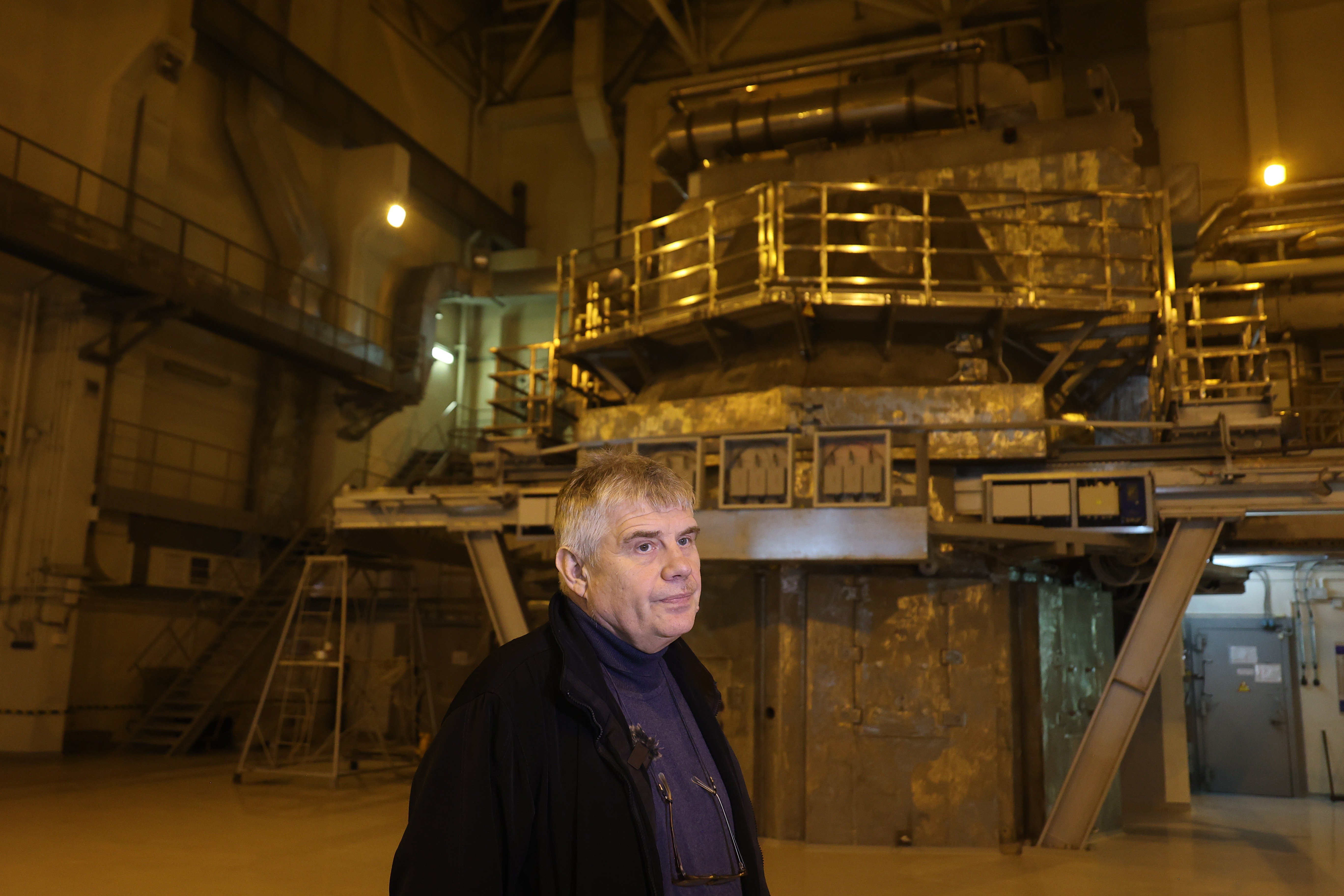
According to the NYT, the Neutron Source consists of two key components: a core the size of a bus, surrounded by radiation shields, and an attached 27-meter particle accelerator. The United States partially funded its construction in exchange for Ukraine's commitment to relinquish uranium suitable for bomb-making.
Ukrainian officials report that drones, rockets, and artillery have damaged the building housing the device so many times that it can hardly be considered accidental. The laboratory is located just 22 kilometers from the front lines.
“It’s scary but we are used to it,” says Oleksandr Bykhun, deputy chief engineer at the Kharkiv Institute of Physics and Technology, the leading nuclear research center in Ukraine, where the Neutron Source is housed.
The building was constructed without consideration for potential attacks, and its walls are not designed to withstand direct hits. Daily explosions from outside cause the dispatch office to shake, and the shockwave from one blast dislodged plaster from the wall near the device, NYT wrote.
Ukrainian authorities have charged five Russian soldiers with deliberately targeting the site. Investigators claim the direct hits could have contaminated the area where about 640,000 people live. Ukrainian prosecutors have accused the officers of ecocide, attempting to use environmental damage as a tool of war.
In 2022, a shell struck a transformer substation, leaving the building without power for several months. Scientists had to rely on backup heating to prevent cooling water from freezing and damaging the aluminum coating on the uranium fuel rods.
Despite the Neutron Source being in shutdown mode, other labs at the institute continue experiments in nuclear fusion, using radioactive hydrogen. Acting director Mykola Azarenkov states that the team has gathered enough data to present a scientific paper at a conference this fall.
Previously, it was reported that Russia is preparing to build a military facility on the grounds of the destroyed Azovstal steel plant in Mariupol and plans to connect it to the occupied Zaporizhzhia Nuclear Power Plant, according to Ukrainian officials.
Discuss this article:
-6c7b568bf1f65853b7afd9dc1c3ca1fe.jpeg)


-c439b7bd9030ecf9d5a4287dc361ba31.jpg "Photo of Katherina Popilnichenko")


-111f0e5095e02c02446ffed57bfb0ab1.jpeg "Photo of Roman Kohanets")

-72b63a4e0c8c475ad81fe3eed3f63729.jpeg "Photo of Cyril Barabaltchouk")