- Category
- Latest news
Russia Turns Azovstal Into Nuclear-Powered Military Base Using Seized Zaporizhzhia Plant
 Prefer U24 Media on Google
- Authors


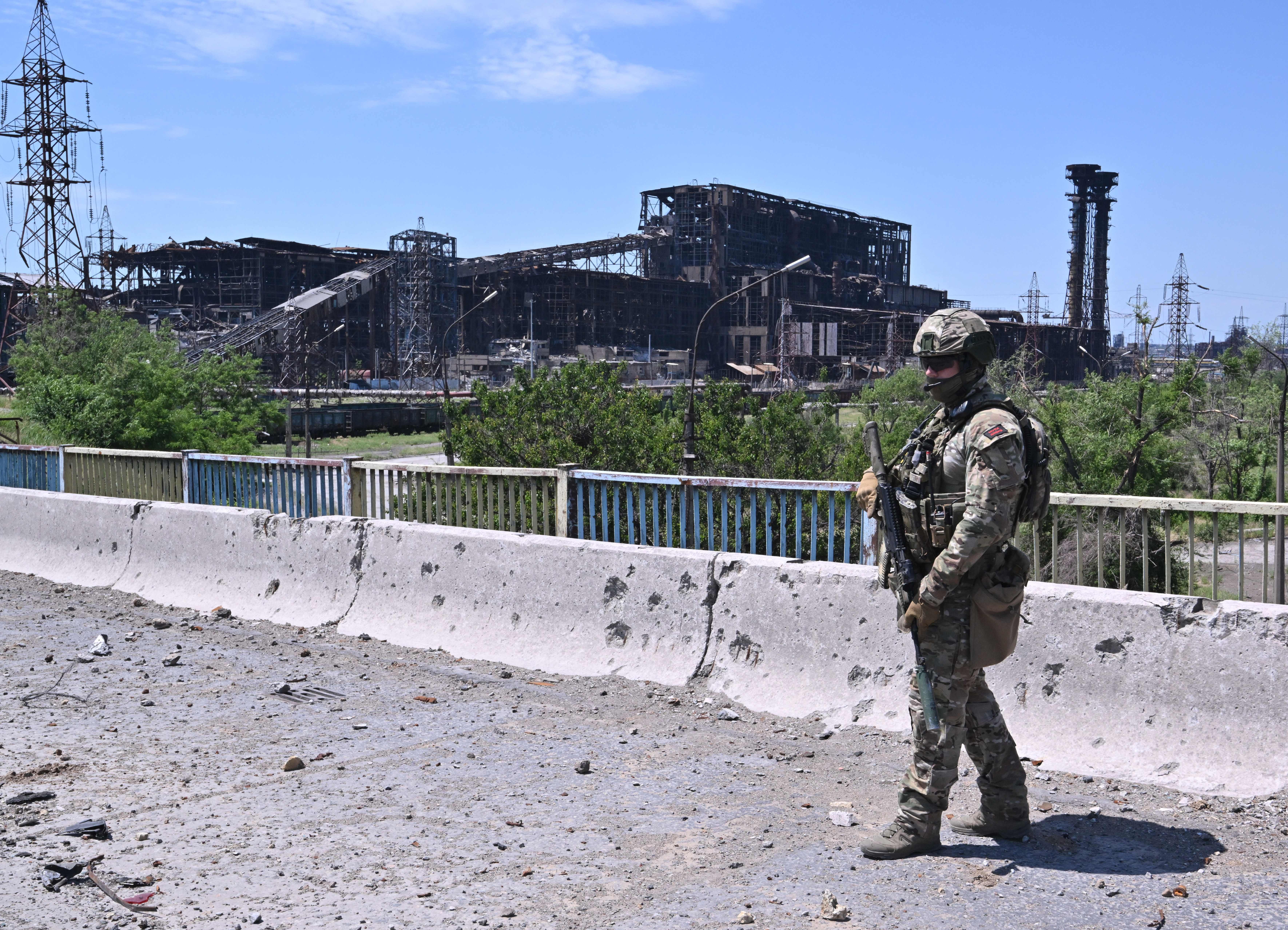
Russia is preparing to build a military facility on the grounds of the destroyed Azovstal steel plant in Mariupol and plans to connect it to the occupied Zaporizhzhia Nuclear Power Plant (ZNPP), according to Ukrainian officials.
Petro Andriushchenko, head of the Center for the Study of Occupation, said on September 8 that Russia has approved plans to reconstruct high-voltage power lines leading to the Azovstal site.
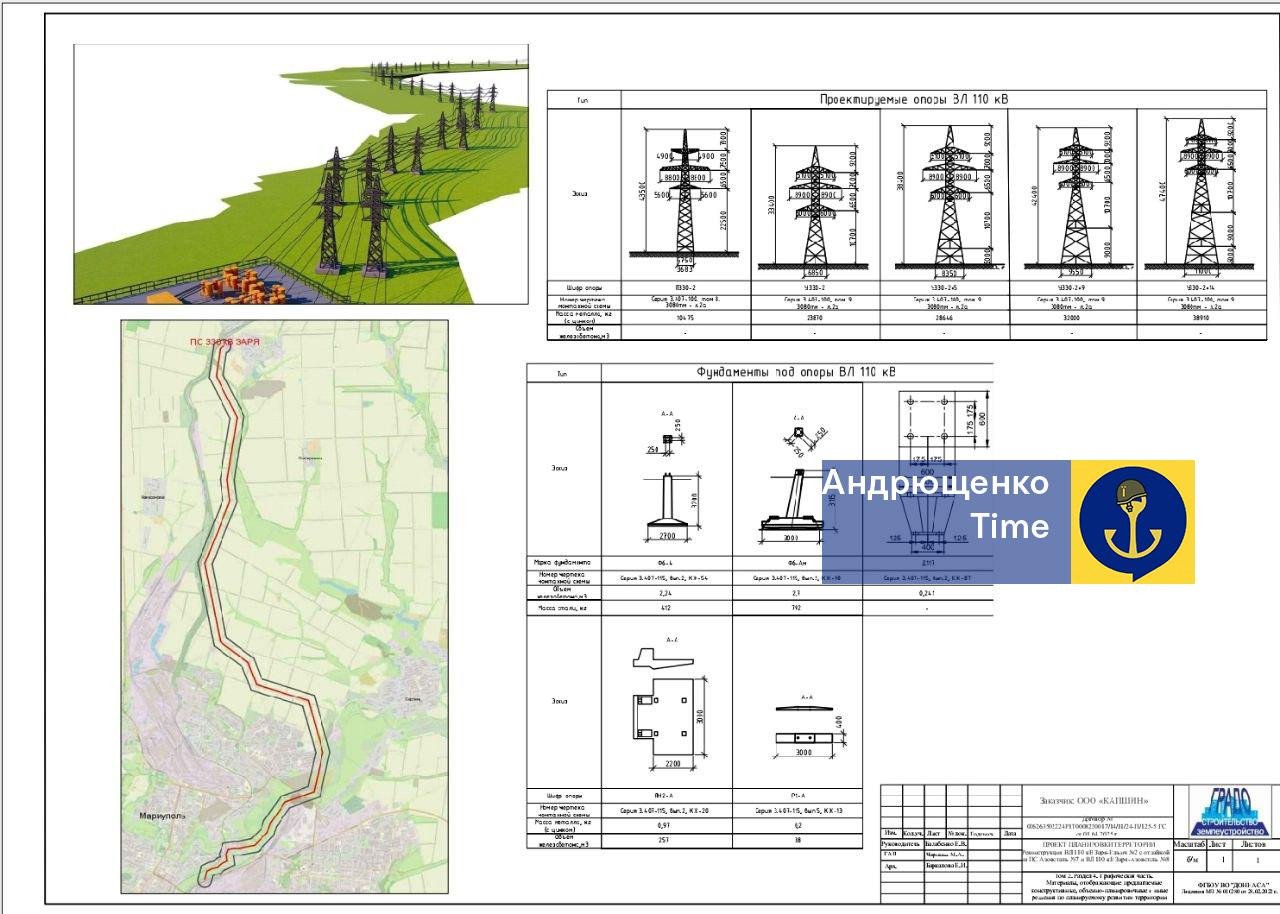
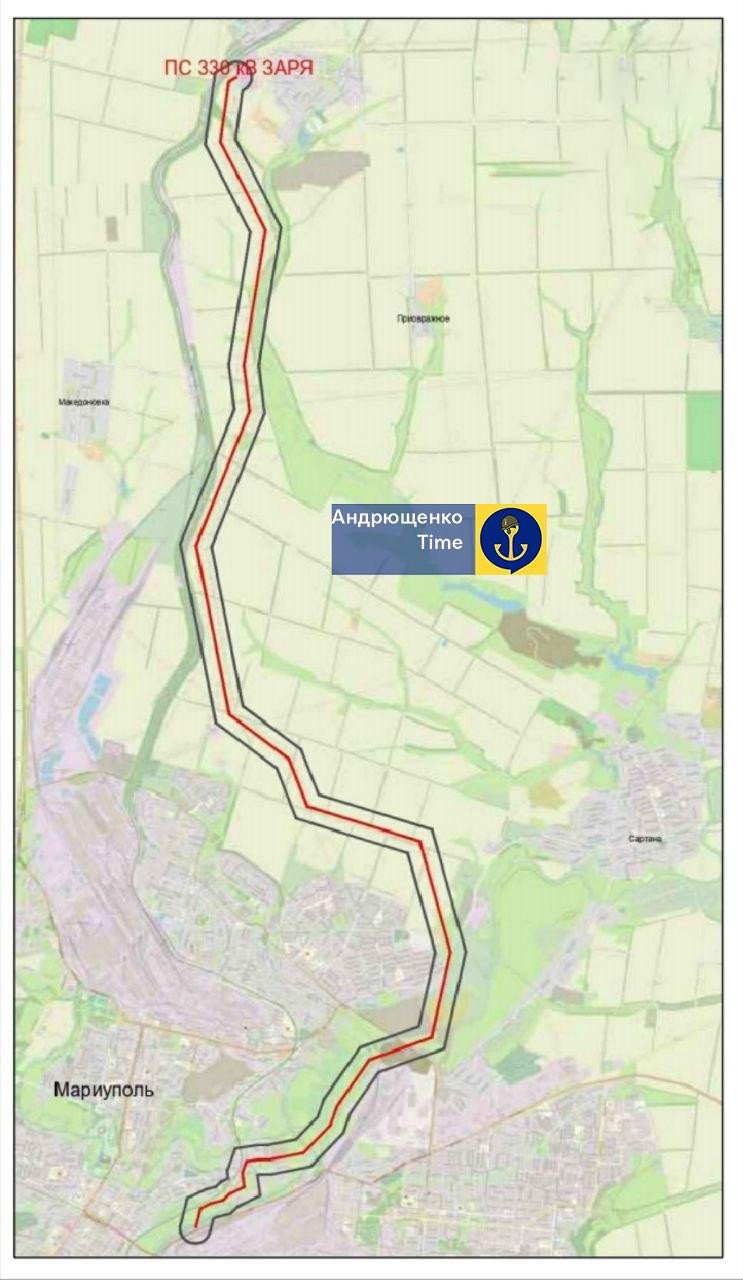
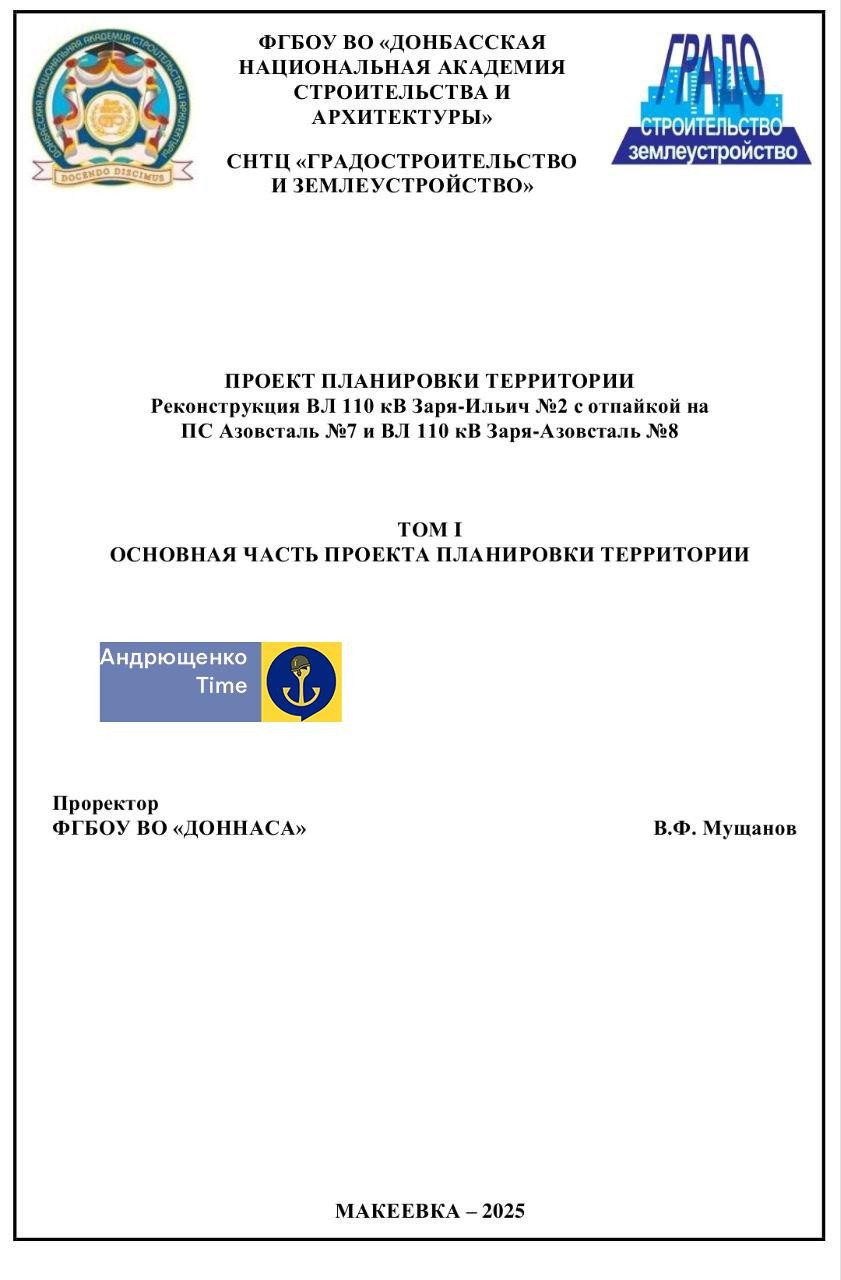
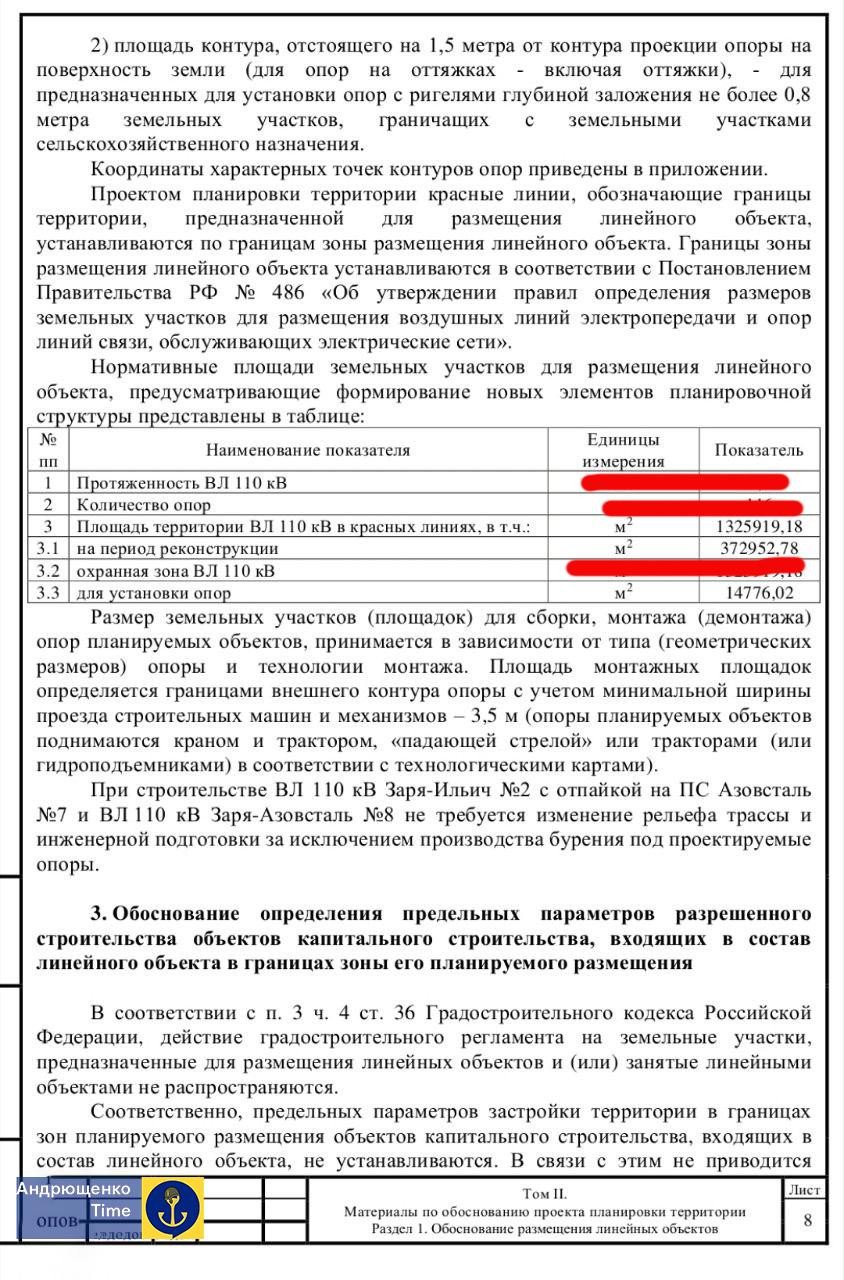
“While the city survives without water, Russians are quietly connecting the destroyed Azovstal to the power grid. A project has been approved for the reconstruction of two 110 kV power lines with a branch to the Azovstal substation No. 7,” Andriushchenko stated.
According to documents he shared, the project involves reconstruction of the 110 kV Zarya–Illich line with a branch to substation Azovstal No. 7 and the 110 kV Zarya–Azovstal No. 8 line. The Russian company Kashpin is listed as the project contractor. The plan includes 26.68 kilometers of rebuilt lines and replacement of 18 transmission towers.
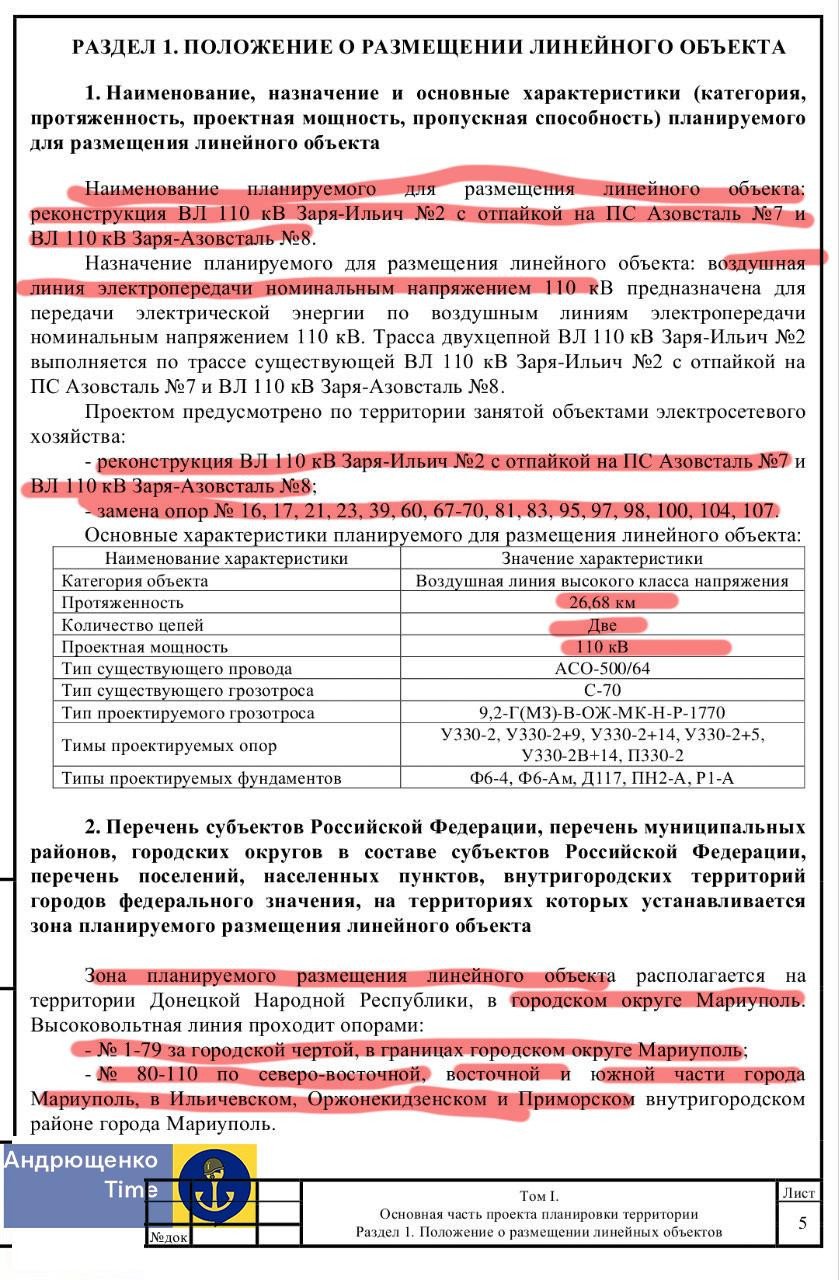
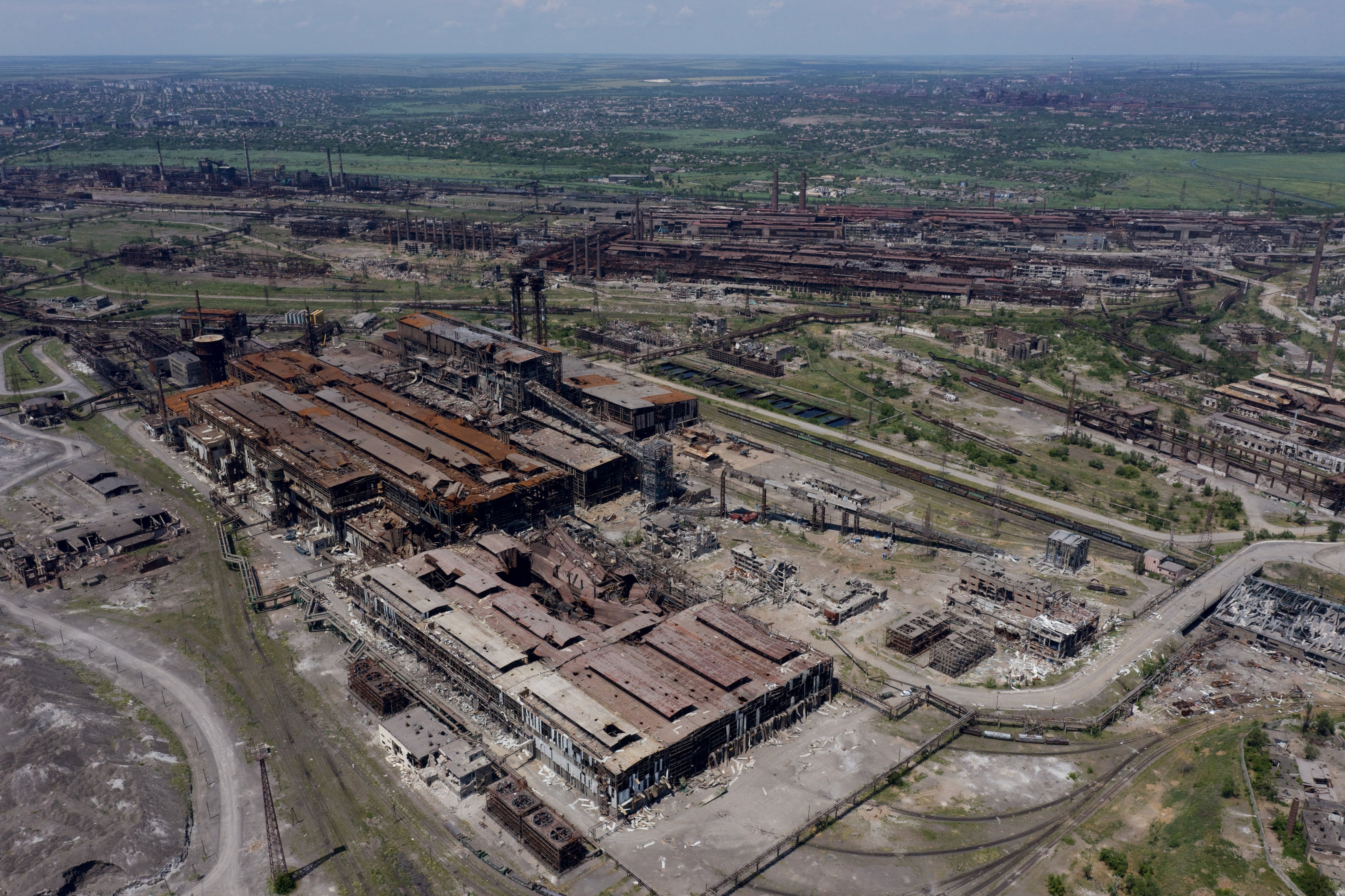
Andriushchenko noted that the project documentation shows the line ending at the right bank of the Kalmius River, just before entering the Azovstal territory.
“All other infrastructure plans were classified. This directly indicates that the Azovstal site will not be used for a civilian project,” he said.
He added that the transmission line is intended to form part of a new Russian energy corridor running from the Zaporizhzhia plant through Volnovakha and Telmanove further into Russia.
“What we have been warning about for more than a year is becoming reality. Under the demonstrative silence of the IAEA and Energoatom,” Andriushchenko concluded.
The Azovstal plant became a symbol of Ukraine’s defense in 2022. From April 25 to May 20 of that year, around 2,000 Ukrainian soldiers, including units of the Azov Regiment, marines, and border guards, held out against Russian forces for 86 days.

They carried out evacuations of civilians and conducted special operations before being ordered to cease resistance on May 20, after which they were taken prisoner.
Today, the site remains under Russian control. Its conversion into a military facility would mark a significant shift from its former role as an industrial complex.
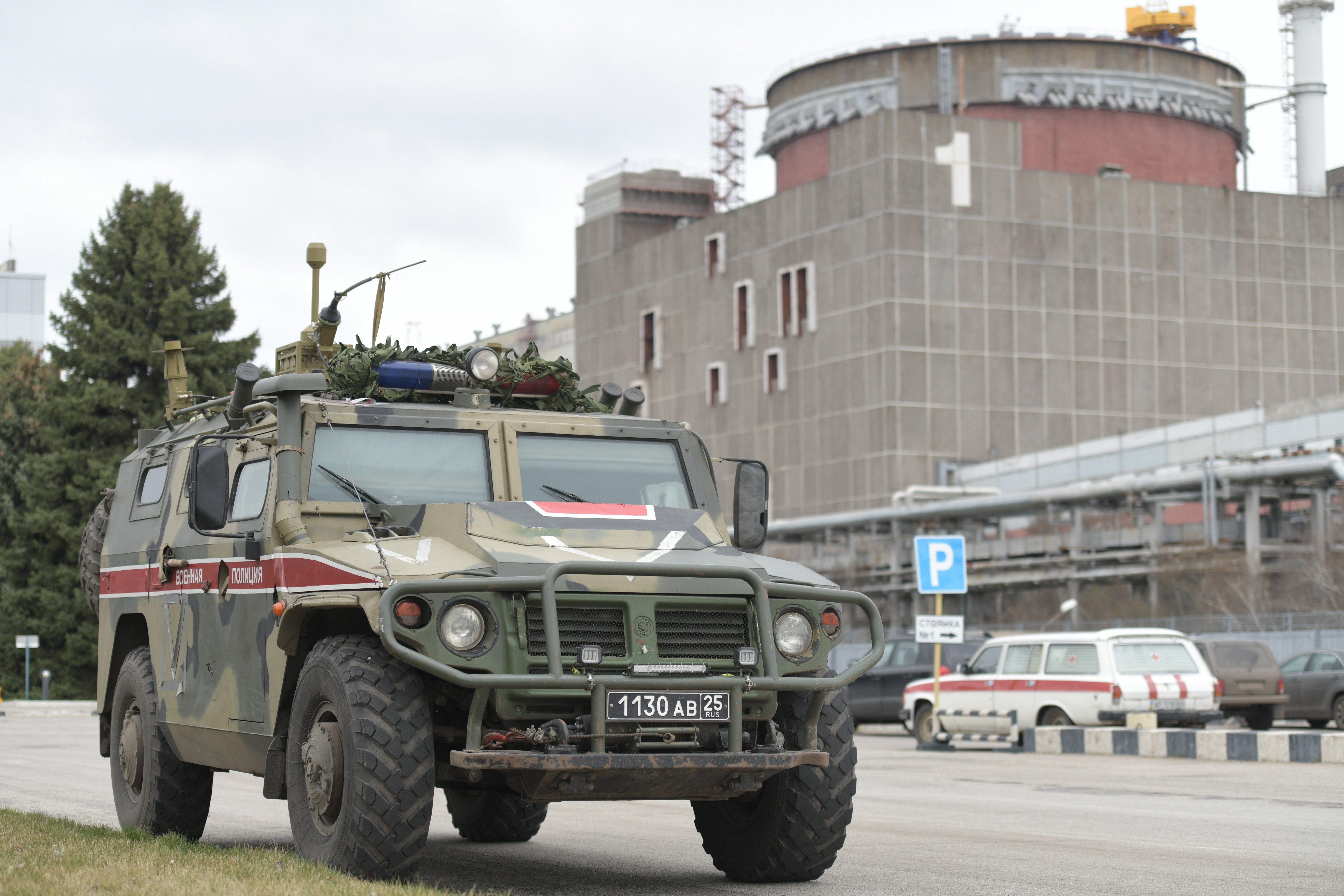
Russia also seized the Zaporizhzhia Nuclear Power Plant in March 2022. The facility, the largest in Europe, has since been used to house Russian troops and equipment. International bodies including the International Atomic Energy Agency (IAEA) have warned repeatedly about the risks posed by the militarization of the site.
Earlier, The Wall Street Journal reported that allies of Chechen leader Ramzan Kadyrov had been looting Mariupol’s Illich Iron and Steel Works, removing equipment and shipping metals to Russia.
Russian-appointed authorities dismantled a $220 million production line and exported iron byproducts worth millions, while shipments from the plant were traced to Russia and even Uzbekistan.
Discuss this article:



-c439b7bd9030ecf9d5a4287dc361ba31.jpg "Photo of Katherina Popilnichenko")