- Category
- Latest news
Russia Moves Toward Restricting Visa and Mastercard Over Expired Security
 Prefer U24 Media on Google
- Authors


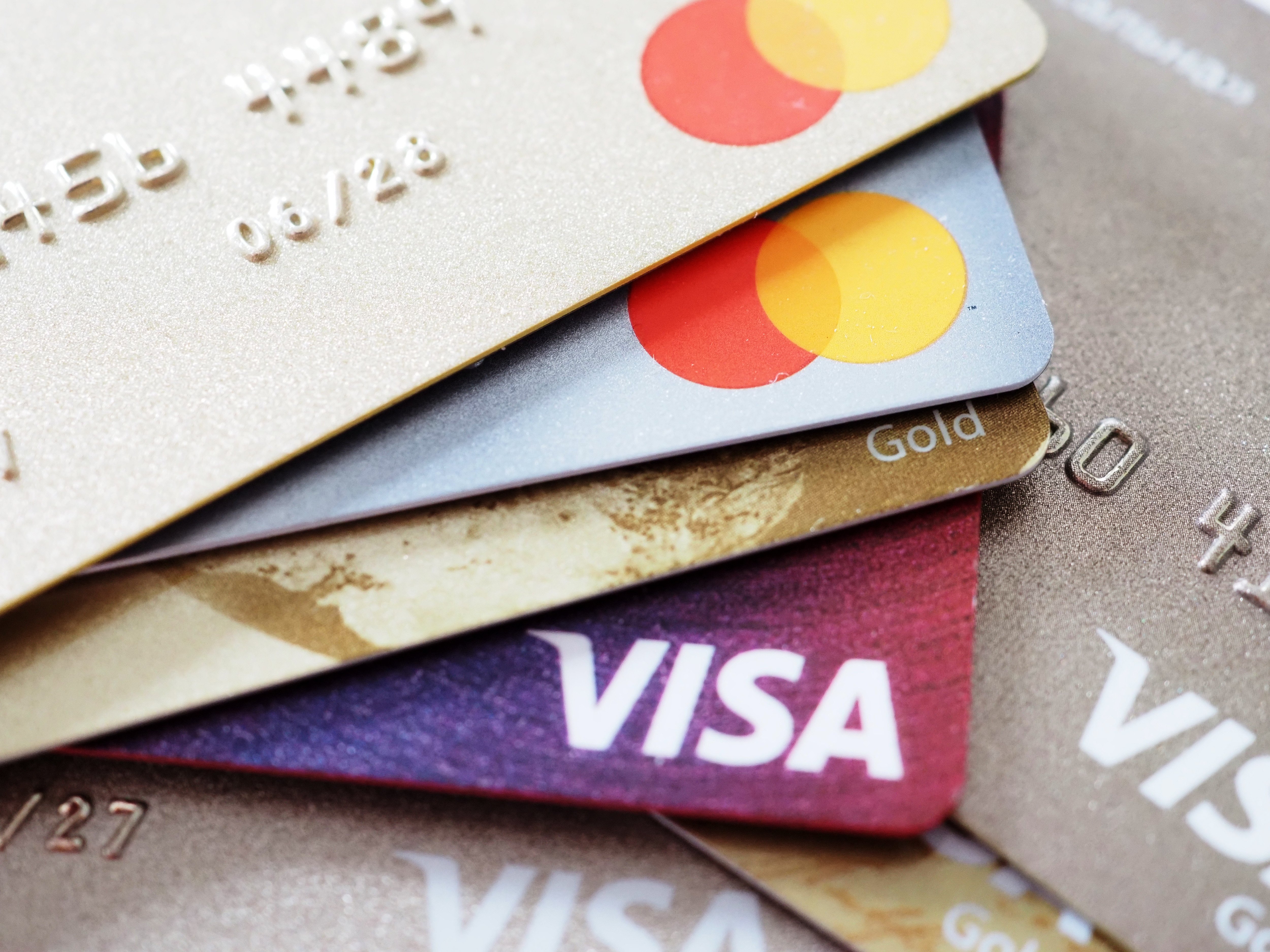
Russian lawmakers have warned of growing risks associated with the use of Visa and Mastercard payment cards in the country, citing expired validity periods and outdated security systems.
The remarks were made by Anatoly Aksakov, head of the State Duma’s committee on the financial market, in comments to TASS on Januaty 26.
We bring you stories from the ground. Your support keeps our team in the field.
According to Aksakov, the risks stem from the fact that the validity periods of Visa and Mastercard cards issued in Russia “have effectively expired long ago,” while the security measures used at the time of their issuance are now outdated. He said this creates grounds for granting the Central Bank of Russia the authority to set expiration dates for payment cards based on an assessment of risks to consumers.
He also suggested that fraudsters have made significant progress in schemes to steal money from Visa and Mastercard cards.
“I admit that they have already advanced to the point where they can, among other things, steal money from citizens who use Visa. And the Central Bank has repeatedly warned that such risks exist and that people should switch to the Mir card. Therefore, these cards definitely cannot be used abroad anymore,” he said.
The move comes amid broader efforts by Russian authorities to tighten oversight of domestic payment systems. Russian leader Vladimir Putin has signed a law giving the country’s financial watchdog, Rosfinmonitoring, direct access to citizens’ transaction data processed through the Mir payment card system and the Central Bank’s Faster Payments System (SBP).
The changes were introduced through amendments to Russia’s anti–money laundering legislation. Under the new rules, Rosfinmonitoring no longer needs to request information from individual banks to monitor SBP transfers, which handle up to 60 million transactions per day and amount to roughly $910 billion annually. Instead, the data will be transmitted directly to the agency by the National Payment Card System.
-fd36b54fa18abff98457b731d3248eb3.jpg)
Rosfinmonitoring , which maintains Russia’s registry of individuals labeled “extremists” and “terrorists” and has the authority to freeze accounts and block transactions deemed suspicious, will now receive full and direct access to transaction information.
Earlier, Russian customers started facing blocked bank cards and accounts while trying to pay for trips abroad, with the Russian Association of Tour Operators saying the problem stems from tighter oversight of transfers made through the Fast Payment System as part of anti-fraud measures.
Discuss this article: