- Category
- World
How UEFA Ended Up on Putin’s Team
The Union of European Football Associations (UEFA) is the key governing body of European football. The same organization that announced a boycott of Russia and claims to refuse cooperation with the aggressor. Supposedly. In reality, behind the scenes, UEFA has been embroiled in scandals involving steps toward Russia and efforts to look the other way as the largest war of modern times continues.
 Prefer U24 Media on Google
- Authors


In March 2024, Ukraine won a crucial World Cup qualifying match against Iceland, 2–1. In December 2025, that same match resulted in a loss for Ukraine. The reason, according to a ruling by UEFA’s Disciplinary Committee, was a fine imposed on the Ukrainian Association of Football over an anti-Russian banner displayed in the stadium at the time.
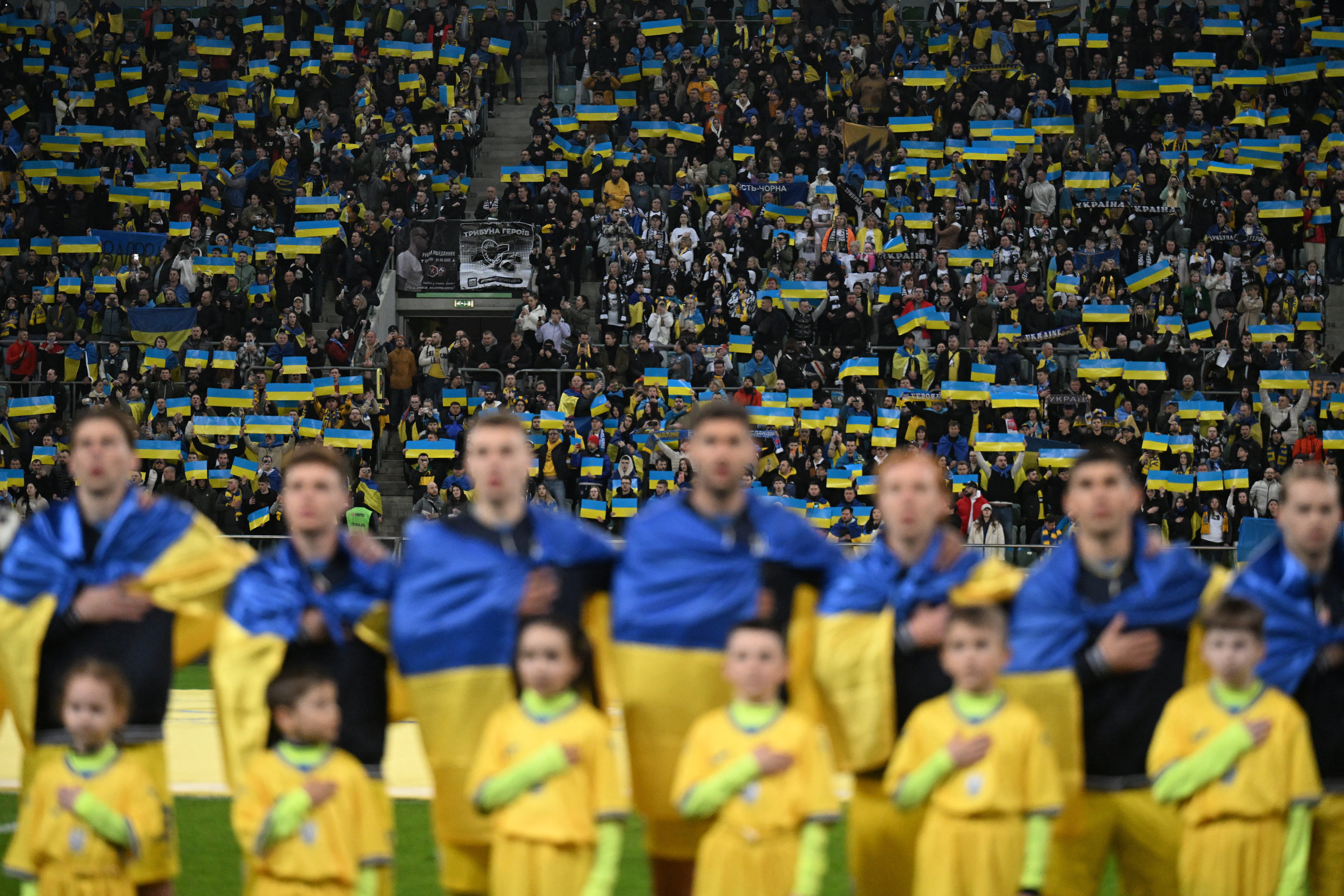
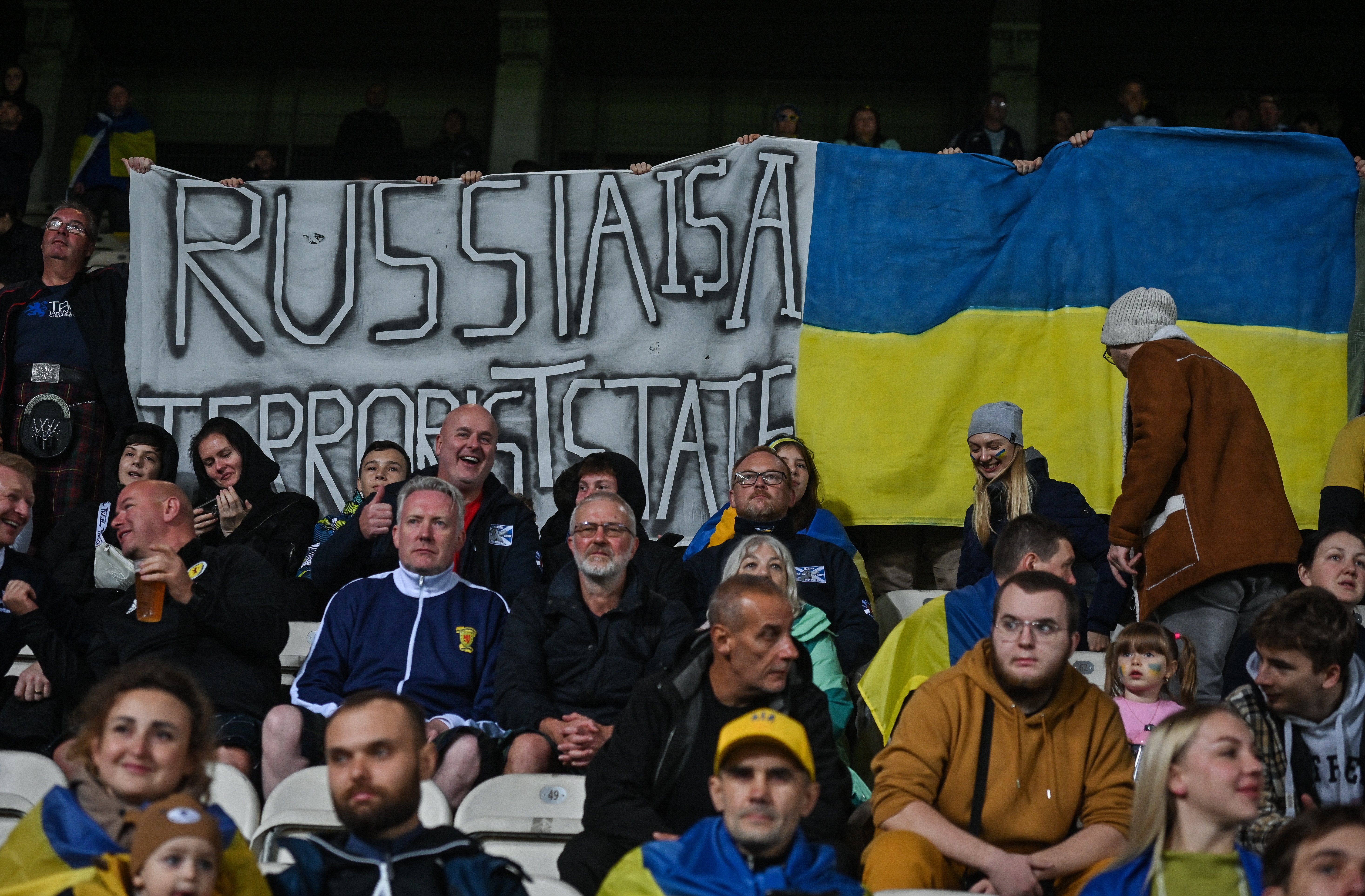
According to a UEFA delegate, fans lit smoke flares in the colors of the Ukrainian flag and unfurled a banner reading, “Russia is a terrorist state.” UEFA ruled to “impose a fine of €15,000 ($17,580) for the transmission of a provocative message that is not appropriate for a sporting event.” It is worth noting that identical “provocative” language has been used by NATO, while the European Parliament has described Russia’s actions as acts of terrorism and war crimes.
This was not the first time UEFA penalized Ukrainians for opposing the attack on their own country. Back in 2022, then–Ukraine national team head coach Oleksandr Petrakov said in an interview that if Russian forces broke through to Kyiv, he would take up arms and defend his city. The Russian Football Union filed a complaint, and Europe’s football governing body fined the 64-year-old Petrakov.
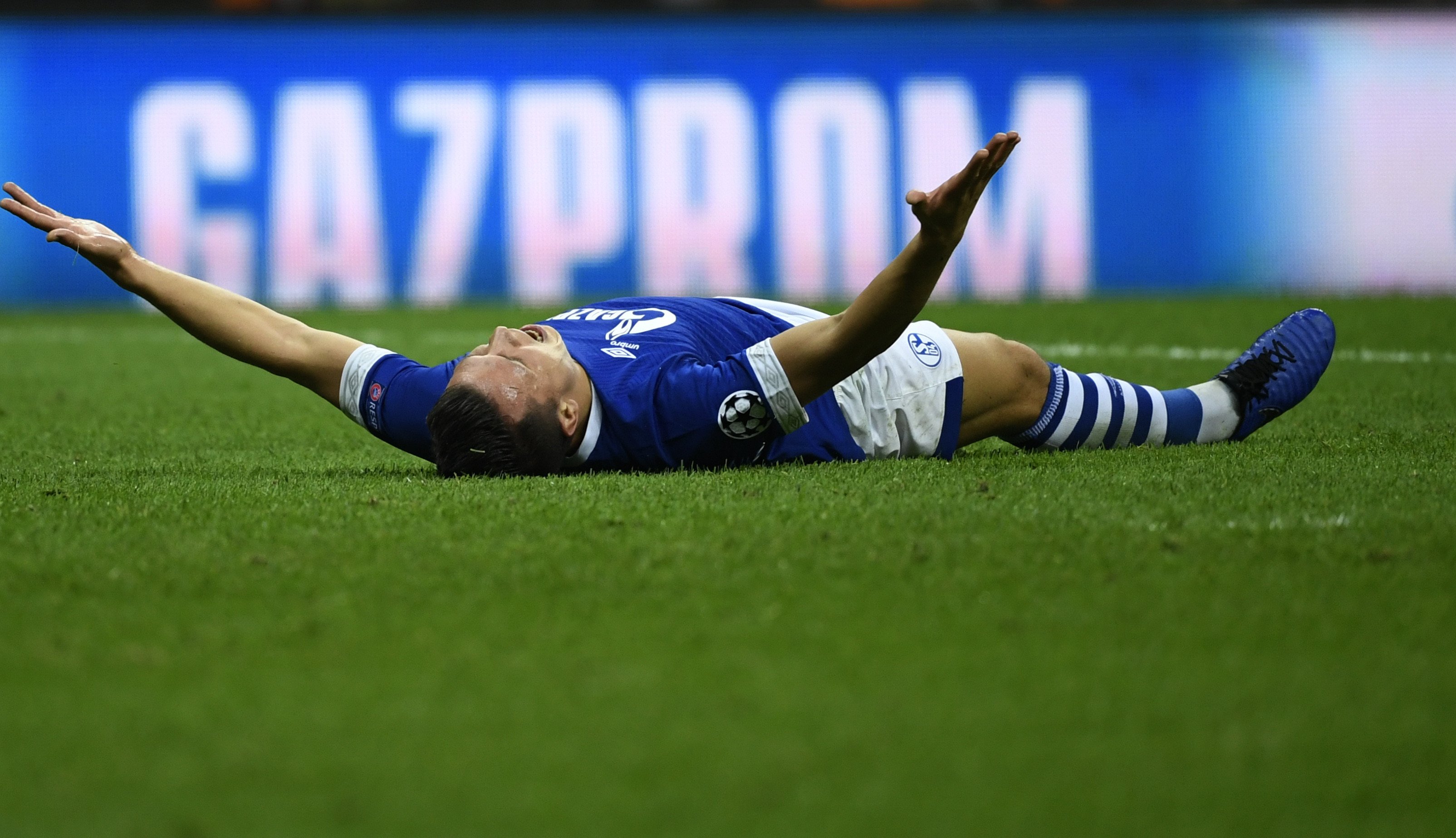
UEFA officially declares its support for peace, humanitarian values, and solidarity among its member nations. Yet since 2012, the organization had been receiving money from Russia’s Gazprom. Even Russia’s attempted annexation of Crimea and its invasion of eastern Ukraine in 2014 did not prevent those payments from continuing. For example, the value of Gazprom’s Champions League sponsorship deal for the 2018–2021 seasons amounted to €210.63 million ($246.88 million).
And even after the start of Russia’s full-scale invasion of Ukraine, UEFA has provided ample grounds for criticism, beyond fining Ukrainians for internationally recognized statements.
Paying for aggression
Football clubs that fail to qualify for European competitions receive so-called “solidarity payments.” The idea is to allow them to grow and remain competitive in their domestic leagues.
In 2022, Russian teams were barred from international tournaments, but the financial support was left in place. UEFA has already transferred more than €10.8 million ($12.7 million) to them in such payments. According to The Guardian, during the 2022–2023 season, the Russian Football Union received €3.3 million ($3.8 million) from UEFA; in 2023–2024, €3.38 million ($3.9 million); and €4.22 million ($4.9 million) is planned for 2024–2025. In 2021–2022, the payment totaled €6.2 million ($7.3 million).
If representatives of the aggressor state continue to receive such payments, then surely the country where Russians have destroyed more than 800 sports facilities would receive them as well—right? In fact, five Ukrainian clubs have already said no. Chornomorets, Real Pharma (Odesa), Metalurh (Zaporizhzhia), Phoenix-Mariupol, and Metalist 1925 (Kharkiv) have stated that for two consecutive seasons, they have been unable to receive their “solidarity” payments.
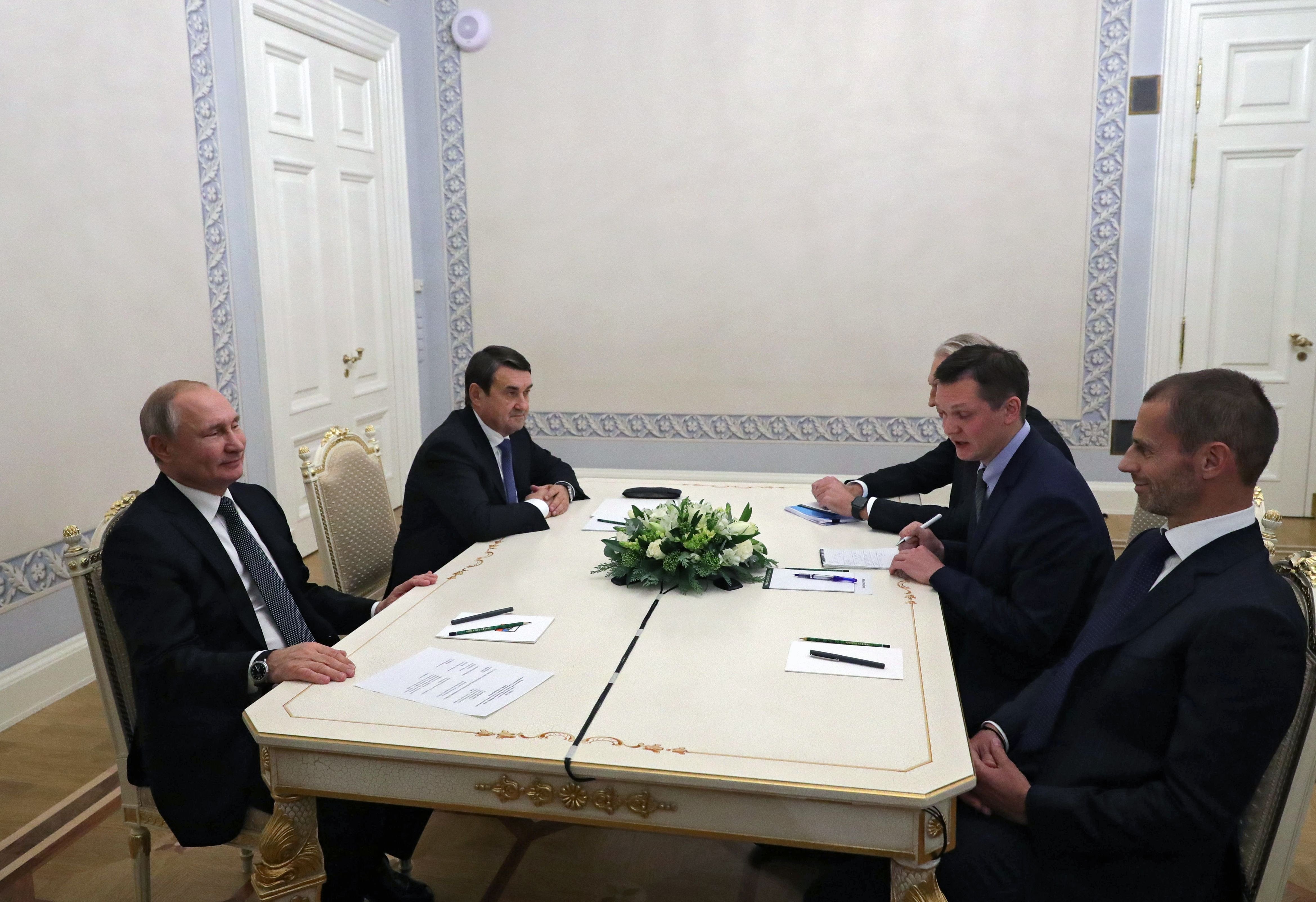
In a letter to UEFA President Aleksander Čeferin, they said the obstacle was requirements imposed by a Swiss bank, allegedly linked to their location in a “combat zone.” In reality, however, Putin can only dream of occupying cities such as Odesa, Zaporizhzhia, or Kharkiv, while Phoenix, originally from Mariupol, is currently based in the western Ukrainian city of Lviv, far from the front line.
UEFA, for its part, has provided no public explanations or comments regarding the solidarity payments.
A fixed game
Can clubs that do not play still win? Of course—if it is Russia, with UEFA’s help. Although Russian teams are barred from international matches, UEFA continues to award points to Russia in its coefficient rankings. A country’s position in that table determines its representation in European competitions: the higher the ranking, the more clubs are admitted to prestigious tournaments. The points awarded by UEFA mean that in future seasons, Russian clubs could be entitled to more European slots.
They are not allowed to play, but points and money continue to flow. It is hard to imagine a more comfortable suspension.
No red cards for violations
Despite Russia’s official suspension, the country remains a member of UEFA—and even influences the organization’s decisions. Russian officials have retained, or even gained, positions on various committees.
Until recently, one of the key bodies—the UEFA Executive Committee—included Alexander Dyukov, the former president of Zenit St. Petersburg, Putin’s hometown club, and the head of the Russian Football Union. He is also chairman of the board of Gazprom Neft, one of Russia’s leading oil producers and refiners.
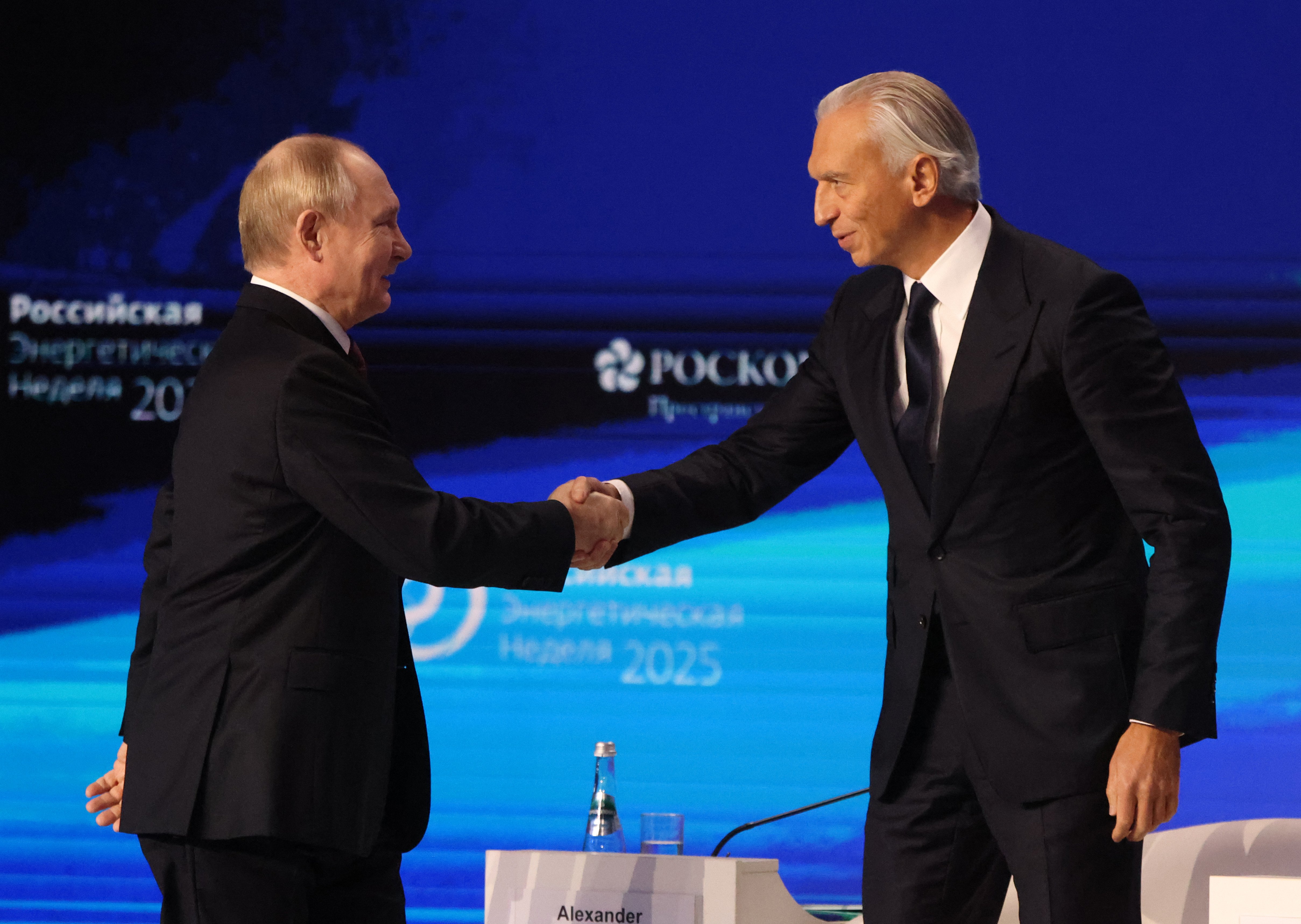
Gazprom even has its own private military company, known as “Potok,” which, among other things, took part in the notorious battle for Bakhmut. After Russia’s full-scale invasion of Ukraine, Dyukov, as one of Putin’s associates, came under sanctions from the United States, the United Kingdom, Australia, and New Zealand. Yet he was warmly welcomed at UEFA, where he remains vice chair of the National Associations Committee. Notably, that very body is responsible for suspending the membership of a UEFA association—something that, by coincidence, never happened to Russia.
In addition, the list of honorary members of the Executive Committee includes Vyacheslav Koloskov, who ran football in the Soviet Union and later headed Russian football for many years. Overall, according to UEFA’s website, its standing committees currently include ten Russians and five Belarusians. By comparison, there are only seven Ukrainians.
UEFA documents also show that the separate Governance and Compliance Committee includes Polina Yumasheva, a Russian national. She was married to billionaire oligarch Oleg Deripaska, one of Putin’s closest associates, when she first obtained the position. She is also the daughter of Valentin Yumashev, who remained an adviser to Putin during Russia’s full-scale invasion of Ukraine.
Welcome back?
In 2023, UEFA attempted to bring Russia’s national team back into international football. At the time, the continental federation said it would allow Russian youth teams to compete under a neutral flag at the 2024 European Under-17 Championships for boys and girls.
“By banning children from participating in our competitions, we not only fail to recognize and support their fundamental right to holistic development, but we also discriminate against them,” UEFA President Aleksander Čeferin said.
In response, Ukraine decided to boycott the tournament. Eleven other European countries soon joined the boycott, including England, Sweden, Poland, and the Nordic states. Only under that pressure did UEFA ultimately reverse its decision.
Later, Čeferin expressed his disappointment in a local Slovenian outlet: “These [Russian] children do not take part in elections, they do not support any authorities because they are minors, but, more importantly, they are now definitely being raised in an atmosphere of hatred and fear.”
It might have been easier for UEFA to abandon its decision had it remembered the 20,000 non-Russian—but Ukrainian—children who were illegally deported to Russia. It was precisely over this issue that the International Criminal Court issued an arrest warrant for Putin. The Kremlin is now using every possible means to turn those 20,000 children, along with children from occupied territories, into Russians. It is therefore likely that after UEFA’s next attempt to reinstate the aggressor, these Ukrainians could be playing for the Russian national team. An assist to an international crime—why not?
An own goal
These are just a few examples of how European football’s top governing body continues to look favorably toward Russia. Perhaps UEFA simply misses the friendship and sponsorship contracts with Russia’s Gazprom that it was forced to sever in February 2022.
Yet that did not prevent Putin’s oil and gas giant from returning to top-level European football. Amid the same UEFA’s silence, Gazprom proudly displayed its logo on the shirts of Serbia’s Red Star Belgrade in the Champions League.
Discuss this article:




-c439b7bd9030ecf9d5a4287dc361ba31.jpg "Photo of Katherina Popilnichenko")