- Category
- Latest news
Kremlin Channels $11.3 Billion to State Banks Amid Mounting Loan Defaults
 Prefer U24 Media on Google
- Authors


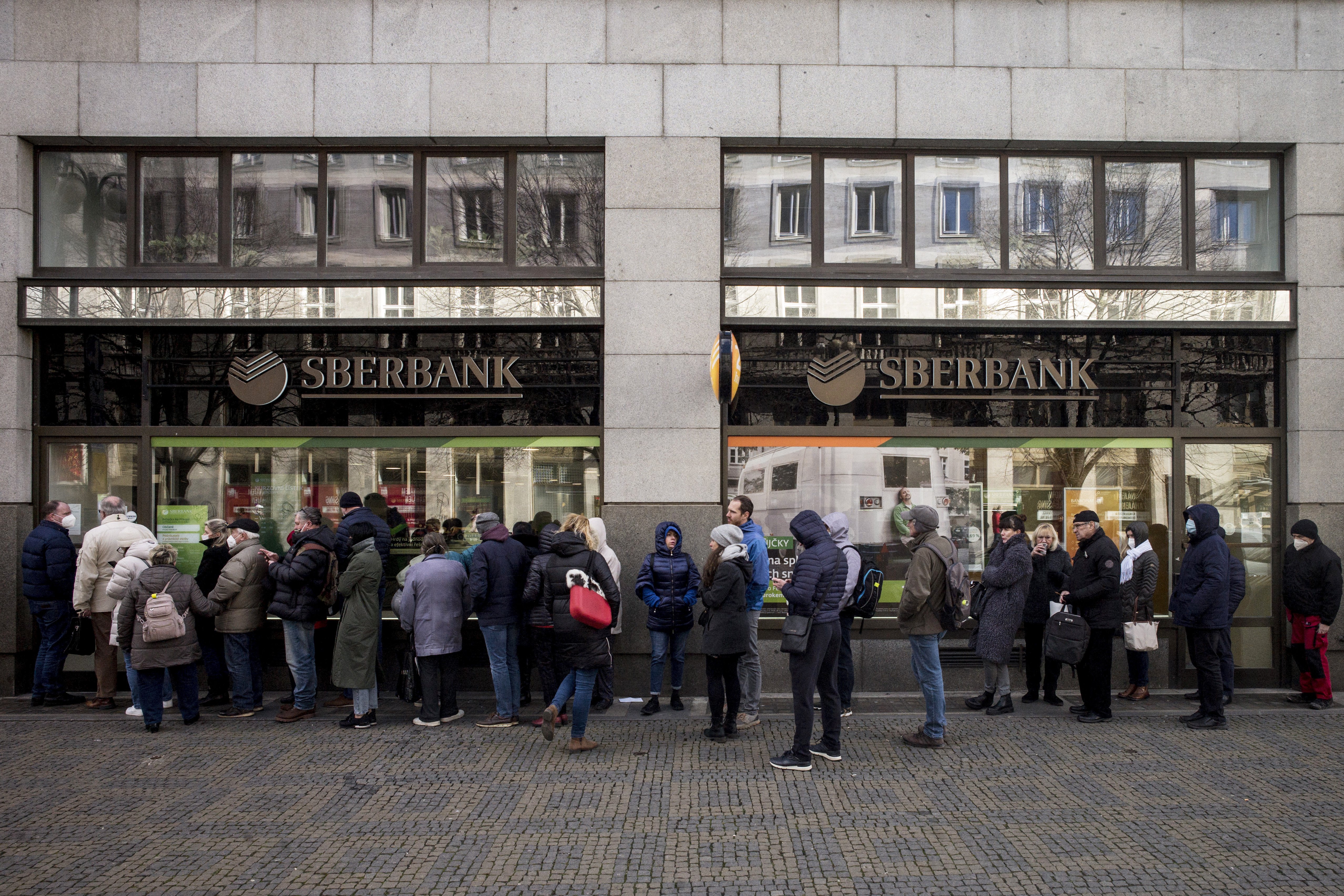
Russian state-owned banks became the primary recipients of funds from the National Wealth Fund (NWF) in 2025, The Moscow Times reported on January 22, citing data from the Ministry of Finance.
Over the course of the year, banks received approximately $11.3 billion from the NWF—more than 90% of the fund’s total investment spending, which stood at around $12.2 billion.
Leading the pack was VEB.RF, a state development corporation often tasked with financing the Kremlin’s major infrastructure and industrial projects. VEB received about $4.5 billion across multiple tranches: subordinated deposits were issued in January, February, March, May, and December (totaling $2.38 billion), while an additional $2.14 billion in standard deposits was allocated from April through December.
We bring you stories from the ground. Your support keeps our team in the field.
Moscow Times wrote that VTB Bank received around $3.26 billion in two separate injections—$1.03 billion in May and $2.22 billion in July. Gazprombank was allocated approximately $2.18 billion across three tranches, including $1.84 billion in subordinated deposits and $333 million via preferred share purchases. Sberbank received roughly $1.04 billion, and Sovcombank—the only private bank among recipients—was granted $333 million.
Compared to 2024, when $3.89 billion was allocated, the volume of NWF injections into the banking sector nearly tripled in 2025. This surge followed growing credit defaults across the financial system.
According to Bloomberg sources, Russian bankers—including state lenders—raised internal concerns during the summer as defaults began mounting, particularly among major corporate borrowers. Defense industry plants, which may have taken out more than $222 billion in loans to support military production, were among the hardest hit, affecting banks such as VTB.
In October, economists from the government-affiliated Center for Macroeconomic Analysis and Short-Term Forecasting (CMASF) warned of a potential banking crisis, estimating the risk to be most acute in the second half of 2026.
A Russian government official confirmed to The Washington Post in December that cabinet members view the risk of both a banking and debt crisis as real and pressing.
One red flag is the growing share of non-performing loans (NPLs). According to CMASF, “bad loans” reached approximately $25.6 billion by November, up 60% since January. Broader indicators of problematic debt hit $115.6 billion by the end of Q3.
The Central Bank reported that total overdue corporate and individual loans rose by about $21.1 billion since the start of the year.

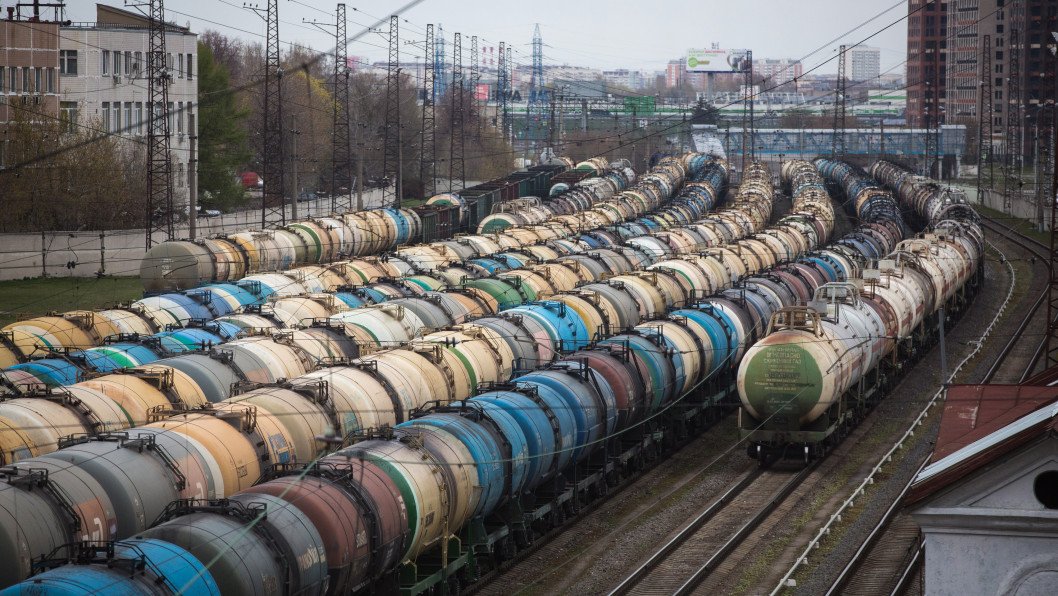
According to The Moscow Times, among large borrowers, Russian Railways (RZD) requested a debt restructuring on its $44.4 billion in loans. The Central Bank also noted that metallurgical and oil and gas companies had sought delays in repayments earlier in the year.
By the end of September, analysts at Expert RA estimated that one in four companies with outstanding loans had missed payments—the highest ratio in six years. In total, 165,000 legal entities were in arrears, 41,000 more than at the start of the year and 100,000 more than before the war.
“The financial condition of many companies is deteriorating, especially in export-driven sectors where revenues are falling due to declining external demand and lower prices,” said Renat Akhmetov, lead analyst at CMASF.
He warned that the official banking data may understate the crisis, as a significant portion of non-performing loans is disguised through restructuring. A full-blown bad debt crisis in the corporate sector could emerge by Q3 or Q4 of 2026, he added.
Previously, it was reported that Russians have begun encountering bank card and account blocks when attempting to pay for tours abroad. According to the Russian Association of Tour Operators (ATOR), this issue arose due to stricter controls on transfers through the Fast Payment System (FPS) as part of efforts to combat fraud.
Discuss this article:
-ee9506acb4a74005a41b4b58a1fc4910.webp)






-c439b7bd9030ecf9d5a4287dc361ba31.jpg "Photo of Katherina Popilnichenko")