- Category
- Latest news
Russia to Replace Topol-M With Hypersonic Nuclear Missiles in 2026 Showdown
 Prefer U24 Media on Google
- Authors


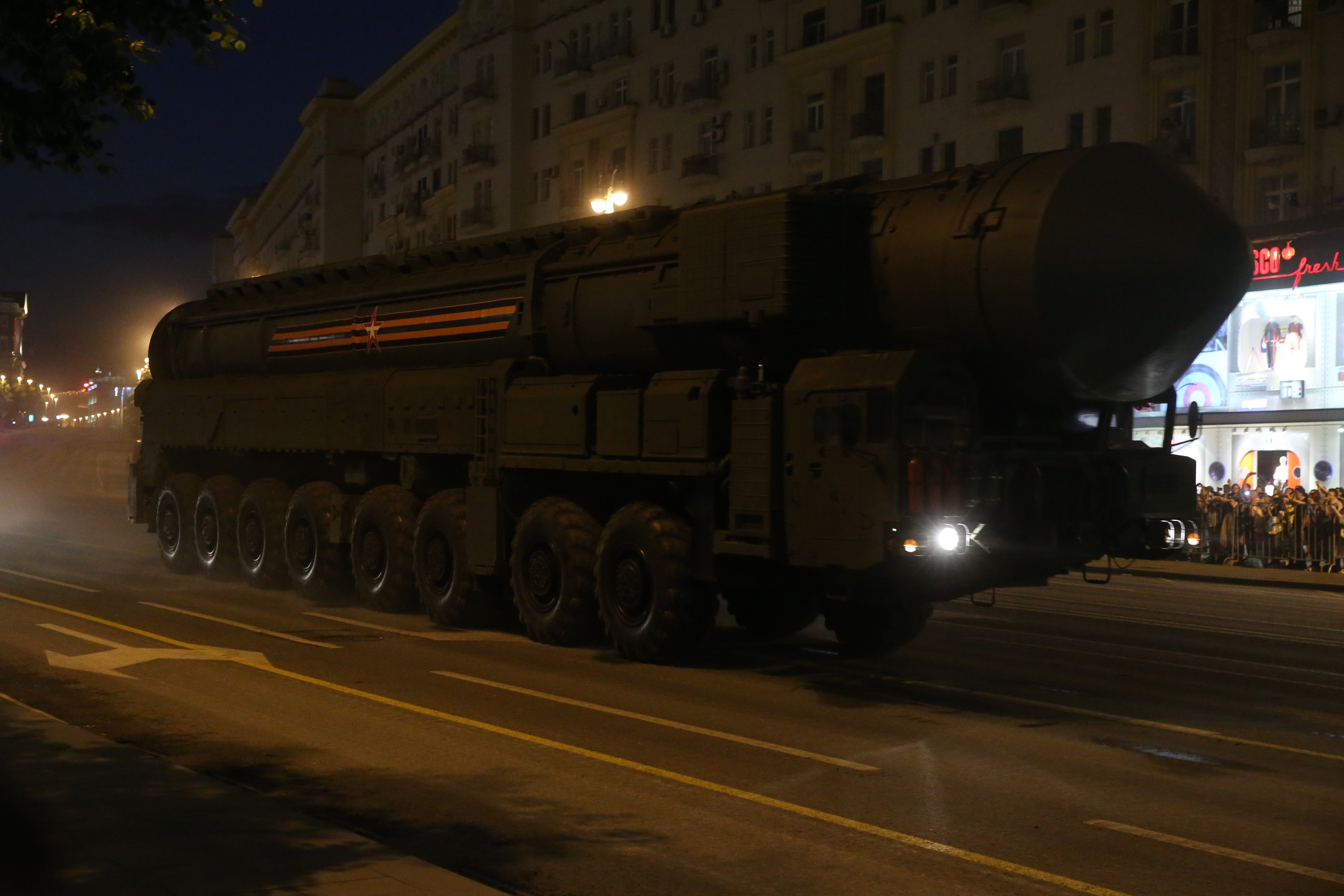
Russia is preparing to test a new generation of solid-fuel intercontinental ballistic missiles (ICBMs) in 2026 as part of a program to replace its aging Topol-M systems, Izvestia reported on January 12, citing defense sources.
The upcoming trials are expected to include both silo-based and mobile-launch variants, with the missiles reportedly designed to carry advanced guided hypersonic warheads.
According to Army Recognition on January 19, the new missiles are part of a broader effort to modernize Russia’s land-based nuclear deterrent.
Meet Russias AI guided, nuclear powered, unlimited range Burevetsnik missile. It can fly at multiple altitudes and routes indefinitely to evade detection
— Chay Bowes (@BowesChay) January 19, 2026
The 9M730 Burevestnik (NATO name: SSC-X-9 Skyfall) is globally unrivalled. pic.twitter.com/6avw2ru79u
The planned tests are not explicitly linked to existing systems like the RS-24 Yars or RS-26 Rubezh, suggesting a separate development track potentially tied to the secretive Kedr program.
The missiles are expected to feature enhanced solid propellants and updated payloads, distinct from the current Avangard-class hypersonic gliders.
The Topol-M, designated RT-2PM2, was the first ICBM developed by Russia after the collapse of the Soviet Union. It entered service in 2000 with the Strategic Rocket Forces and has an estimated range of 11,000 kilometers. A total of 78 units remain deployed—60 in silos and 18 on road-mobile platforms—according to Army Recognition.
-fe851b90d8a0ba797c376cd41cd6a9ac.png)
Originally produced between 1994 and 2010, the Topol-M is a three-stage, solid-fuel missile designed for rapid launch and long-term alert status. It carries a single nuclear warhead with an estimated yield of 800 kilotons to 1 megaton and includes countermeasure capabilities intended to reduce vulnerability to missile defense systems.
Later systems like the RS-24 Yars built on this platform, introducing multiple independently targetable reentry vehicles (MIRVs).
The development of new solid-fuel ICBMs with maneuverable hypersonic warheads would mark another stage in Russia’s decades-long nuclear modernization strategy.
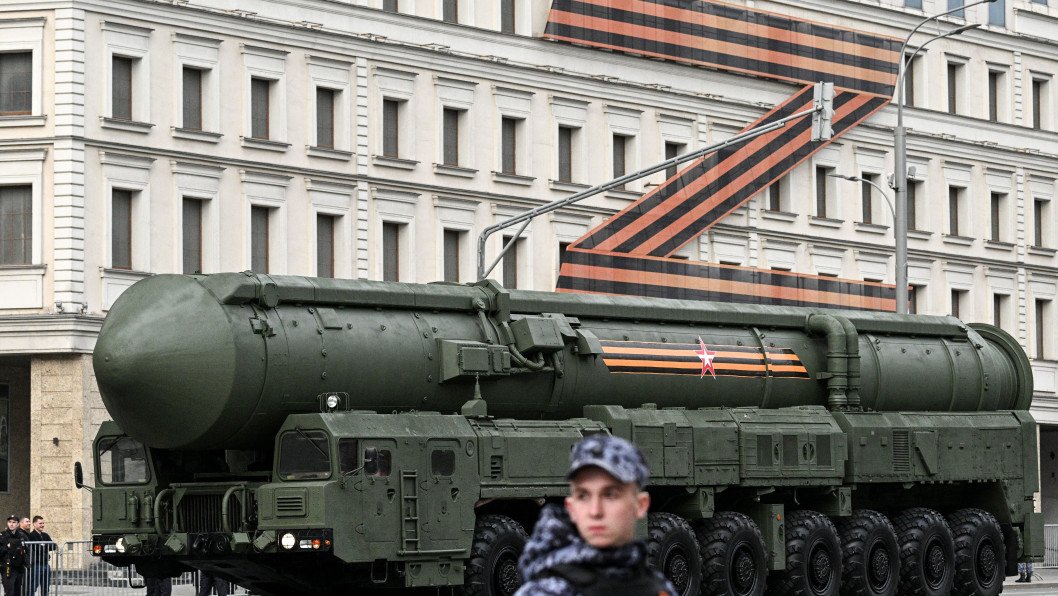
According to Army Recognition, the payload design referenced in the Izvestia report would be considered a second-generation hypersonic weapon, separate from previous programs. These new warheads would reportedly offer increased survivability and reduced predictability during reentry.
Estimates cited by Army Recognition place Russia’s total nuclear stockpile at approximately 4,309 warheads, including around 1,718 strategic warheads deployed on ICBMs, submarine-launched ballistic missiles, and heavy bombers. Of the land-based systems, roughly 330 ICBMs are believed to be operational, with a capacity to carry up to 1,254 warheads.
Earlier, Russia abruptly aborted a planned test launch of its RS-24 Yars intercontinental ballistic missile near Nizhny Tagil. The launch was expected to be visible across the Urals, but no footage surfaced, and Moscow offered no explanation. Observers noted the absence of typical visual signatures, raising questions about a potential failure or last-minute cancellation.
Discuss this article:





-c439b7bd9030ecf9d5a4287dc361ba31.jpg "Photo of Katherina Popilnichenko")