- Category
- Latest news
Russia Turned One of Ukraine’s Most Unique Coastal Ecosystems Into a War Zone
 Prefer U24 Media on Google
- Authors




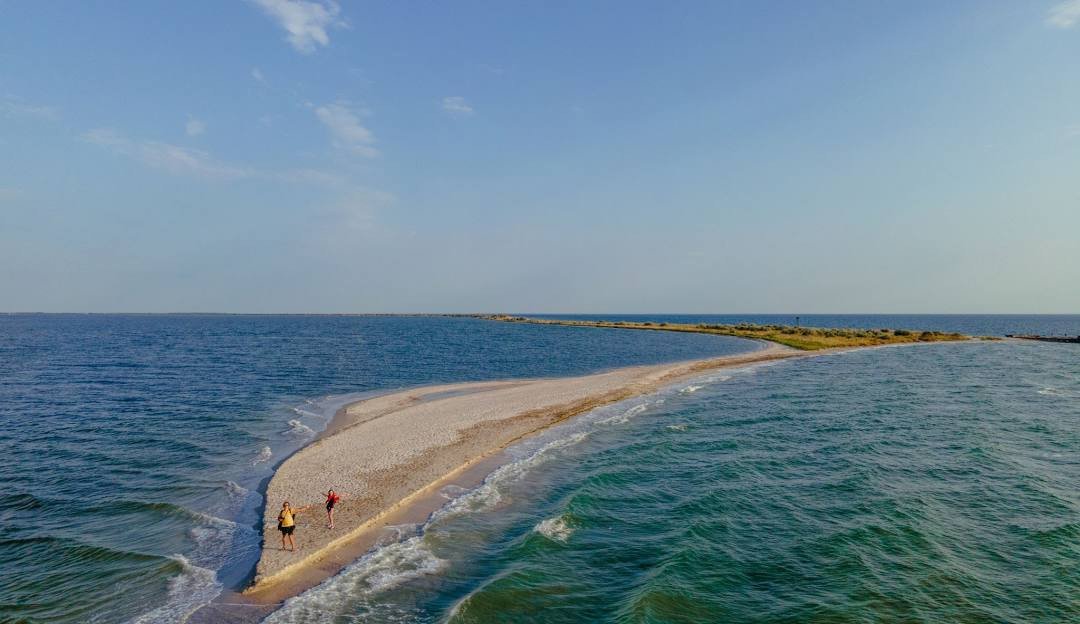
A unique part of the Black Sea and the Dnipro-Buh estuary has suffered catastrophic damage as a result of Russia’s full-scale invasion, according to the Ukrainian Navy.
Spokesperson for the Naval Forces of the Armed Forces of Ukraine, Dmytro Pletenchuk, told Ukrinform that one of the most valuable coastal ecosystems in southern Ukraine—the Kinburn Spit—has been “practically destroyed.”
“Kinburn was a special place, both for residents of the Mykolaiv region and for the entire south. Its condition today is critical—the spit has suffered devastating losses. Whether it can be restored remains uncertain,” Pletenchuk said.
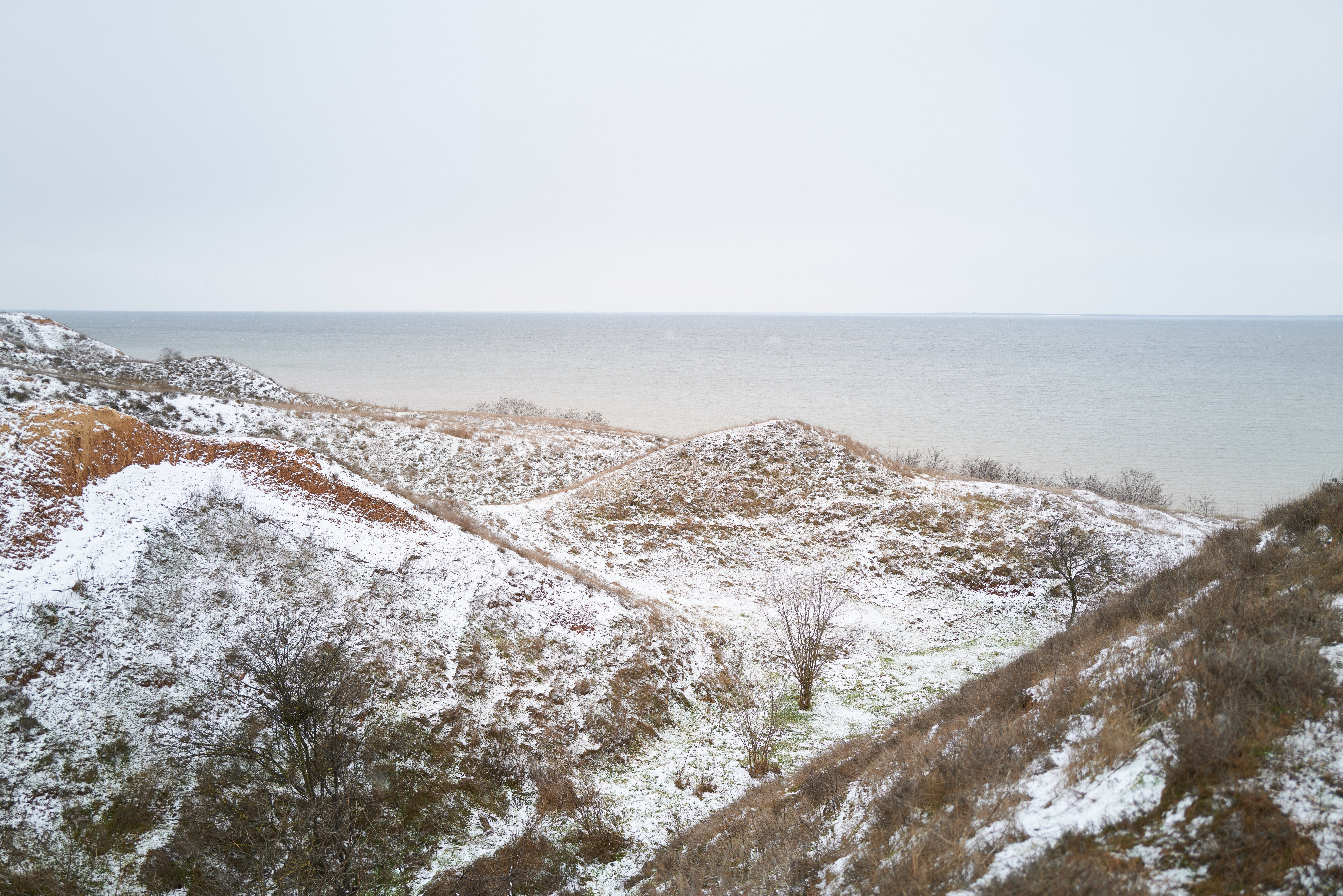
Located at the intersection of the Black Sea and the Dnipro-Buh estuary, the Kinburn Spit forms a natural boundary between two key marine zones. It plays an essential role in regulating currents, supporting marine fauna, and maintaining the ecological balance of the region’s waters.
According to Pletenchuk, the environmental damage extends far beyond Kinburn. Coastal and marine ecosystems near Crimea have also suffered, with research suggesting a mass die-off of Black Sea dolphins. Environmental specialists from the Odesa region have reported oil slicks reaching local beaches.
The Navy spokesperson added that Russia continues to block access for international environmental missions to the occupied Black Sea coastline, preventing independent assessments of the ecological disaster’s full scale.
A lost natural landmark of southern Ukraine
The Kinburn Spit, located roughly 7 kilometers from the city of Ochakiv in the Mykolaiv region, is a narrow sandbar stretching between the Black Sea and the Dnipro-Buh estuary. It serves as a continuation of the Kinburn Peninsula and has long been one of Ukraine’s most distinctive coastal landscapes.
Before the full-scale invasion, the area was part of the Black Sea Biosphere Reserve, home to rare flora and fauna, including migratory birds and marine species found nowhere else in the region. Its lagoons, salt marshes, and dunes supported one of the most biodiverse ecosystems along the Ukrainian coast.
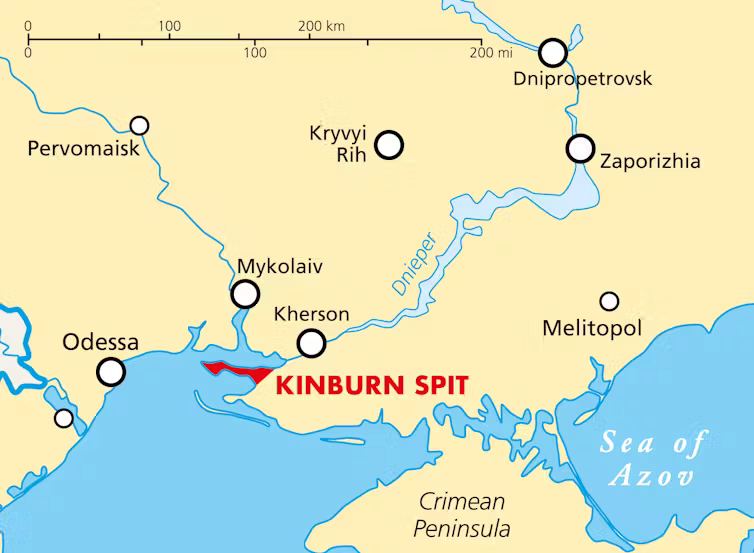
The Kinburn Spit also held strategic and historical importance. In modern times, it became a site of intense fighting after Russia occupied parts of southern Ukraine in 2022. The area’s position allowed Russian forces to threaten Mykolaiv and disrupt access to Ukrainian ports, turning a protected nature reserve into a military zone.
Ukrainian officials and environmental experts say the ecological consequences of this militarization are severe. Fires caused by shelling, pollution from fuel and explosives, and the construction of military infrastructure have permanently altered the terrain. Satellite images show large sections of burned forest and destroyed coastal vegetation.
Pletenchuk also cited the nearby Askania-Nova biosphere reserve in the Kherson region as another example of environmental destruction. “That same reserve is in danger… Environmentalists are sounding the alarm,” he said on Ukrainian television.
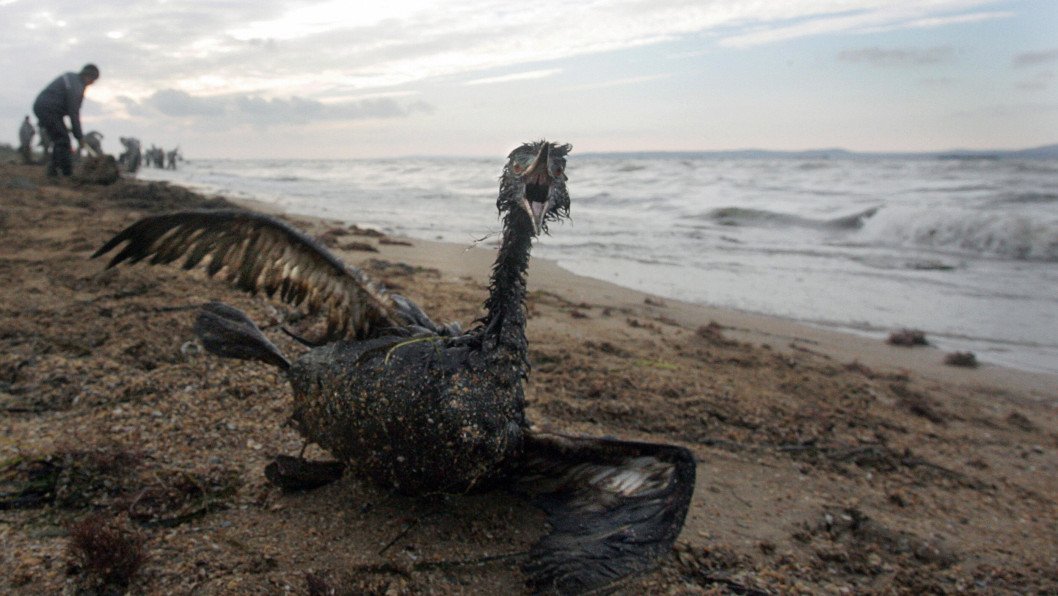
Environmental organizations warn that the restoration of Kinburn could take decades—if it is possible at all. The combination of saltwater contamination, disrupted hydrology, and long-term soil degradation may render the ecosystem permanently altered.
Earlier, Ukrainian officials reported that Russian forces had amassed around 300 boats in the Kherson region in preparation for a possible airborne assault across the Dnipro River. According to Yurii Tkachuk of the National Guard’s Omega unit, Russia was moving equipment along the Kinburn Spit and attempting to seize islands to expand its drone and mortar strike range.
Discuss this article:



-c439b7bd9030ecf9d5a4287dc361ba31.jpg "Photo of Katherina Popilnichenko")