- Category
- Latest news
Russia Seeks South Asian Migrant Labor to Offset Severe Workforce Shortages
 Prefer U24 Media on Google
- Authors


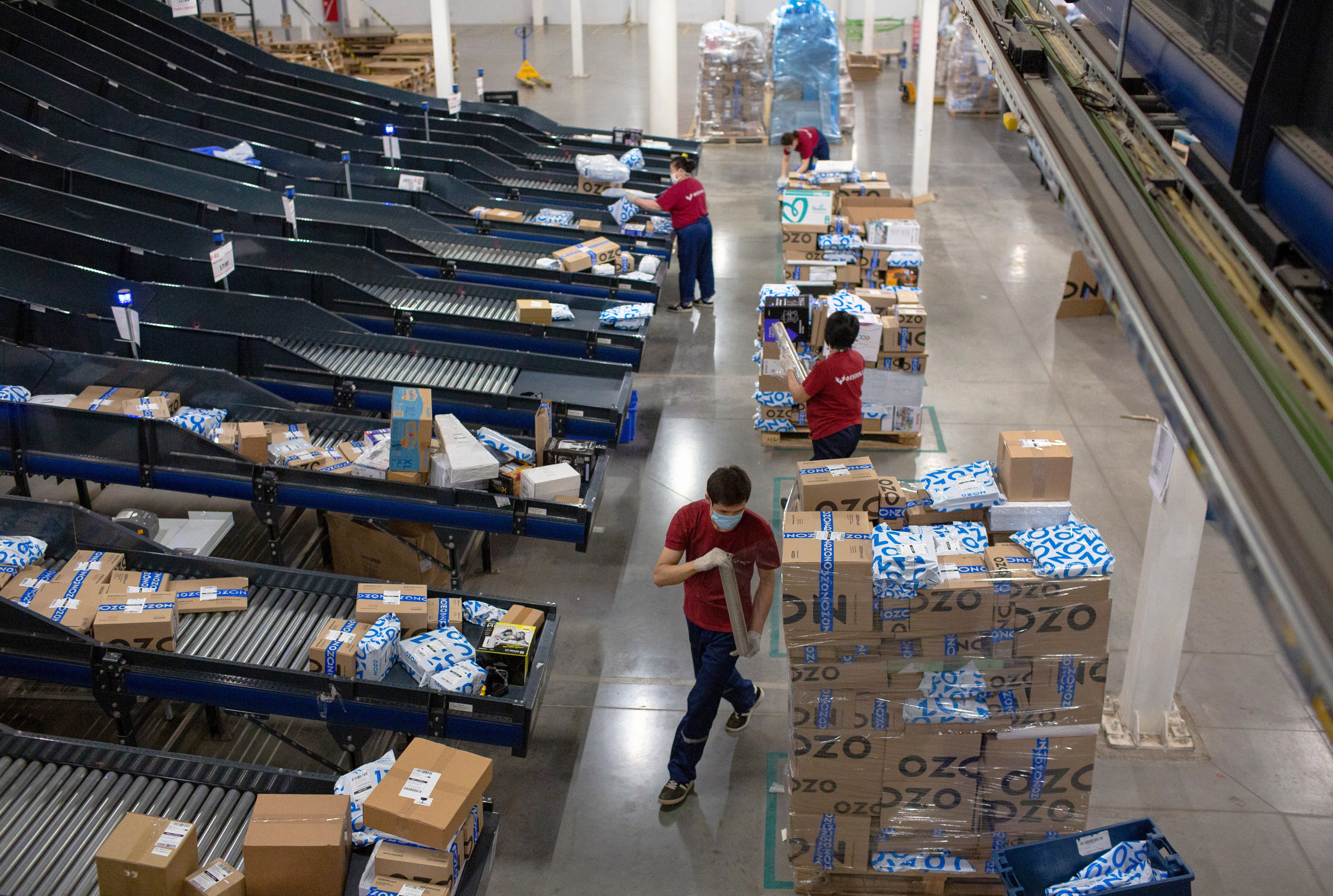
Russian companies are preparing to recruit migrant workers from Nepal, Vietnam, and Bangladesh to offset a worsening labor shortage, Sergei Katyrin, president of the Russian Chamber of Commerce and Industry, told Gazeta.ru, as reported by The Moscow Times.
He said these countries have the demographic capacity to supply large groups of workers for long-term contracts, but noted that Moscow still needs to build more transparent recruitment and adaptation systems.
According to The Moscow Times, businesses in construction, retail, and services are especially dependent on foreign labor as Russia struggles with workforce deficits. Katyrin claimed that wages in Russia are 1.5 times higher than in these countries, making the offers attractive for migrants. Traditionally, Russia relied on workers from Central Asia—Uzbekistan, Tajikistan, and Kyrgyzstan—but competition for this labor pool is rising from Turkey and the Middle East.
Over the past year, Russia has already expanded recruitment from India, increasing quotas to nearly 72,000 workers. The flow of Indian migrants grew by almost 25%, with average wages in construction and services reportedly 60% higher than at home. Katyrin predicted that the number of Indian workers in Russia will continue to grow in 2026.
-b6ee4c6cf1e1afa682f60551181f4534.jpg)
The shortages are directly linked to the war against Ukraine. At least 300,000 men have been mobilized and sent to the front, another 500,000 signed contracts with the Defense Ministry, and between 600,000 and 1 million left the country, the Moscow Times reported. At the same time, defense plants sharply increased production, demanding more staff, while authorities launched an anti-migrant campaign that complicated conditions for workers from post-Soviet states.
As a result, unemployment in Russia fell to a record-low 2.2% in May, according to Rosstat. A Central Bank survey showed that 22% of companies see staff shortages as one of the main barriers to operations, second only to rising costs, cited by 30%.
The Kremlin is also attempting to mobilize internal reserves by resuming pension indexation for working retirees and simplifying the hiring of minors. Yet Central Bank Governor Elvira Nabiullina warned that even if current labor market pressure eases, Russia will continue to feel the effects of “serious structural changes” in the economy for years to come.
Earlier, Ukraine’s military intelligence agency reported that Russia is recruiting men from Syria and sending them to the frontlines in eastern Ukraine to be used as cannon fodder.
Discuss this article:
-6c7b568bf1f65853b7afd9dc1c3ca1fe.jpeg)






-72b63a4e0c8c475ad81fe3eed3f63729.jpeg "Photo of Cyril Barabaltchouk")