- Category
- Latest news
Russia Unveils Mi-80 Helicopter to Replace the Mi-8—Just One Problem: It’s Still Imaginary
 Prefer U24 Media on Google
- Authors



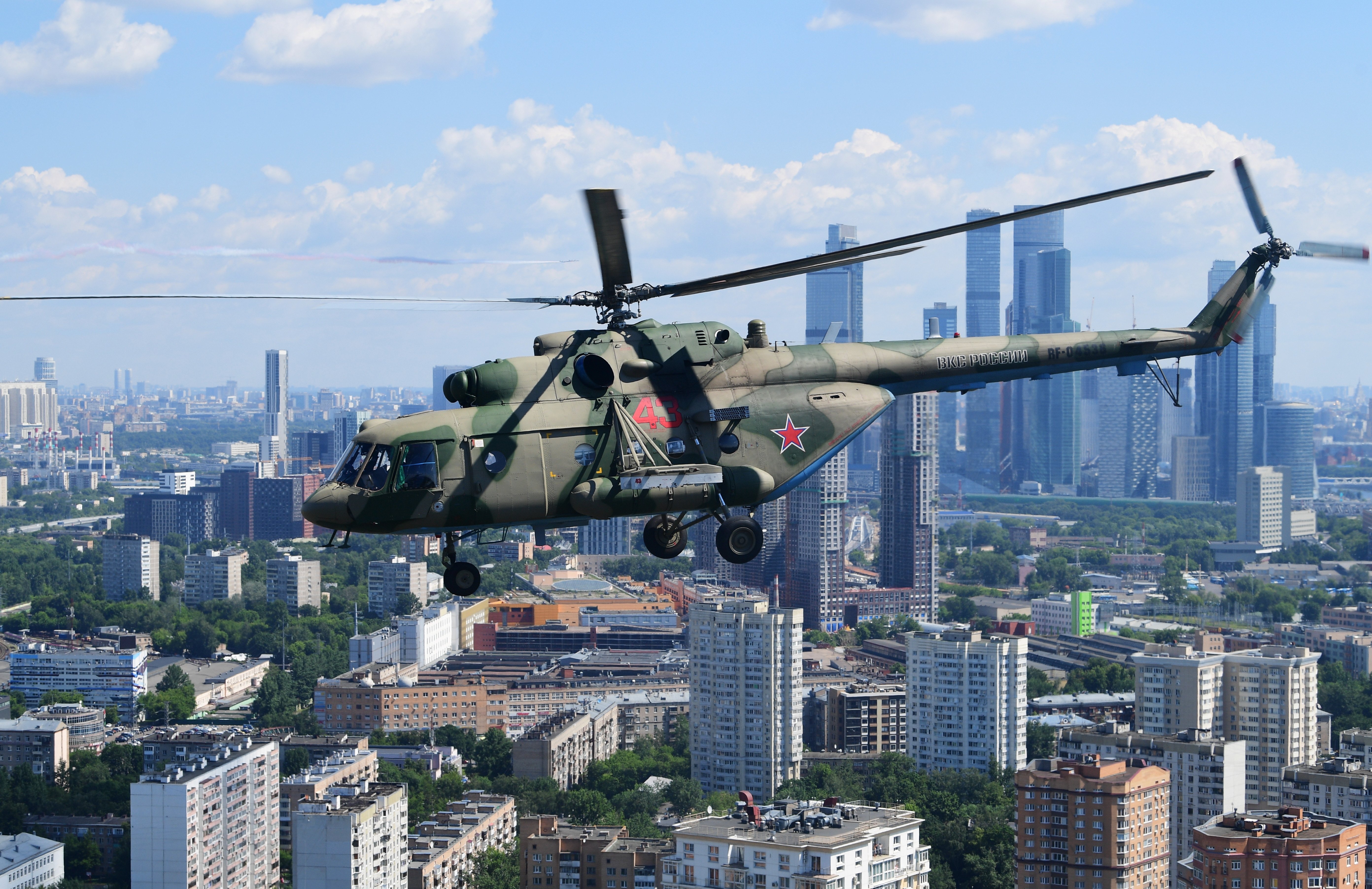
Russia has launched the development of a new multirole helicopter—the Mi-80—to eventually replace its long-serving Mi-8/17 “Hip” fleet.
However, despite ambitions to modernize and consolidate rotary-wing production, the project remains stalled at the technical specification stage due to unresolved funding and structural inefficiencies within the industry.
According to Army Recognition on July 12, the Mi-80 is based on the Mi-171A3 offshore platform and aims to incorporate several upgrades, including composite rotor blades, an X-shaped tail rotor, and a crash-resistant fuel system positioned beneath the cabin floor.
The helicopter is expected to feature a modern avionics suite designed for day and night operations in diverse terrain, with a maximum takeoff weight of up to 14 tons.
The program’s stated goals include reducing production costs and unifying manufacturing processes at two long-divided facilities—the Kazan Helicopter Plant and the Ulan-Ude Aviation Plant.
These factories have historically produced divergent Mi-8 variants, complicating spare parts logistics and maintenance across Russia’s helicopter fleet. The Mi-80 is intended to address this fragmentation by standardizing production under a single platform.
However, the project faces the same challenges that led to the failure of previous modernization efforts, including the “Gaston” initiative of the late 1990s.
According to multiple reports, the Mi-171A3—the Mi-80’s direct predecessor—suffered from being overweight, under-ranged, and significantly more expensive than planned.
Without solving persistent issues like rotor hub modernization and overall cost control, the Mi-80 risks repeating those shortcomings.
Despite a stated deadline of 2030 for full fleet replacement, no prototype has been completed, and no large-scale contracts have been signed. The only related procurement involves six Mi-171A3 units scheduled for delivery in 2026, with each airframe costing over 1.1 billion rubles (approximately $12 million).
Industry observers note that ongoing Western sanctions, resource shortages, and battlefield attrition are further straining Russia’s ability to deliver on its aviation goals.
While the Mi-8 has proven to be one of the most versatile helicopters in global use since its introduction in the 1960s, efforts to transition away from Soviet-era platforms continue to expose deep structural problems within the Russian defense sector.
The Mi-80, if completed, could offer gains in efficiency and durability. But for now, the program highlights more about the limits of Russia’s industrial capacity than any imminent breakthrough in aerospace modernization.
Earlier, Russia announced plans to revive its position in the global arms market by promoting systems like the S-500 air defense complex, combat drones, and upgraded tanks. However, previous attempts—such as selling BMP-3s to Vietnam or competing with Chinese tanks in Algeria—have shown limited success, raising doubts about actual demand and production capacity.
Discuss this article:


-c439b7bd9030ecf9d5a4287dc361ba31.jpg "Photo of Katherina Popilnichenko")