- Category
- Latest news
Russia Unveils New MiS-150 Drone to Replace Failed Predecessor
 Prefer U24 Media on Google
- Authors


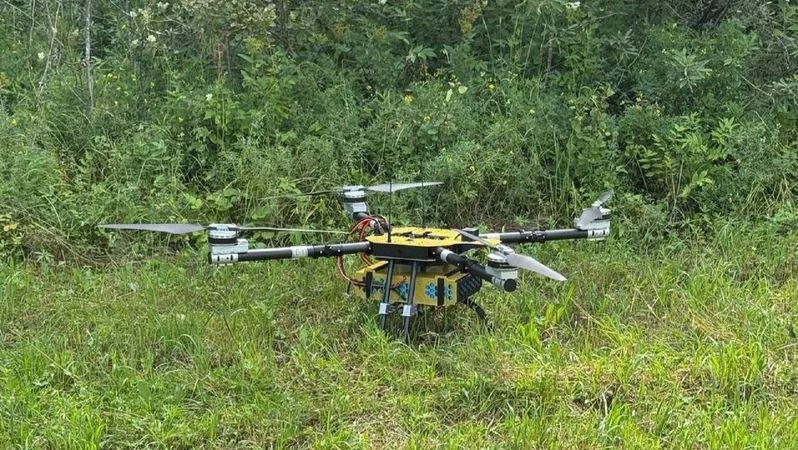
Russia has introduced a new unmanned aerial vehicle, the MiS-150, a heavier and more capable version of its earlier MiS-35 drone, which reportedly failed to meet expectations on the battlefield.
According to Defense Express on August 3, the original MiS-35—a hexacopter equipped with 82mm mortar rounds and PG-7 anti-tank projectiles—was widely promoted by Russian sources in 2024 as a compact strike drone, often compared to Ukraine’s “Baba Yaga” platform.
However, in operational use, Russian forces reportedly employed the MiS-35 for logistical rather than combat purposes in 70% of missions, due to its limited payload capacity.
In response, Russia’s MiS design bureau developed the MiS-150, a larger drone designed to carry out offensive operations. With a maximum payload capacity of 15 kilograms—up from 4.5 kilograms in the previous model—the MiS-150 is intended to deliver heavier munitions such as TM-62 anti-tank mines.
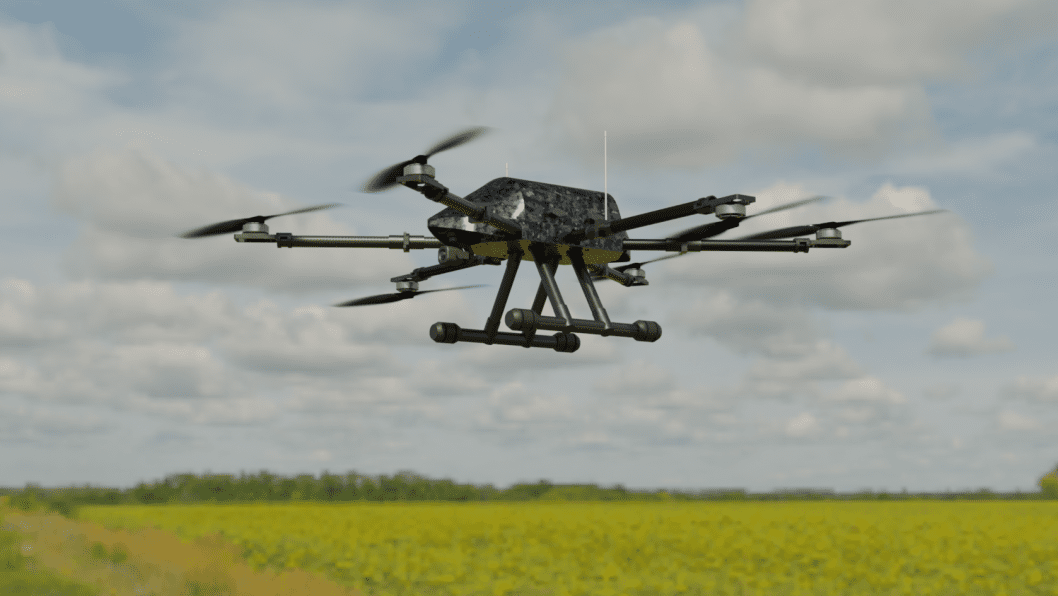
Its operational range has also been extended from 9 kilometers to 12 kilometers.
The MiS-150 is expected to be equipped with the “Povodyr” guidance system, which allows the drone to operate in environments with electronic warfare interference by helping it evade jamming zones. While Russian developers state the drone can still support logistical roles, it is primarily positioned as a combat-capable platform.
Earlier, Russia began deploying a jet-powered variant of the Iranian Shahed-238 drone, rebranded as the Geran-3, in attacks on Ukrainian cities.
According to Ukrainian defense officials, the high-speed drone—capable of reaching 600 km/h and flying at altitudes up to 9 km—resembles a cruise missile in performance and poses a serious challenge to Ukraine’s air defenses.
Evidence of its use first surfaced in February 2025, with debris recovered in June confirming serial production.
Discuss this article:


-c439b7bd9030ecf9d5a4287dc361ba31.jpg "Photo of Katherina Popilnichenko")

-111f0e5095e02c02446ffed57bfb0ab1.jpeg "Photo of Roman Kohanets")

-72b63a4e0c8c475ad81fe3eed3f63729.jpeg "Photo of Cyril Barabaltchouk")