- Category
- Latest news
Russian Drone Strike in Ivano-Frankivsk That Killed Child Traced to Japan Technology
 Prefer U24 Media on Google
- Authors

-111f0e5095e02c02446ffed57bfb0ab1.jpeg "Photo of Roman Kohanets")
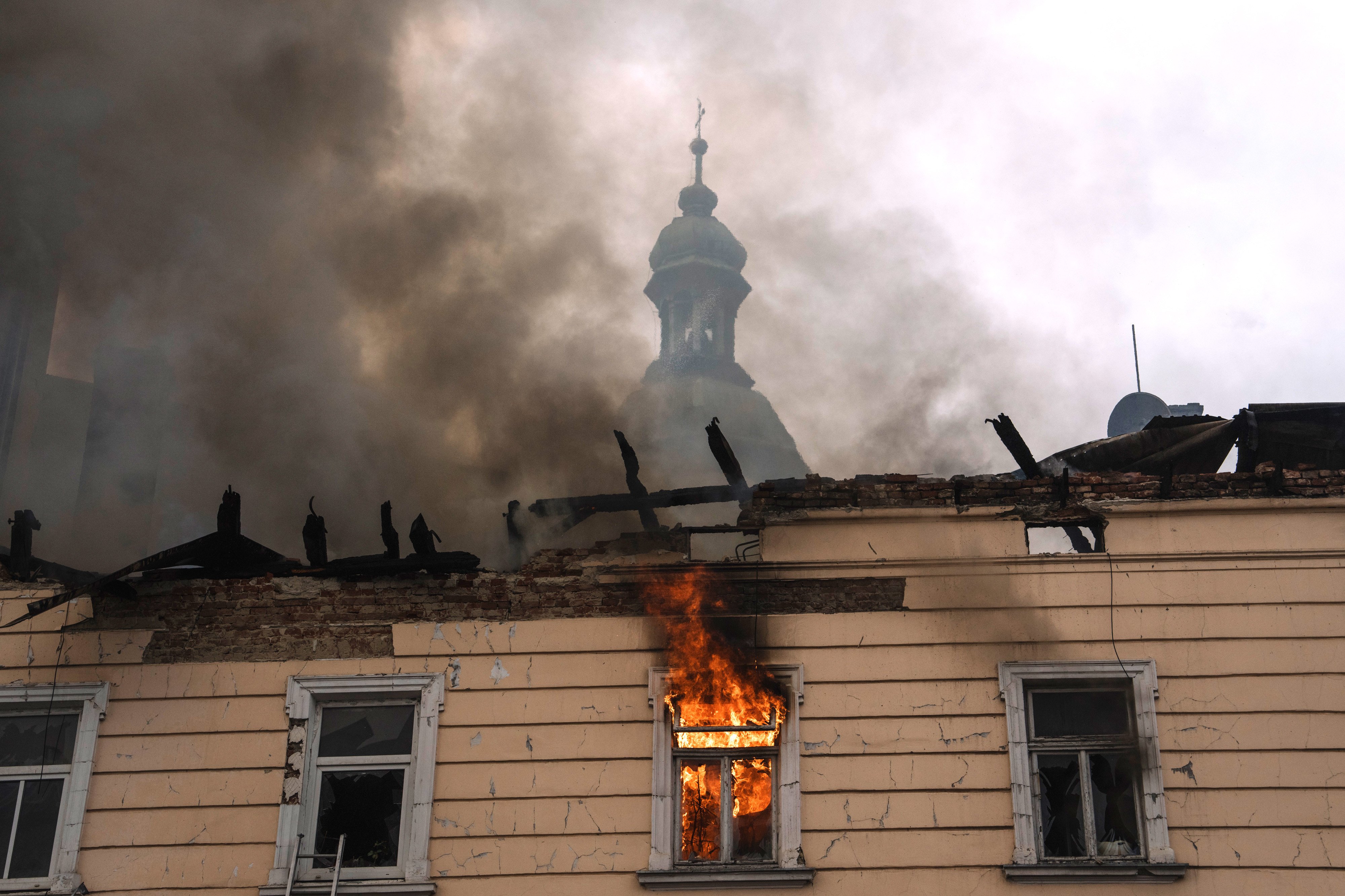
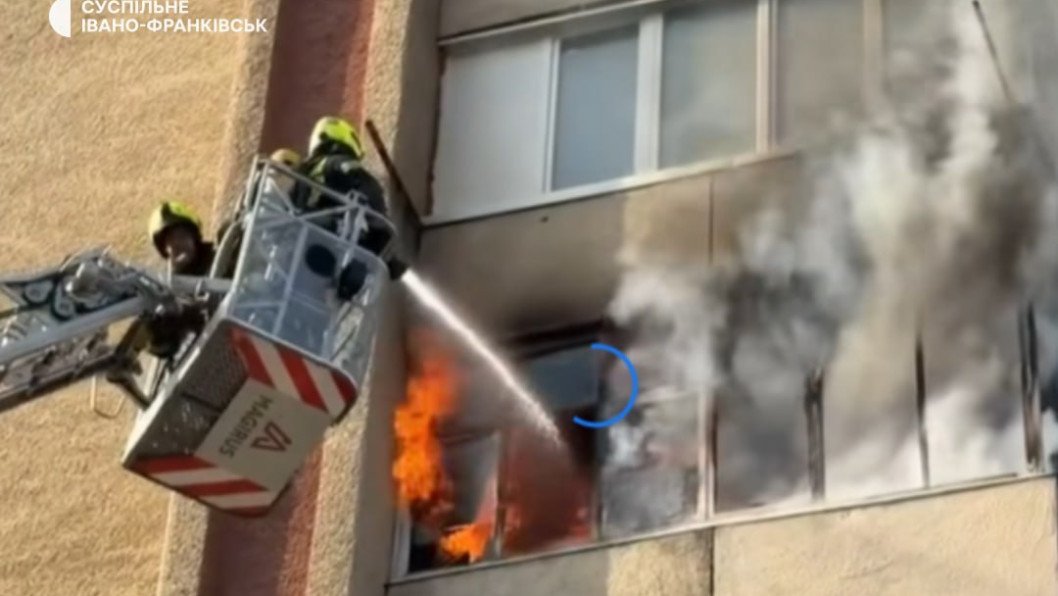
On March 24, a Russian drone strike on Ivano-Frankivsk killed National Guardsman Volodymyr Shkrumeliak and his 15-year-old daughter Aneliia. They were visiting his wife and their newborn son at a maternity hospital when the strike occurred.
Tracing the origins of the drones that killed civilians reveals the complex international networks sustaining Russia’s drone production.
We bring you stories from the ground. Your support keeps our team in the field.
In a new update to its War&Sanctions “Instruments of War” database, the Main Directorate of Intelligence of Ukraine published data on 66 pieces of foreign technological equipment used by Russian military-industrial enterprises
A forensic comparison prepared by the Kyiv Scientific Research Institute of Forensic Expertise links the Geran-2 recovered in Ivano-Frankivsk on March 24, 2026, to a chain of non-Russian components, including several from Japan.
The document identifies a Murata Manufacturing six-axis inertial module, Nihon Dempa Kogyo crystal resonators, a TDK capacitor, and Japanese-linked Renesas hardware in the same drone family, alongside Rubycon and Nichicon capacitors found in the comparison set.
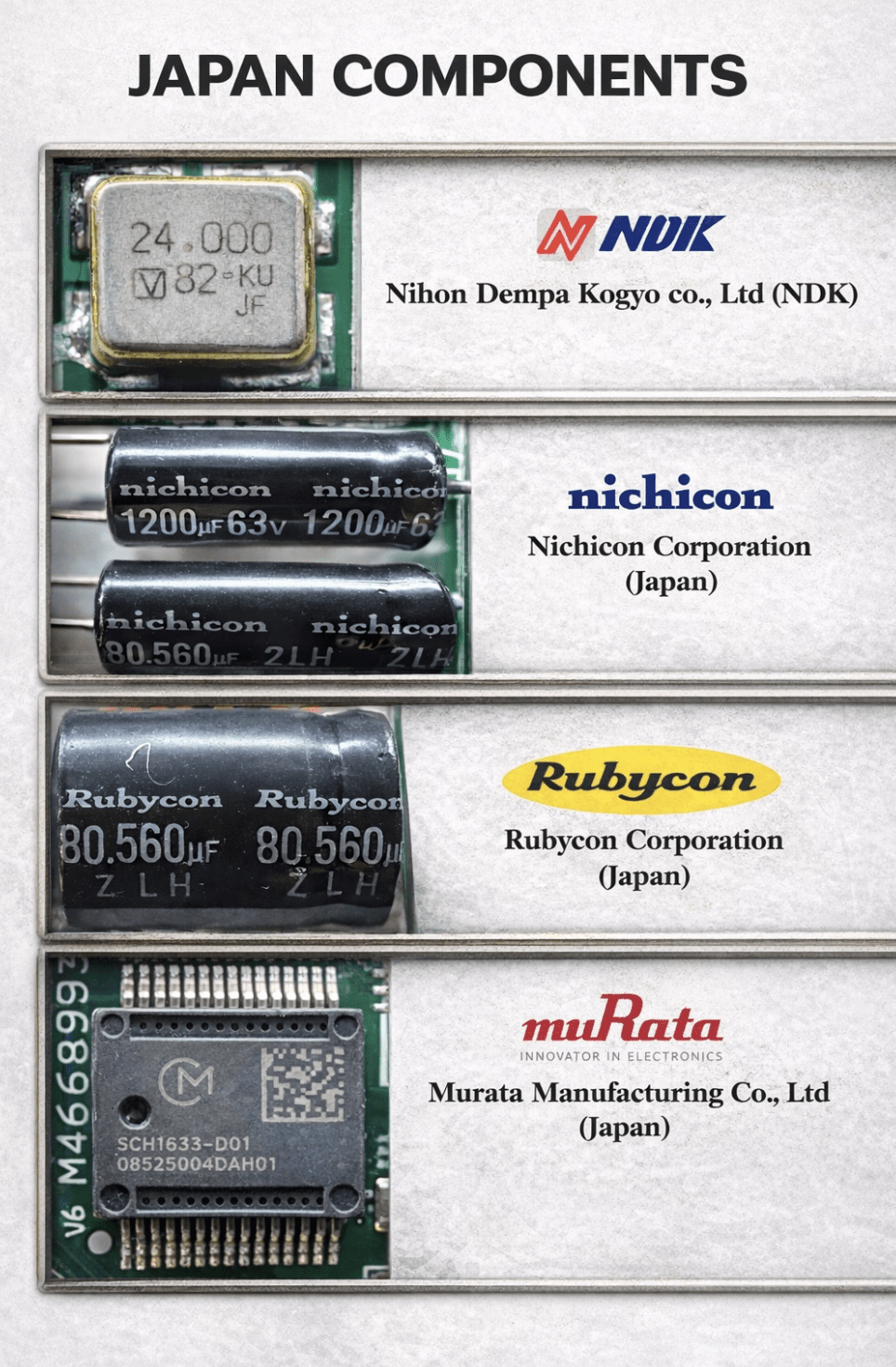
Japanese-made components show how foreign corporate hardware, including boards, modules, and power components, remains present in weapons that Russia mass-produces at Alabuga and uses in attacks on Ukrainian cities.
The same forensic material shows that the Ivano-Frankivsk drone also carried parts from the United States, Switzerland, Taiwan, Germany, the United Kingdom, and China, underscoring how international supply chains still help keep Russian production lines running.
Ukraine’s military intelligence warned that Russia’s defense industry “continues to function thanks to access to foreign technologies,” including supplies routed through third countries and weak end-user controls.
It urged tighter export enforcement, including GPS-linked safeguards, on-site verification by manufacturers, regulation of the used-equipment market, and restrictions on spare parts, technical fluids, and software that keep already installed machines operating.
In Ivano-Frankivsk, those supply-chain failures ended in blood. A father and his teenage daughter never made it home from a visit to a maternity hospital.
The drone that tore through their city was assembled for Russia’s war, but its path to impact was paved by foreign electronics, foreign industrial access, and the gaps that still let those parts reach the Russian military machine.
Discuss this article: