- Category
- Latest news
Russian Military Satellite Linked to Nuclear Program Reportedly Malfunctions
 Prefer U24 Media on Google
- Authors


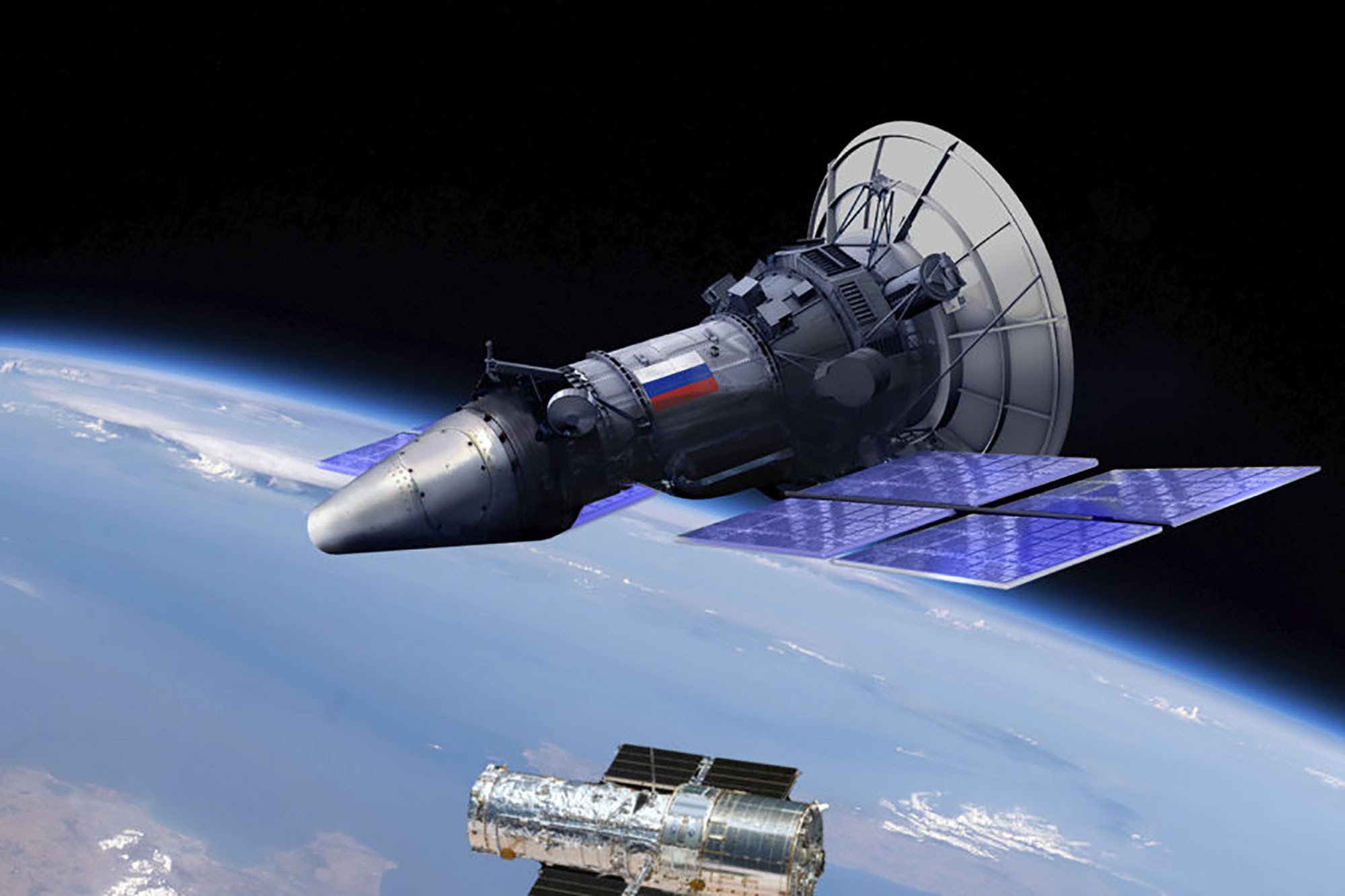
A secret Russian military satellite believed to be connected to Moscow’s anti-satellite nuclear program has reportedly gone out of control, according to Reuters on April 25.
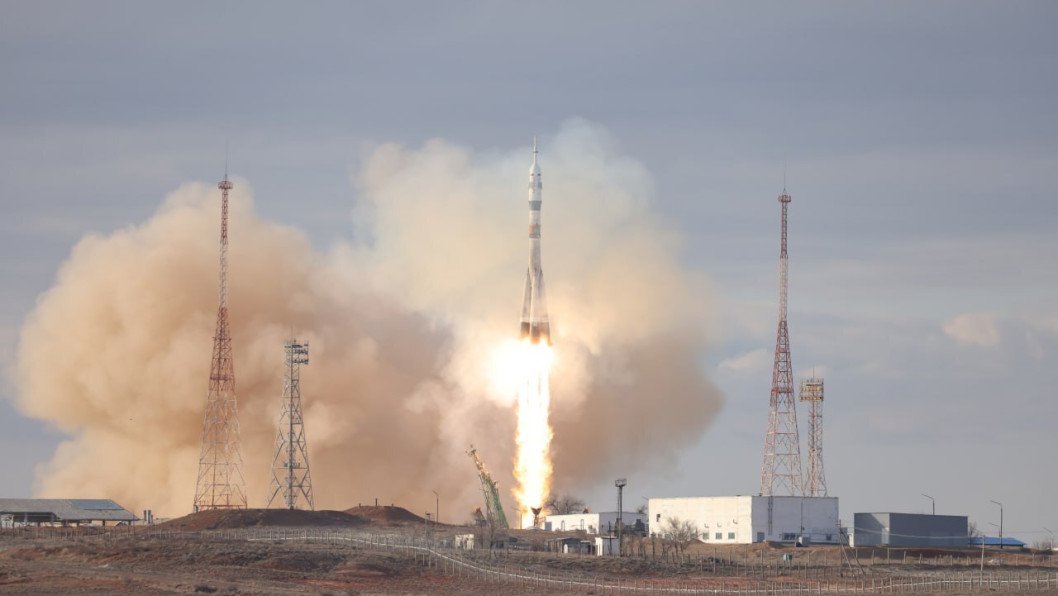
The satellite, known as Kosmos-2553, was launched several weeks before Russia’s full-scale invasion of Ukraine in 2022.
US officials assess that although the satellite itself does not carry weapons, it serves as a platform for experiments that could aid the development of nuclear anti-satellite capabilities.
Throughout 2024, Kosmos-2553 showed signs of instability. In November, LeoLabs, a space-tracking company, detected irregular movements using its global network of Doppler radars.
By December, the company upgraded its assessment to a “high confidence” level that the satellite was tumbling uncontrollably, based on radar data and imagery collected by other space-monitoring firms.
The Center for Strategic and International Studies (CSIS) in Washington confirmed that these observations strongly suggest Kosmos-2553 is no longer operational.
Kosmos-2553 operates at an altitude of approximately 2,000 kilometers — a zone known for intense cosmic radiation. Satellites used for communication and Earth observation typically avoid this region.
Russian officials claim the satellite is intended for testing onboard instruments under high-radiation conditions, but US Space Command representatives have questioned this explanation, citing inconsistencies with its observed characteristics.
In addition to LeoLabs, the company Slingshot Aerospace, which has monitored Kosmos-2553 since its launch in February 2022, previously recorded unusual behavior.
Changes in the satellite’s brightness indicated possible uncontrolled spinning. However, according to Slingshot’s chief scientist, Belinda Marchand, recent observations suggest the satellite may have stabilized.
US analysts have expressed concerns that technologies tested on Kosmos-2553 could be used to develop nuclear devices capable of disabling entire satellite constellations, including commercial systems like SpaceX’s Starlink network, which has been used by Ukrainian forces. Russia has denied developing such weapons.
The US Space Command acknowledged that it is aware of Kosmos-2553’s altitude fluctuations but declined to provide additional assessments regarding its current status.
Earlier, Forbes reported that Russia is developing space weapons capable of targeting SpaceX’s Starlink satellites, including the potential use of nuclear-armed systems like the Nudol missile. Experts warn that a nuclear detonation in orbit could destroy thousands of satellites and risk triggering a broader war.
Discuss this article:



-c439b7bd9030ecf9d5a4287dc361ba31.jpg "Photo of Katherina Popilnichenko")