- Category
- Latest news
Russian Officials Propose Exit Tax on Trips Abroad to Keep Tourists at Home
 Prefer U24 Media on Google
- Authors

-111f0e5095e02c02446ffed57bfb0ab1.jpeg "Photo of Roman Kohanets")
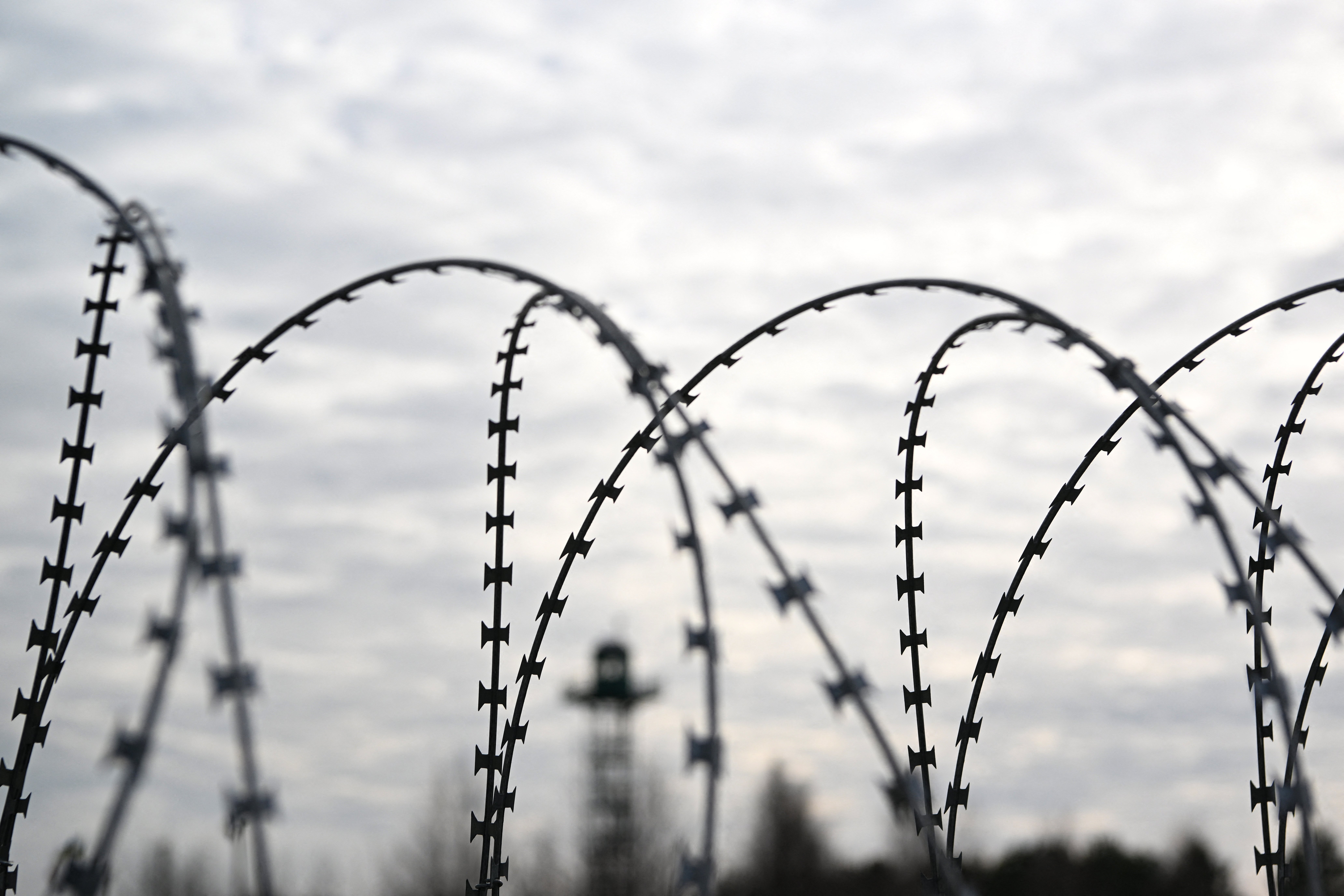
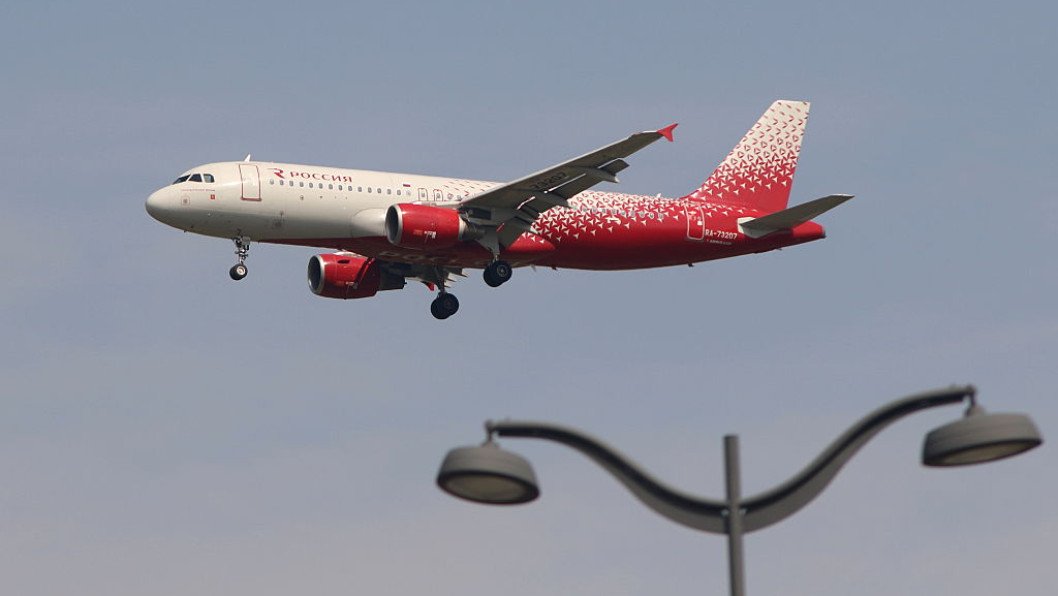
Russia’s State Duma has backed a proposal to impose a special fee on Russians traveling abroad, according to The Moscow Times on March 16.
The measure was announced by Sangadzhi Tarbayev, head of the State Duma Committee on Tourism and Tourism Infrastructure Development and a lawmaker from the New People party, who argued that Russia should use “all possible mechanisms” to support domestic tourism.
We bring you stories from the ground. Your support keeps our team in the field.
Tarbayev presented the idea as a form of economic protection for travel within Russia, arguing that money spent by Russian tourists abroad could instead remain in the domestic economy, helping create jobs and boost budget revenues.
He also noted that the proposal should be discussed further, including its wider economic impact.
“One of the incentive measures is the introduction of a special fee for trips to other countries,” Tarbayev wrote, adding that “it is possible and necessary to discuss this measure, as well as its effectiveness for the economy.”
He also stated that representatives of the tourism industry support such fees and noted that some experts view the proposal as a way to build an emergency compensation fund, including for evacuating Russian tourists from crisis zones abroad.
Tarbayev added that the opinions of tourism businesses and travelers themselves should be taken into account, particularly those who prefer foreign vacations over domestic travel.
The measure also emerges amid increasing inspection of Russia’s wartime economic sustainability.
That assessment points to a defense sector whose wartime surge was driven less by durable modernization than by heavy state spending, with momentum fading as budget growth slows and financing tightens.
-972b40303f2e57597e22987d16a593dd.jpg)
The report, citing Vladimir Milov’s review of industrial data and company disclosures, argues that the earlier production boom masked deeper structural weaknesses that are now becoming harder to contain.
Indirect indicators from related manufacturing sectors reportedly show weapons, electronics, and combat-vehicle output all slowing pace in 2025.
Some weapons production briefly slipped into negative territory by late last year.
The picture is compounded by sanctions that continue to restrict machine tools and advanced components needed to expand new production lines.
Thin state-regulated margins, inflation, delayed payments, and borrowing costs above 20% are also squeezing manufacturers and subcontractors.
Discuss this article:



-72b63a4e0c8c475ad81fe3eed3f63729.jpeg "Photo of Cyril Barabaltchouk")