- Category
- Latest news
Russian Region Weighs Expanding “Foreign Agent” Law to a New Group: Weeds
 Prefer U24 Media on Google
- Authors

-72b63a4e0c8c475ad81fe3eed3f63729.jpeg "Photo of Cyril Barabaltchouk")
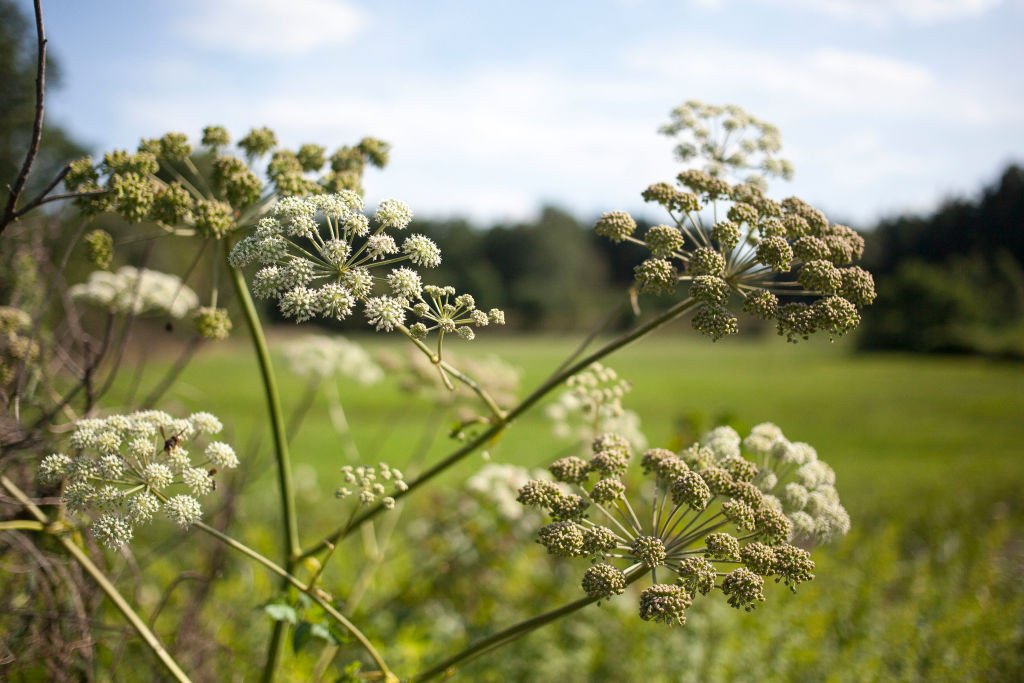
Authorities in Russia’s Nizhny Novgorod region plan to introduce a registry of so-called “foreign agent plants,” a new legal category targeting invasive species deemed harmful to the environment and public health, according to statements by regional officials reported in Russian media on February 23.
Regional parliament speaker Yevgeny Lyulin said the concept of “plant-foreign agents” will soon be added to local legislation on environmental safety and specially protected natural areas. The regional government will compile the list, with Sosnowsky’s hogweed named as the first and main candidate.
We bring you stories from the ground. Your support keeps our team in the field.
“Dangerous, invasive, alien. The legislation of the region will soon include the concept of foreign agent plants threatening ecology and human health,” Lyulin wrote on Telegram. He said amendments had been recommended for second reading by the profile committee of the regional parliament.
In Russia, the “foreign agent” designation has long been used as a powerful tool of state repression, not an environmental term. First introduced in 2012 and drastically expanded since the full-scale invasion of Ukraine in 2022, the Kremlin uses the law to systematically silence independent journalists, human rights defenders, and everyday citizens, according to Human Rights Watch.
Individuals and groups branded with the label are blacklisted from public life, subjected to grueling financial audits, and face crippling fines or imprisonment for failing to append a stigmatizing disclaimer to all public communications, Amnesty International reported.
-50c64d019d3899de5677f8b898913418.jpg)
Sosnowsky’s hogweed, introduced in the Soviet Union in the mid-20th century as livestock feed, has since spread widely and is known to cause severe burns. Lyulin argued that budget funds had been spent for years fighting the plant “but due to the lack of a system, the money simply went like water into sand.” The amendments would formally recognize the plant as alien and impose a legal obligation on landowners to eradicate it.
The proposed changes would also introduce fines for negligent handling of invasive plants. “The negligent owner will answer with the ruble,” Lyulin said, arguing that landowners who fail to clear hogweed could undermine neighboring efforts to control its spread.
Earlier, it was reported that Russian authorities would soon gain new powers to implement “preventive” measures aimed at addressing offenses like “failure to fulfill the duty to defend the country” and “distortion of historical truth.”
Discuss this article: