- Category
- Latest news
“They’ll Be Destroyed Legally”: Russia Cracks Down on Its Own Pro-War Bloggers
 Prefer U24 Media on Google
- Authors

-111f0e5095e02c02446ffed57bfb0ab1.jpeg "Photo of Roman Kohanets")

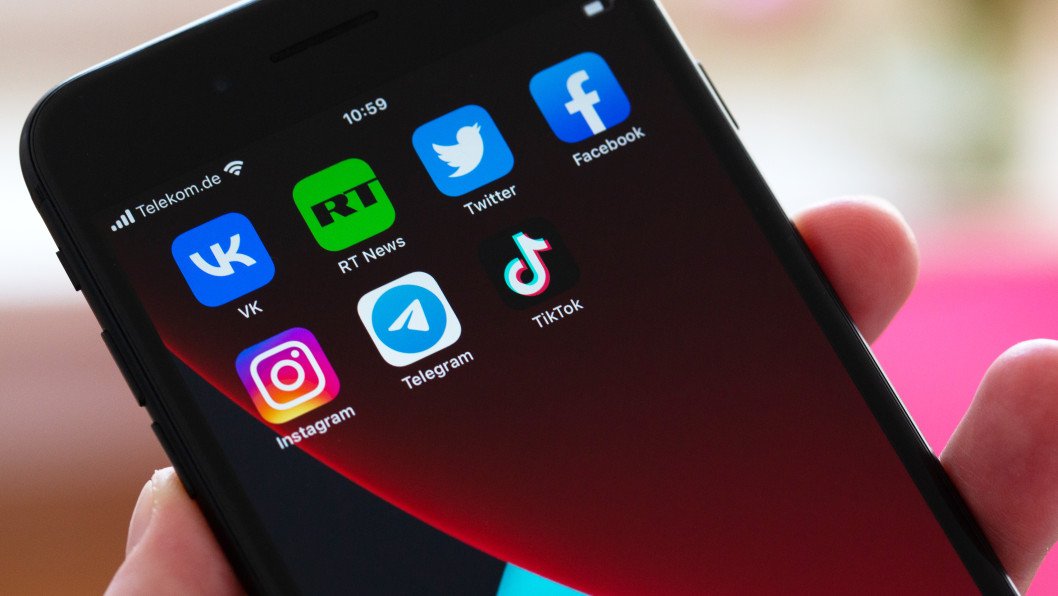
Russia’s security and legal apparatus has begun targeting some of its own staunchly pro-war military bloggers, with several prominent “Z-bloggers” branded as foreign agents, extremists, or detained after criticizing senior officials, according to The Economist on November 17.
In recent weeks, Roman Alyokhin, who has around 151,000 subscribers on Telegram, was designated a “foreign agent” by the authorities, while commentator Tatyana Montyan, whose channel has about 400,000 followers, became the first Z-blogger to be formally labeled a terrorist.
Another pro-Kremlin blogger, Oksana Kobeleva, with some 10,000 subscribers, was detained in November. All three had attacked senior figures in the state or rival propagandists rather than questioning the war itself.
Appeals from these bloggers and their supporters have not altered the official stance. On November 13, Apti Alaudinov, a senior Russian defense official, publicly rejected the idea of any misunderstanding and announced a broader campaign against what he called “internal enemies.”
He warned that bloggers who refused to apologize and “seek common ground” would be “destroyed legally,” and said “the machine will ramp up to such an extent that they’ll all be stunned,” signaling an intention to use formal legal instruments to discipline the pro-war information space.
Ivan Philippov, an analyst cited by The Economist, described the confrontation as a “struggle between species” within the Z-blogger ecosystem, pitting smaller, more grassroots channels against powerful, well-connected media actors.
For much of the war, military bloggers have openly criticized what they describe as corruption and mismanagement within the Russian Defense Ministry, which they claim undermines supplies to the front lines, and have sharply criticized high-profile propagandists, such as television presenter Vladimir Soloviev.
The impact of these bloggers on the battlefield remains contested. The state has invested heavily in mass-producing weaponry, with centralized procurement driving output of missiles, glide bombs, and long-range drones.
The standoff has invited comparisons with the 2023 mutiny by Yevgeny Prigozhin, who began by attacking Russian Defense Ministry leaders and ultimately sent Wagner fighters toward Moscow before his death in a plane crash later that year.
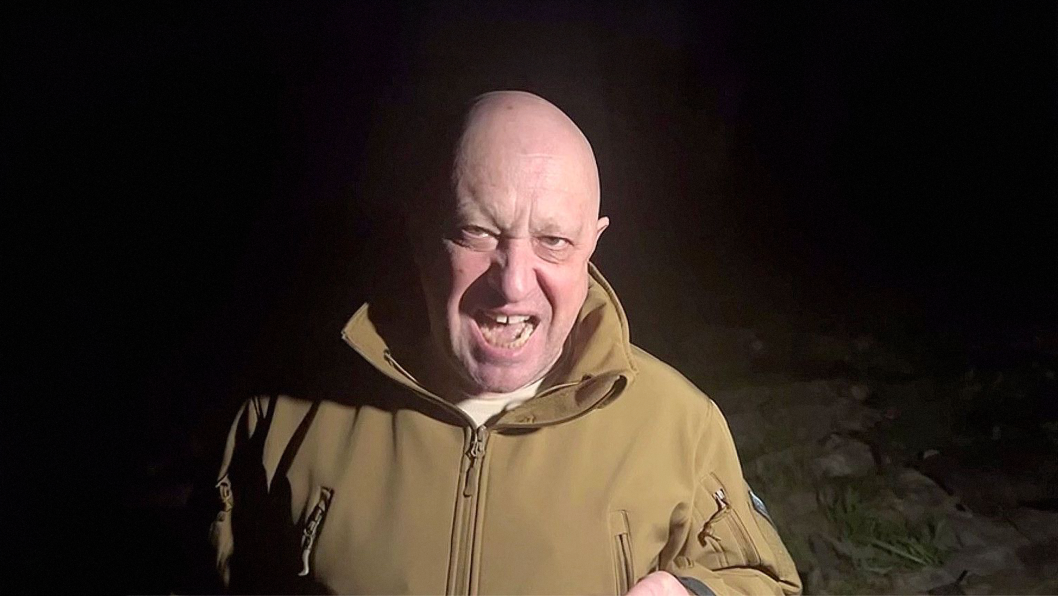
But The Economist notes that the present confrontation is much smaller in scale, with no indication of an impending uprising. The bloggers are described as secondary figures, useful in sustaining an appearance of broad public support for the war but lacking independent armed power.
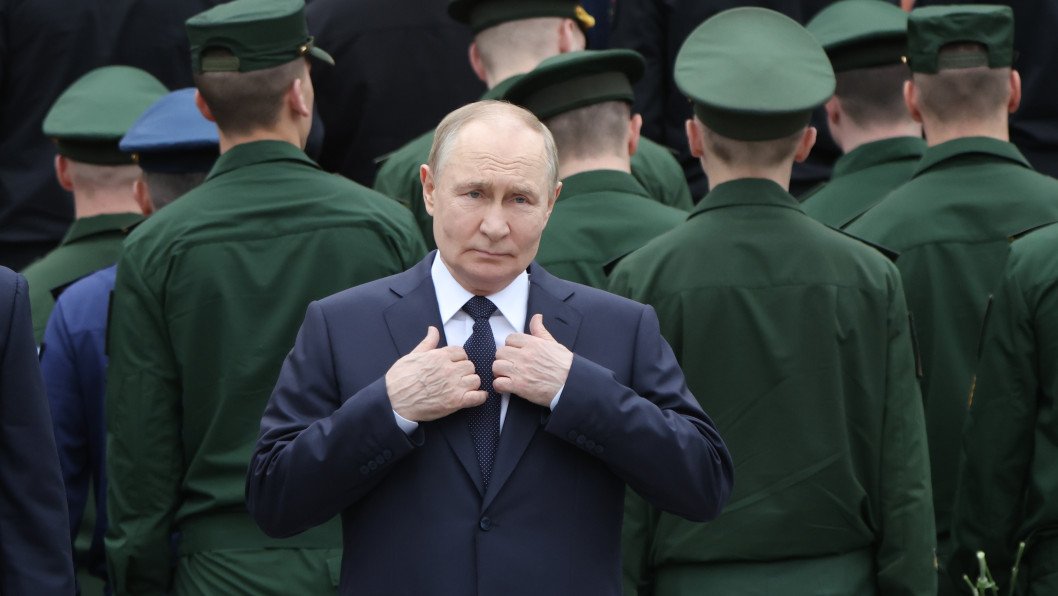
They generally avoid “red lines,” such as directly criticizing the Russian leader Vladimir Putin or revealing the scale of Russian casualties, and the dispute comes at a time when Russia has made limited gains, including Ukrainian withdrawals from three small villages in the Donetsk region and across the south-east.
Meanwhile, it was reported that growing economic strain and new sanctions have fueled fears in Moscow of another coup like the Wagner mutiny, with criminal cases against exiled opponents seen as part of a broader effort to shore up Putin’s regime and suppress perceived internal threats.
Discuss this article:

-c439b7bd9030ecf9d5a4287dc361ba31.jpg "Photo of Katherina Popilnichenko")