- Category
- Latest news
Putin’s Purge Turns Inward: Kremlin Targets Its Own Pro-War Propagandists
 Prefer U24 Media on Google
- Authors




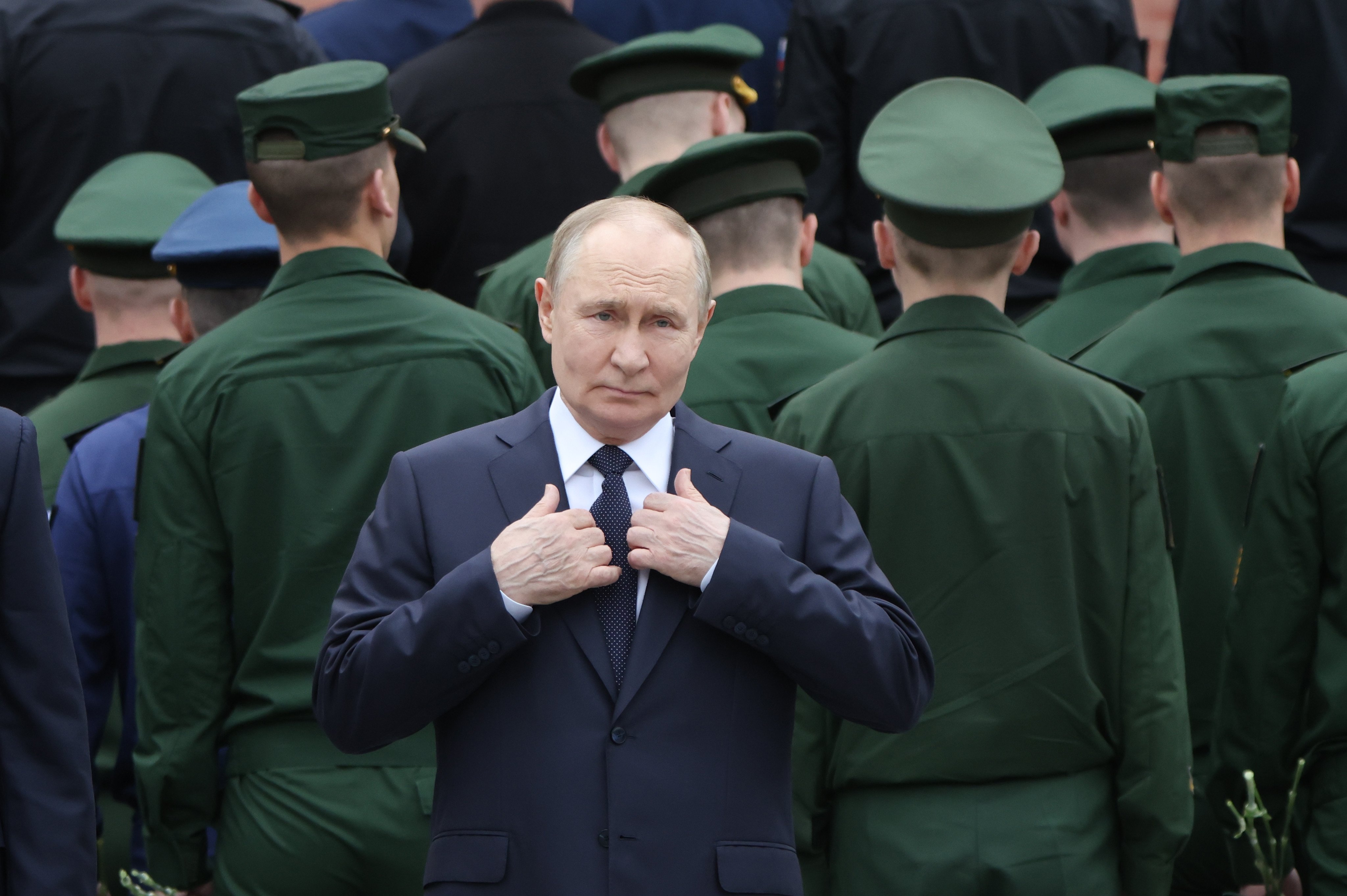
Once hailed as loyal defenders of Vladimir Putin’s rule and champions of Russia’s war in Ukraine, a growing number of pro-Kremlin voices are now being crushed by the same repressive system they helped build, The Guardian reported on November 6.
Among those targeted are Sergei Markov, a longtime political commentator who frequently praised Putin as “one of history’s great men,” and Roman Alyokhin, a pro-war blogger and fundraiser for Russian troops. Both men have recently been labeled “foreign agents”—a Soviet-era term revived by Moscow to stigmatize those it deems politically suspect.
The list of targets also includes Tatyana Montyan, a Ukrainian-born commentator for Russia’s state-controlled RT network, who was officially designated as a “terrorist and extremist”—a label typically reserved for political enemies of the Kremlin, such as the late Alexei Navalny’s associates.
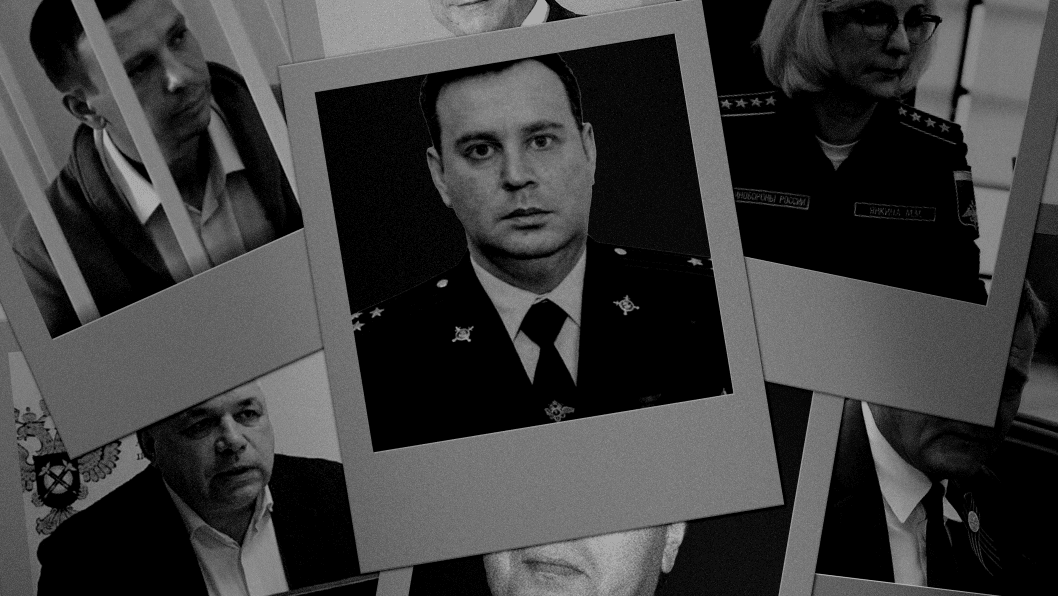
The Guardian notes that the designations mark a striking shift: the Kremlin’s repressive machinery, once aimed solely at silencing anti-war activists and opposition voices, is now turning inward on its own ardent supporters.
“First, they went after the anti-war voices. Now there are none left, and the repressive machine cannot be stopped,” said Russian political scientist Ekaterina Schulmann.
According to analysts, quoted by The Guardian, this new wave of repression reflects a power struggle within Putin’s system—pitting entrenched propagandists and Kremlin loyalists against the so-called “militarists” or Z-bloggers, a sprawling network of ultranationalist influencers and volunteer activists who have raised funds and equipment for front-line troops since 2022.
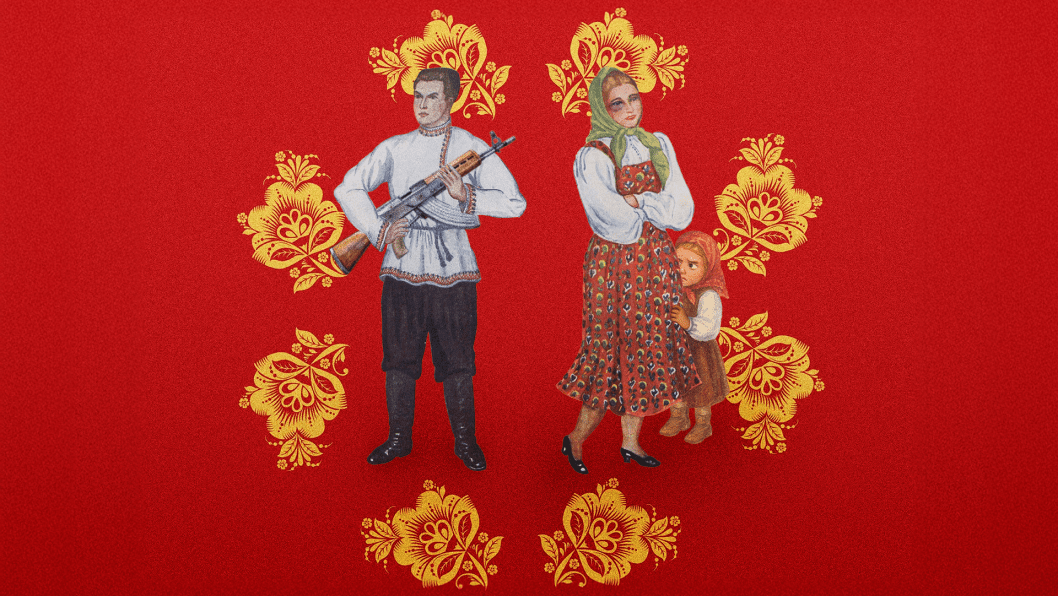
Schulmann described the conflict as a battle between the “loyalists” tied to the defense ministry and official propaganda structures, and the grassroots militarists who have at times criticized how the war is being fought.
“Autocracies fear civic mobilization of any kind,” Schulmann said. “Any authentic movement, including a pro-war one, is perceived as obstructive and potentially dangerous.”
According to The Guardian, individual cases hint at both political and financial motives. Markov reportedly fell from favor after Moscow’s relationship with Azerbaijan deteriorated, while Alyokhin and Montyan have faced scrutiny over alleged misuse of donations raised for Russian soldiers. Observers suggest that the crackdown is as much about control of money and influence as it is about ideology.
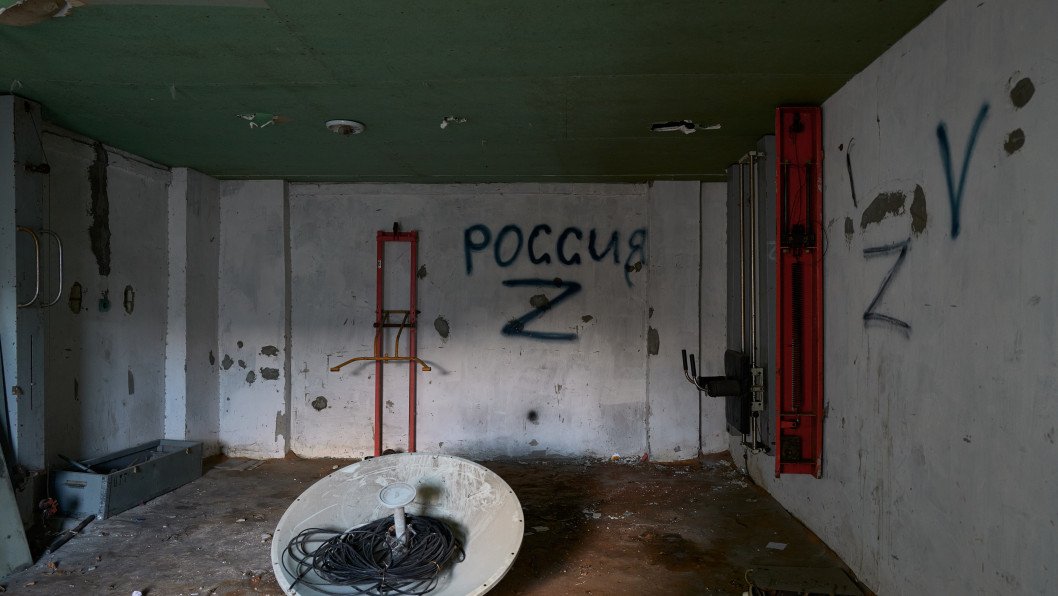
“At its core, their conflict is a battle for resources,” said Ivan Philippov, a researcher of Russia’s pro-war movement. He noted that state propagandist Vladimir Solovyov—a leading figure of the loyalist camp—has spearheaded efforts to sideline independent war bloggers, frustrated that some raised more money for the front than his own state-sanctioned charity.
The irony of the situation has not been lost on Russia’s remaining opposition figures, The Guardian notes.
“It’s been amusing to watch how those who never objected when liberals were imprisoned are suddenly discovering that justice in Russia is selective,” Philippov said.
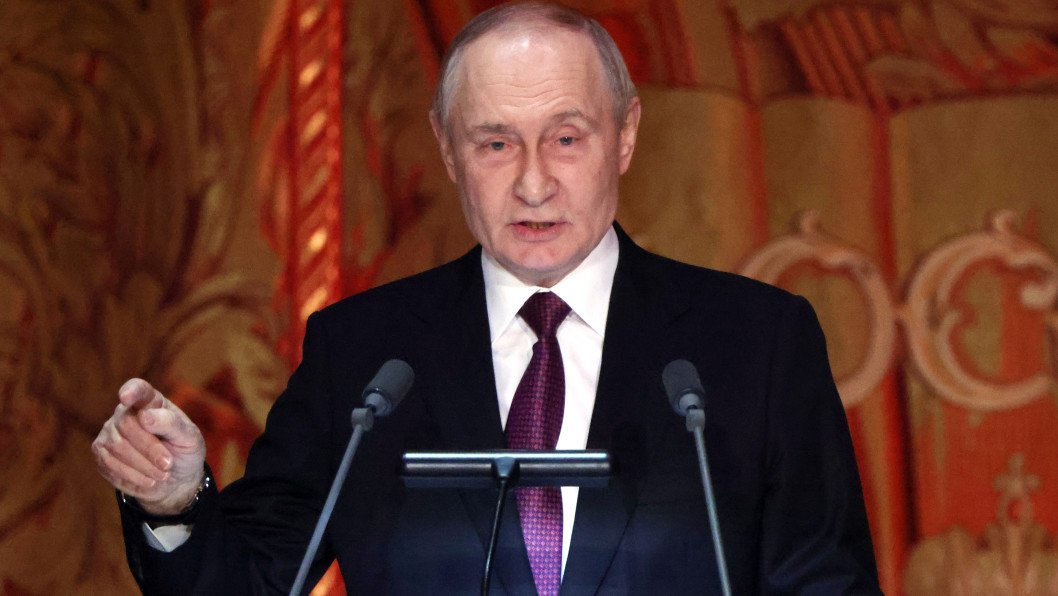
Markov himself protested after being branded a foreign agent, insisting there had been “some sort of misunderstanding.” Alyokhin, once a vocal supporter of Russia’s repressive laws, now claims the foreign agent statute “violates the Russian constitution” and represents “a serious infringement of civil rights.”
Schulmann expects more arrests to follow. “The Russian repressive apparatus has to fill its quotas,” she said. “The machine must keep feeding itself.”
Earlier, reports emerged that Putin fears another coup as Russia’s position weakens under mounting economic and political pressure.
Growing instability inside the Kremlin coincides with new US sanctions and a tightening global stance against Moscow’s oil revenues.
Discuss this article:

-c439b7bd9030ecf9d5a4287dc361ba31.jpg "Photo of Katherina Popilnichenko")