- Category
- Latest news
Putin’s New Laws to Create Gulag Archipelago 2.0 With KGB-Style Prisons, Satanism Ban, and Spyware App
 Prefer U24 Media on Google
- Authors


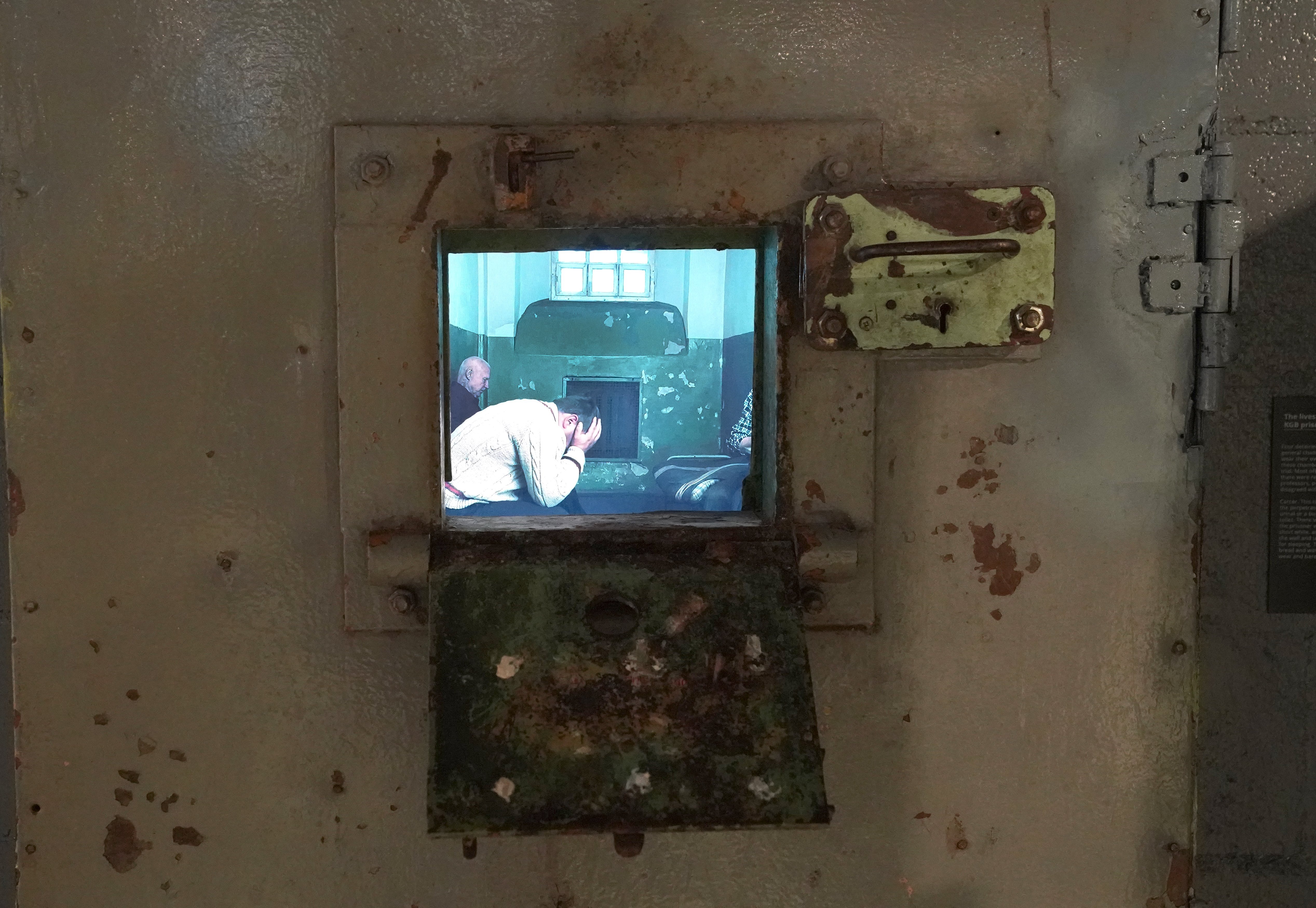
The Kremlin rolled out a sweeping package of new laws on September 1 that critics say tighten Moscow’s grip on daily life, expand surveillance, and revive Soviet-style repression, Spanish newspaper El País reported on September 1.
Among the more interesting moves: outlawing “Satanism” in general terms, fining citizens for searching “Navalny ” or “LGBTQ+” online, and blocking WhatsApp calls to force Russians onto a state-run messaging app called “Max”, which human-rights groups warn is spyware in disguise.
“Russia’s authorities are endlessly creative in coming up with new repressive measures,” El País reported.
The vague language of the laws allows them to be applied arbitrarily. With political opposition already crushed, analysts warn that the Kremlin is now turning its sights on Russia’s own elites—using prisons and legal codes to lock Putinism in place.
-50c64d019d3899de5677f8b898913418.jpg)
Moscow also announced plans to build 11 new pre-trial detention centers, tripling the prison budget over the next decade from 105 billion to 359 billion rubles ($1.1 to $3.8 billion).
Observers describe this as Russia’s modern SIZO archipelago—an echo of the gulag network.
“It didn’t achieve systemic improvement, but at least it created debate about prison conditions in Russia,” said Dmitry Anisimov, a spokesperson for the watchdog OVD-Info, referring to the European anti-torture treaty Moscow has now abandoned.
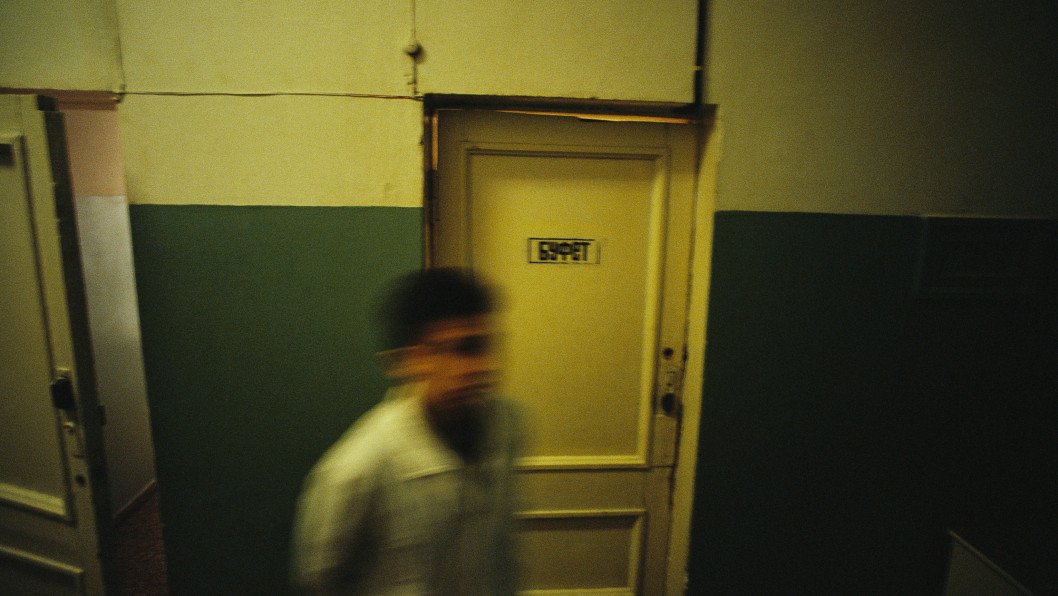
Perhaps most alarming, Russian leader Vladimir Putin restored to the Federal Security Service (FSB)—the successor to the KGB—the right to run its own detention facilities without outside oversight. That power had been stripped in the 1990s, when Russia was forced to comply with minimal European human-rights standards.
-e393994fbbcc90e7a534d23fcaa451be.jpg)
“Control was taken away from the FSB so investigators couldn’t pressure suspects in cells,” Anisimov said. “It’s likely political prisoners will end up in those facilities… torture cases will increase.”
One of the most notorious detention sites, Moscow’s Lefortovo prison, has held countless opposition figures. “The FSB already controlled it de facto. Now it ensures free rein,” a lawyer told El País.
A new offense also came into force on September 1: “Searching for and accessing manifestly extremist material.”
Officially, it carries fines of up to $53, but critics say it could evolve into a blunt weapon, just like Russia’s “foreign agents” law.
The state maintains a list of some 5,500 “extremist” entities, which includes Alexei Navalny’s organizations, Greenpeace, LGBT groups, and even Facebook and Instagram.
“There are two interpretations of this law,” Anisimov explained. “One would be limited to those specific articles, but the other extends to searching for any content that promotes or justifies extremist activity. The vagueness of the wording means security forces can apply it at will.”
Russia’s surveillance net is also tightening. Yandex, Russia’s Google, was recently fined for refusing to give the FSB access to user smart speakers.
WhatsApp and Telegram calls are blocked. All new devices must now ship with the state app Max, which has full access to a user’s contacts and files. Meanwhile, unapproved VPNs are banned, and using one could increase sentencing in court.
-d42bec5c53a6242e4c37a7f651cf78dc.png)
Starting September 1, citizens labeled foreign agents are barred from teaching or publishing. Bookstores carrying their works lose subsidies and can’t sell to schools. Shops rushed to dump “foreign agent” titles at heavy discounts before the ban took hold.
At the same time, schools are slashing foreign-language instruction in favor of new nationalist courses glorifying Russia’s war in Ukraine. One curriculum, Conversation About What’s Important, has been expanded to kindergartens, teaching children to “die for the fatherland.”
The campaign has even veered into the absurd. This summer, the Kremlin declared the “international satanic movement” extremist. The first man fined—about $11—was punished for posting a demon image on the Russian social network VKontakte. Repeat offenses could bring harsher penalties.
With Halloween approaching, critics warn that even costumes could become criminal. Police have raided Halloween parties in past years, especially those hosted by liberals or LGBT groups.
Patriarch Kirill, head of the Russian Orthodox Church and a close Putin ally, has denounced the holiday as “that horrible bacchanal brought from abroad and alien to our traditional values.”
Earlier, reports emerged that in 2025, the Russian government will spend roughly $31 million on educational loans for students, a figure 140 times smaller than the funds allocated for prison construction.
Discuss this article:

-6b3c58bbcf8c8f2f38775f349181b1ab.jpg "Recruits, supervised by instructors, cover a distance on Day Zero of Basic Military Training at the 118th Separate Mechanised Brigade of the Ukrainian Armed Forces on April 5, 2026. (Source: Getty Images)")