- Category
- Latest news
Russia’s 26,000-Ton Nuclear Beast May Be Retired as Too Expensive to Keep Afloat
 Prefer U24 Media on Google
- Authors


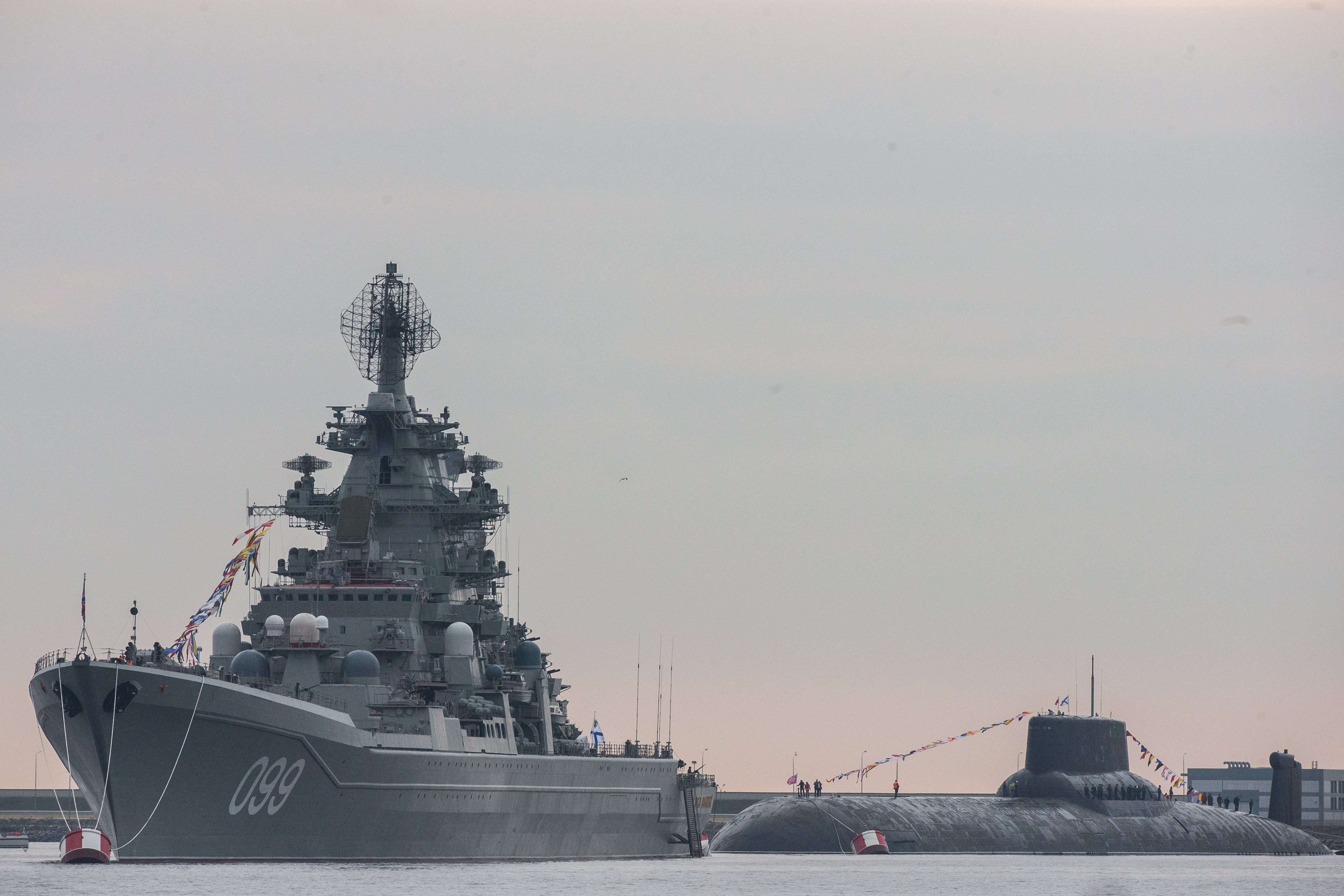
Russia is facing renewed debate over the future of one of its largest surface combatants, the nuclear-powered battlecruiser Pyotr Velikiy, amid growing concerns about the cost-effectiveness of maintaining such legacy platforms.
Former Pacific Fleet commander Admiral Sergey Avakyants stated in an interview with Izvestia that funding a refit of the vessel would be an inefficient use of state resources.
According to Army Recognition on August 25, Avakyants argued that instead of investing in the aging Project 1144.2 Orlan-class cruiser, the funds should be redirected toward building multiple ocean-going warships equipped with modern missile systems.
He cited historical examples, such as the Bismarck and Yamato , to illustrate the risks of concentrating power in large, expensive vessels. The admiral further pointed to World War II-era US naval strategy, which emphasized more numerous and flexible carriers over massive battleships.
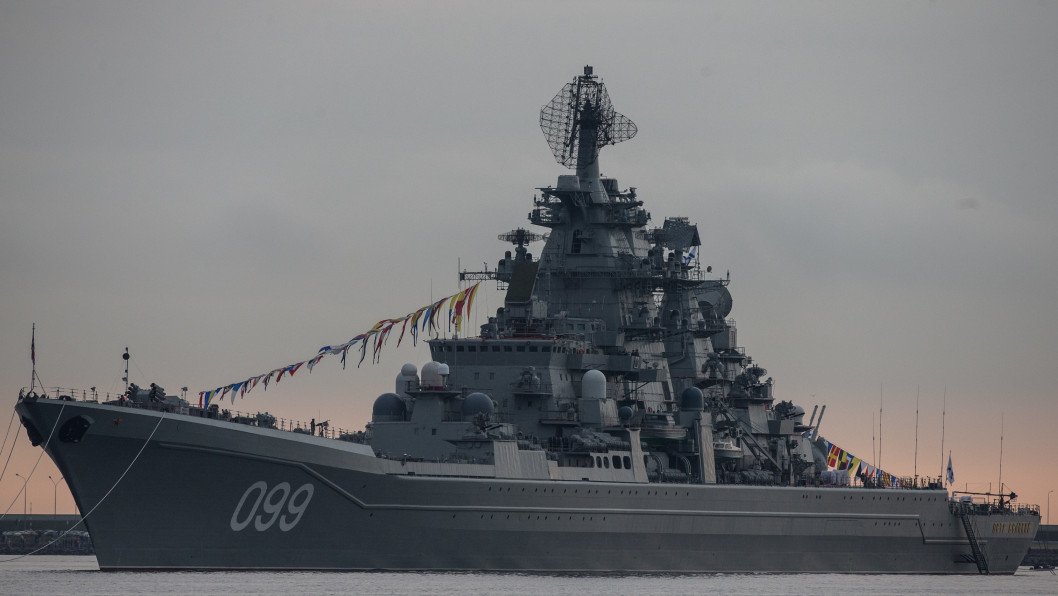
The Pyotr Velikiy, commissioned in 1998, remains one of the world’s heaviest surface warships, displacing approximately 26,000 tons and powered by two KN-3 nuclear reactors. The ship was laid down in 1986, launched in 1989, and delayed by post-Soviet economic constraints.
It has served as the Northern Fleet’s flagship and took part in international exercises, anti-piracy operations, and the Syrian campaign in 2016–2017. However, the vessel has been inactive since 2022, with satellite imagery confirming its laid-up condition at Severodvinsk through 2023 and 2025.
With no radar or missile upgrades implemented, the ship still retains its original suite of weaponry, including 20 P-700 Granit anti-ship missiles, S-300F/FM air defense systems, Kinzhal and Kortik close-in weapons, and a variety of anti-submarine and naval artillery systems.
Despite these capabilities, Russian naval doctrine has increasingly shifted toward distributed lethality and modular missile systems deployed across smaller platforms.
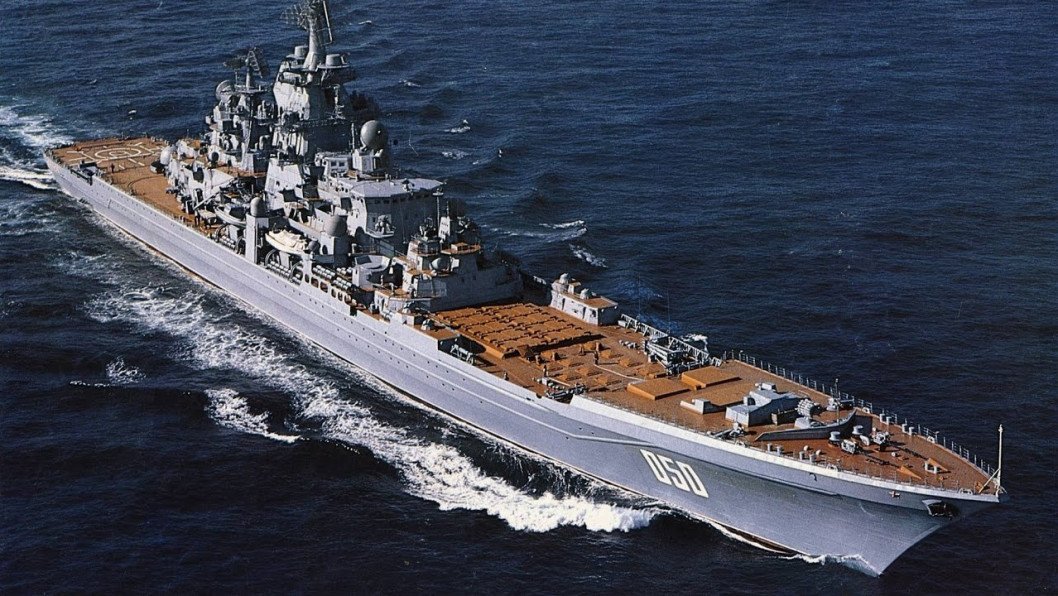
Meanwhile, the Admiral Nakhimov, a sister ship of the same class, departed for sea trials on August 18, marking its first time underway in nearly three decades.
The vessel has undergone an extended refit under Project 1144.2M, which includes integration of Kalibr, Oniks, and Zircon missiles, as well as updated air defense and anti-submarine systems.
Originally expected to return to service in 2018, the refit has been repeatedly delayed and is now projected for completion by 2026, with unofficial estimates suggesting costs have quadrupled to 200 billion rubles.
Two other ships of the class, Admiral Ushakov and Admiral Lazarev, were previously decommissioned and scrapped. If Pyotr Velikiy is also withdrawn, Admiral Nakhimov would remain the sole operational Kirov-class cruiser.
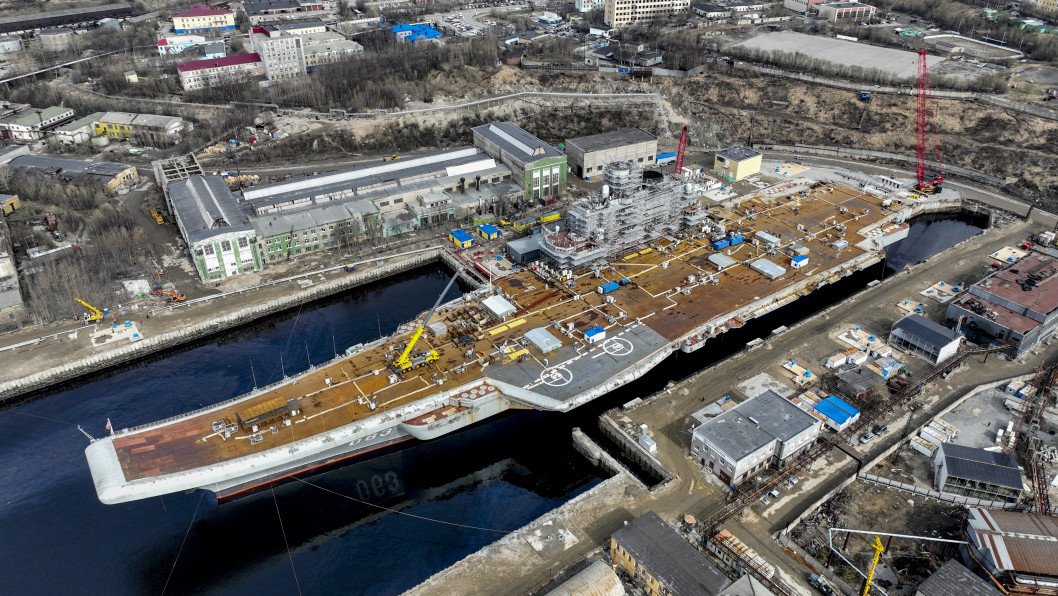
While some Russian defense commentators have argued that nuclear cruisers retain strategic utility for blue-water operations, others maintain that modern frigates and destroyers offer greater value given limited shipbuilding budgets and modernization delays affecting both Pyotr Velikiy and the aircraft carrier Admiral Kuznetsov.
At present, no official decision has been announced regarding the decommissioning of Pyotr Velikiy.
Earlier, on August 14, Russia launched the Admiral Amelko frigate at the Severnaya Verf shipyard in St. Petersburg—the first modified Project 22350 vessel equipped with 24 vertical launch cells for Kalibr, Oniks, and Tsirkon missiles, expanding its strike capacity compared to earlier ships in the series.
Discuss this article:



-c439b7bd9030ecf9d5a4287dc361ba31.jpg "Photo of Katherina Popilnichenko")