- Category
- Latest news
Russia’s $37M Su-57 Stealth Fighter Deployed Incomplete Amid Sanctions, Experts Say
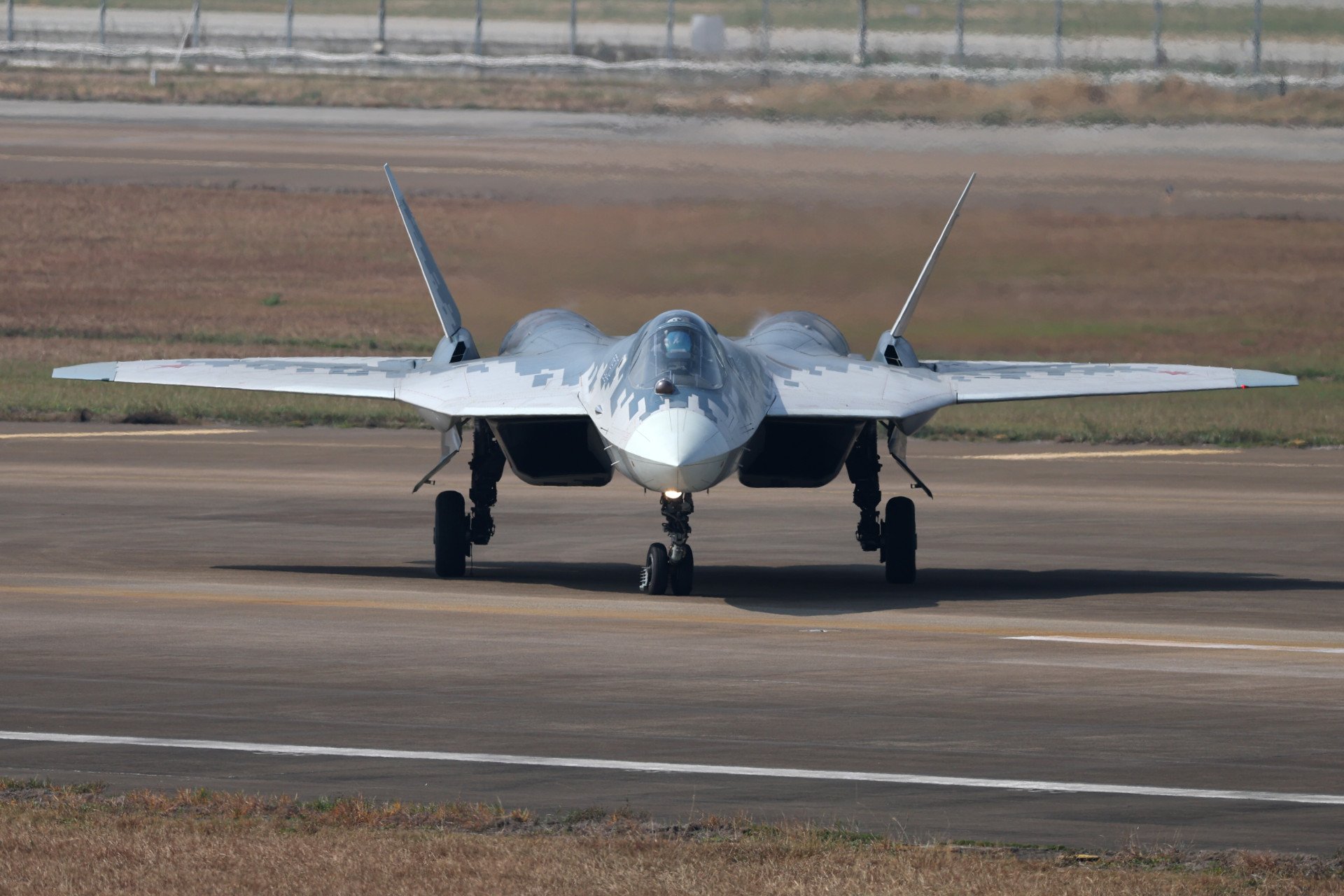
Russia’s Su-57 fighter jet has long been advertised by Moscow as the crown jewel of its military aviation, but newly obtained classified documents suggest the aircraft was delivered to the Russian military in stripped-down form—missing critical targeting subsystems—and at inflated costs.
 Prefer U24 Media on Google
- Authors


The Su-57, Russia’s only so-called fifth-generation fighter, has been used sparingly, with Moscow likely holding back the jet to avoid reputational damage, export setbacks, or the loss of sensitive technology if one were shot down, but fresh evidence obtained by Frontelligence Insight through the Ukrainian analytics firm Dallas points to deeper problems in the program, Ukrainian OSINT specialists revealed on August 16.
According to documents reviewed by the outlet, the Russian Ministry of Defense paid more than $37 million per aircraft under a 2019 agreement with Sukhoi, even though the jets were delivered without the 101KS-N electro-optical targeting subsystem—an omission formally approved through contract amendments.
Russian Su-57 fighter jet spotted flying with two Kh-59 air-launched cruise missiles. pic.twitter.com/2d7Buk3Xgf
— Clash Report (@clashreport) October 20, 2024
The 101KS-N, part of the broader 101KS sensor suite, is designed to provide all-weather surveillance and passive infrared targeting of ground objects.
One Ural Optical-Mechanical Plant estimate in 2021 valued the targeting pod at more than $4 million each, though defense negotiators later pressed the price down to around $3.2 million. Even so, auditors found inflated overhead and unrelated expenditures padded into the contracts.
Procurement practices only made matters worse. The Defense Ministry signed off on Su-57 deliveries separately from the targeting pods, raising the risk that Moscow effectively paid twice—once for “fully equipped” jets, and again for key subsystems.
A 2025 audit of the Komsomolsk-on-Amur Aircraft Plant, Russia’s largest aircraft manufacturer, found chronic problems with blurred accounting between military and civilian contracts.
Oversight, auditors wrote, was “formal,” allowing inflated prices and hidden subsidies to persist.
Meanwhile, Russia’s domestic defense industry has struggled under sanctions. A 2024 investigation into Mikropribor, a supplier of avionics modules for the Su-57, revealed that the loss of Western microchip imports had disrupted production and delayed deliveries.
In internal correspondence, senior Defense Ministry officials blamed delays in supplying the 101KS-N systems on “sanctions pressure.”
Frontelligence Insight concluded that Western restrictions have done more than complicate supply chains—they have forced Russia to field its premier warplane in incomplete form, undermining its combat effectiveness.
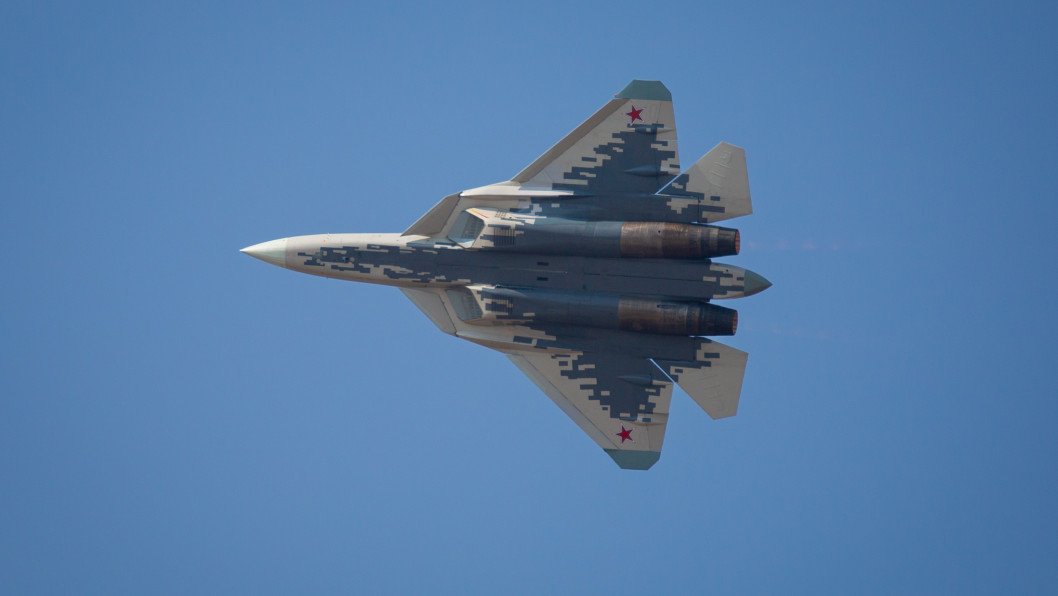
Still, analysts caution that missing ground-targeting pods may not fully explain the jet’s absence from Ukraine’s skies. “The Su-57’s role is not centered on ground strikes,” the report noted, suggesting Russia’s reluctance may also stem from fear of reputational loss if one were destroyed in combat.
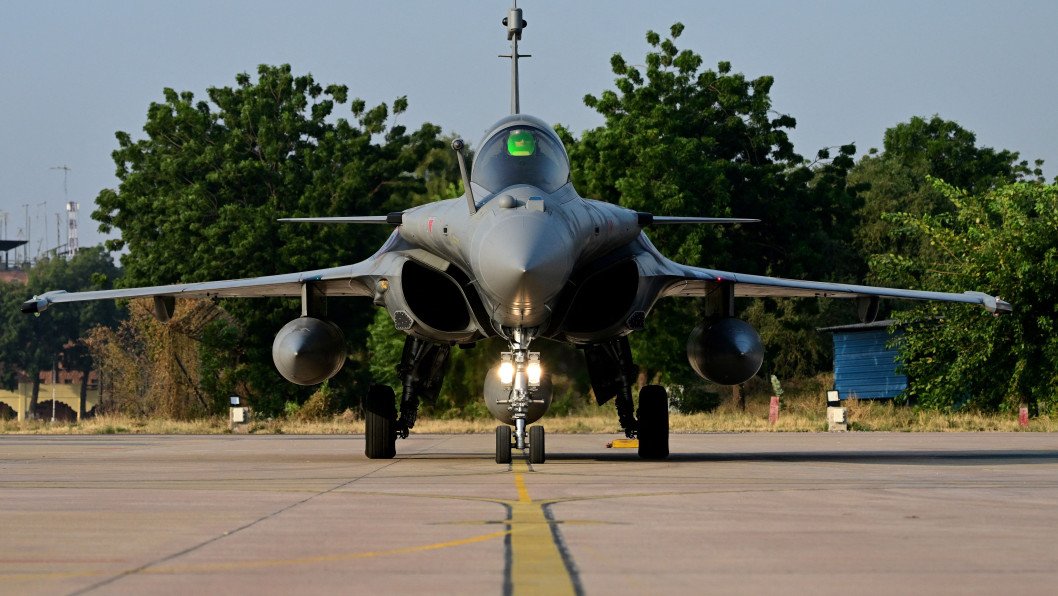
Earlier, reports emerged that India’s long-delayed plan to procure 114 multi-role fighter aircraft under the MRFA (Multi Role Fighter Aircraft) program may end without a competitive tender. Instead, the Indian Air Force is expected to place an order for more Rafale jets from French manufacturer Dassault Aviation.
This move would exclude other contenders from the multi-billion-euro deal, including Sweden’s Saab with its Gripen, Boeing with the F-15EX, Lockheed Martin with its India-specific F-21 variant of the F-16 Block 70, the Eurofighter Typhoon, and Russia’s Su-57.
Discuss this article:


-c439b7bd9030ecf9d5a4287dc361ba31.jpg "Photo of Katherina Popilnichenko")