- Category
- Latest news
Russia’s Secret Stealth Bomber Program PAK DA Leaked as Sanctions Stall Production
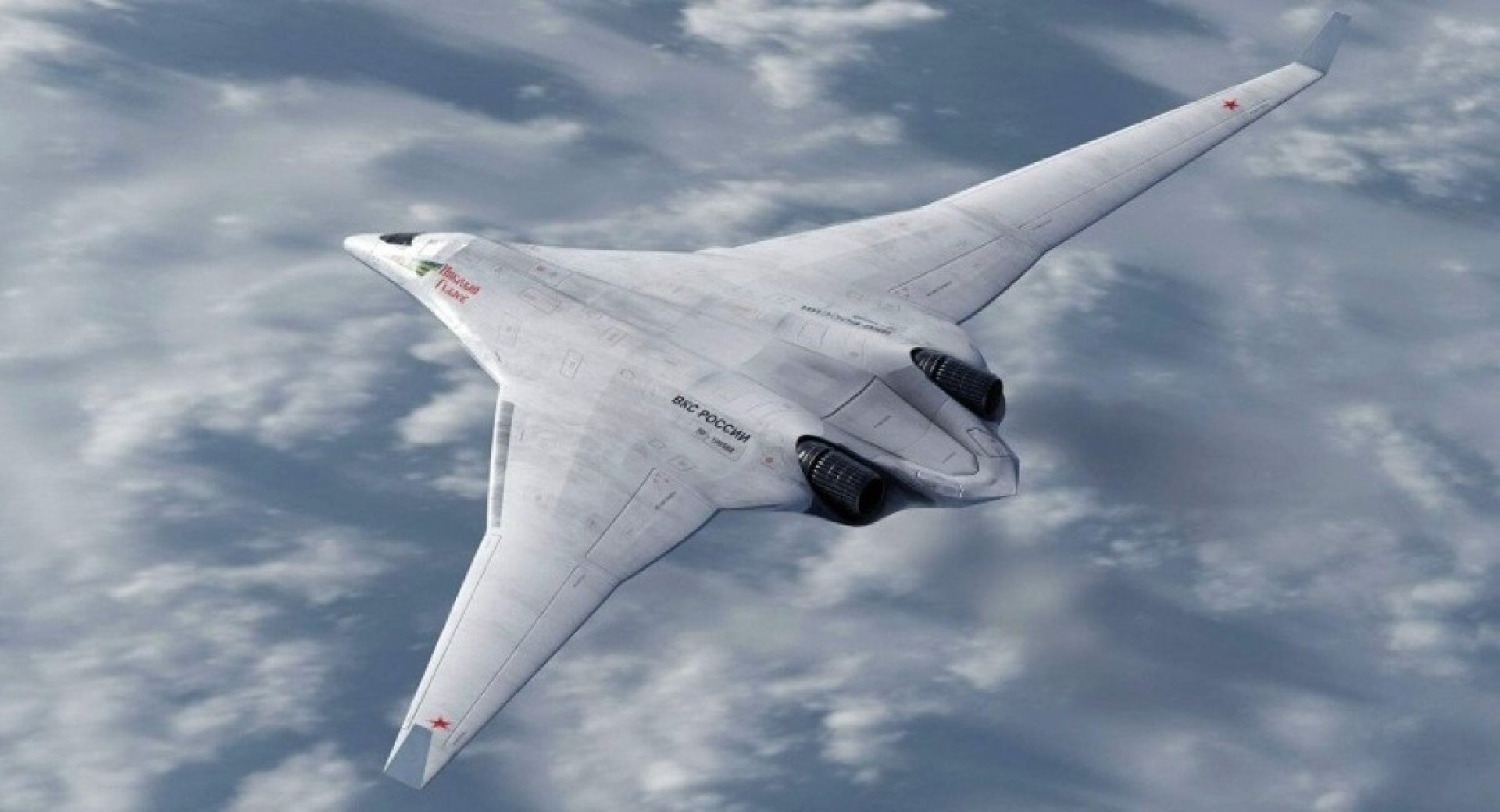
A new intelligence leak has revealed how Russia’s most advanced military aviation programs—including the strategic stealth bomber PAK DA and Su-57 fighter jet—depend heavily on foreign technologies despite years of domestic development efforts.
 Prefer U24 Media on Google
- Authors




The international intelligence community InformNapalm, in cooperation with the cyber center Fenix, has published classified materials from Russia’s defense industry revealing technical documentation for the country’s latest strategic bomber and fifth-generation fighter jet.
According to InformNapalm, the cyber operation targeted the Russian company OKBM, which develops components for both military and space systems.
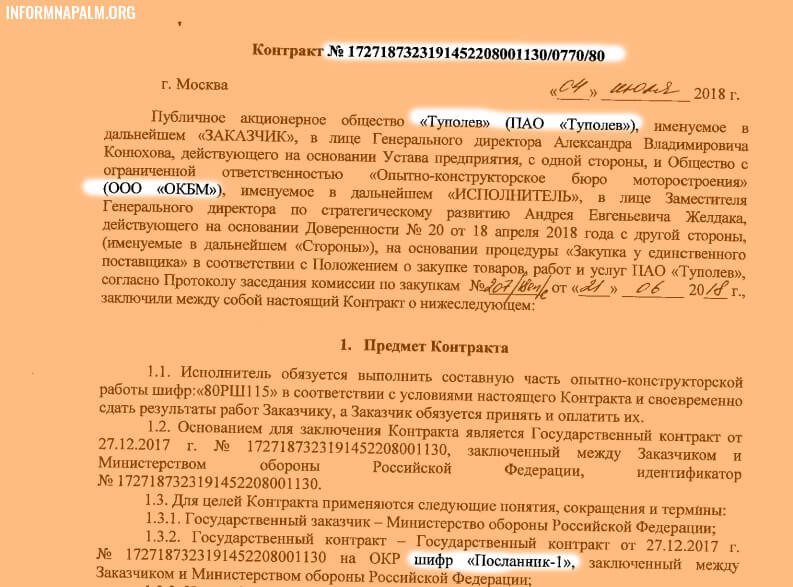
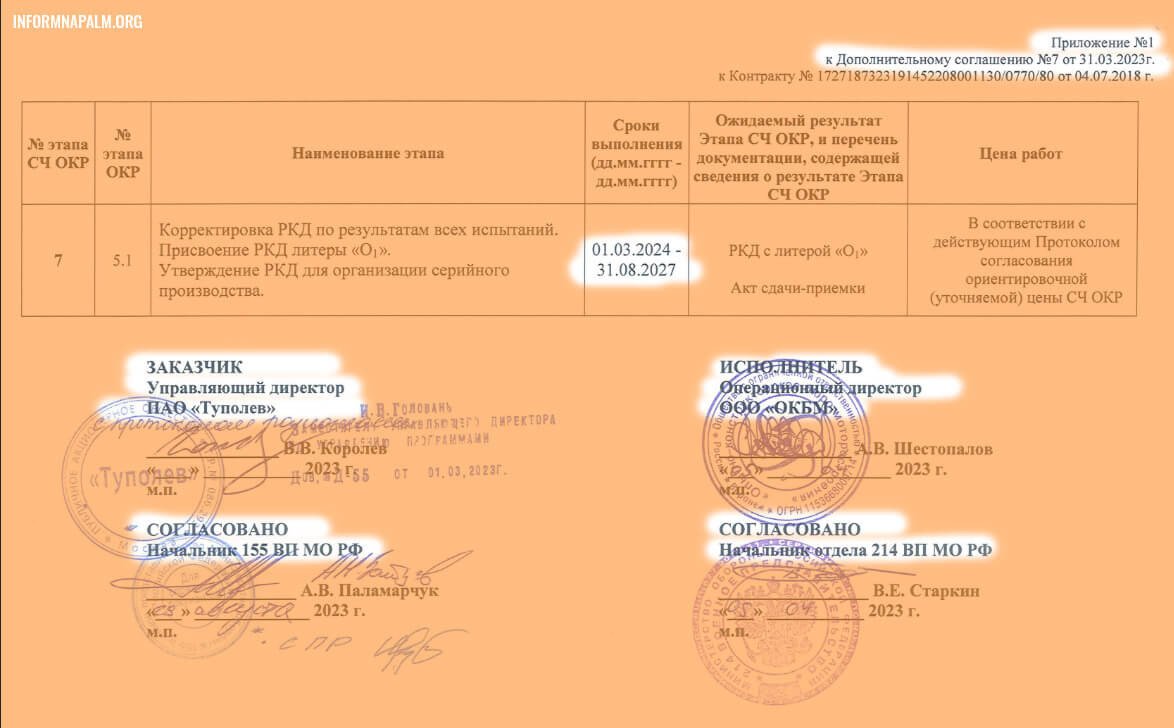
Hackers reportedly accessed internal correspondence and engineering files related to the PAK DA “Poslannik” strategic bomber and the Su-57 fighter. The obtained documents had been used “for months in the interests of Ukraine’s Defense Forces and allied nations,” the group said.
The PAK DA (Prospective Aviation Complex for Long-Range Aviation), codenamed “Poslannik”, is Russia’s next-generation strategic bomber project developed by Tupolev.
Designed to eventually replace the aging Tu-95 and Tu-160 bombers, the PAK DA is envisioned as a stealthy, subsonic, flying-wing aircraft capable of carrying nuclear and conventional payloads.
First conceptualized in the early 2000s, the PAK DA aims to introduce low radar visibility, advanced avionics, and long-range strike capabilities. However, the project has faced repeated delays and funding shortages.
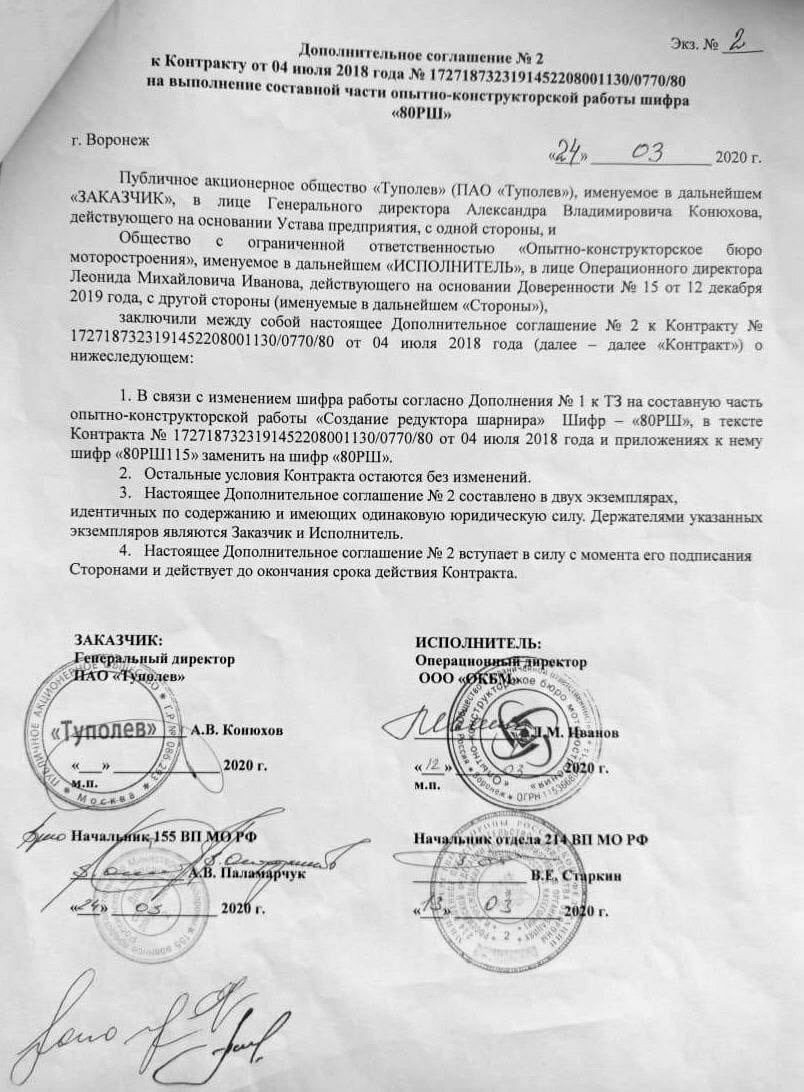
The leaked files include specifications for hydraulic actuators coded “80RSh115,” designed for opening the PAK DA’s bomb bay doors.
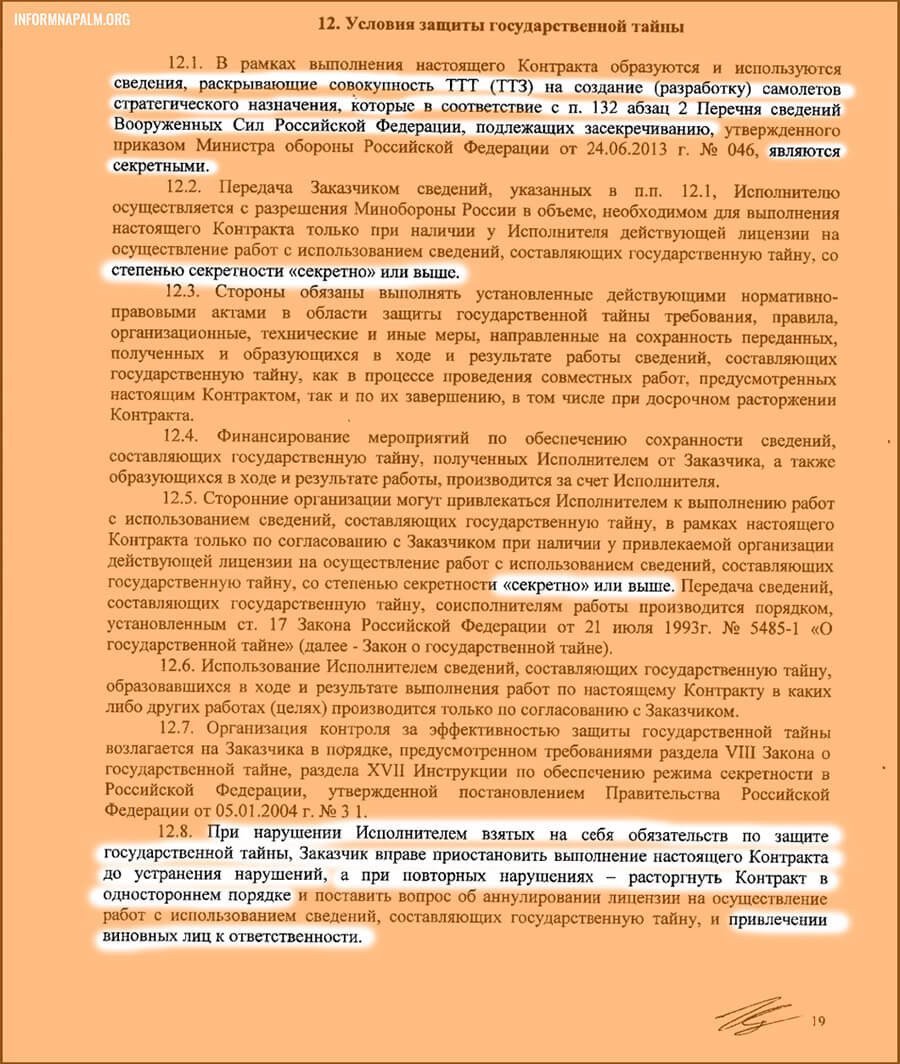
A state contract between Tupolev and OKBM classifies these details as secret and allows for termination in case of a confidentiality breach. Additional agreements outline production stages planned between 2024 and 2027.
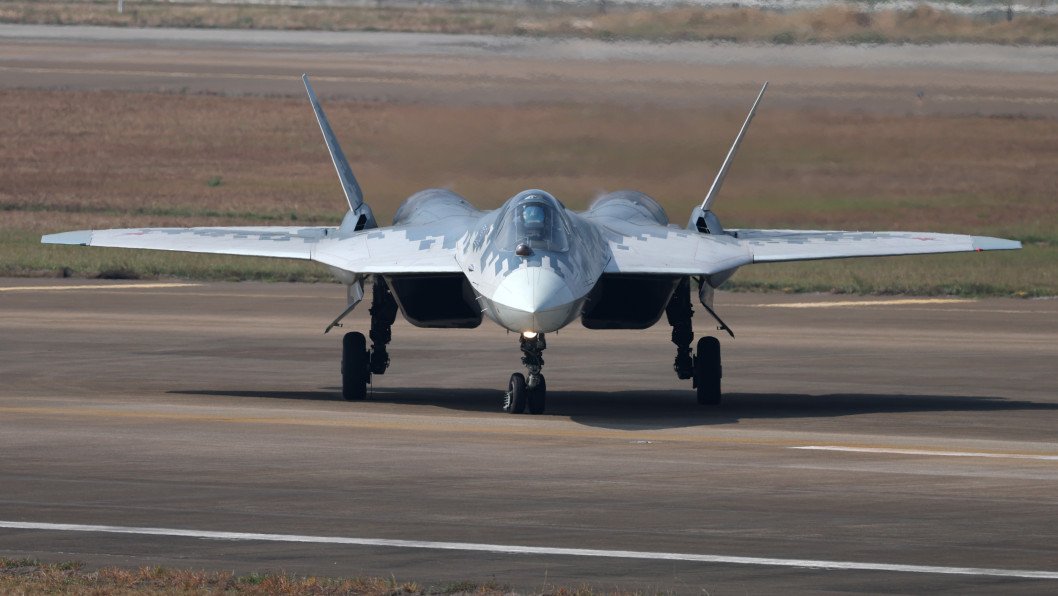
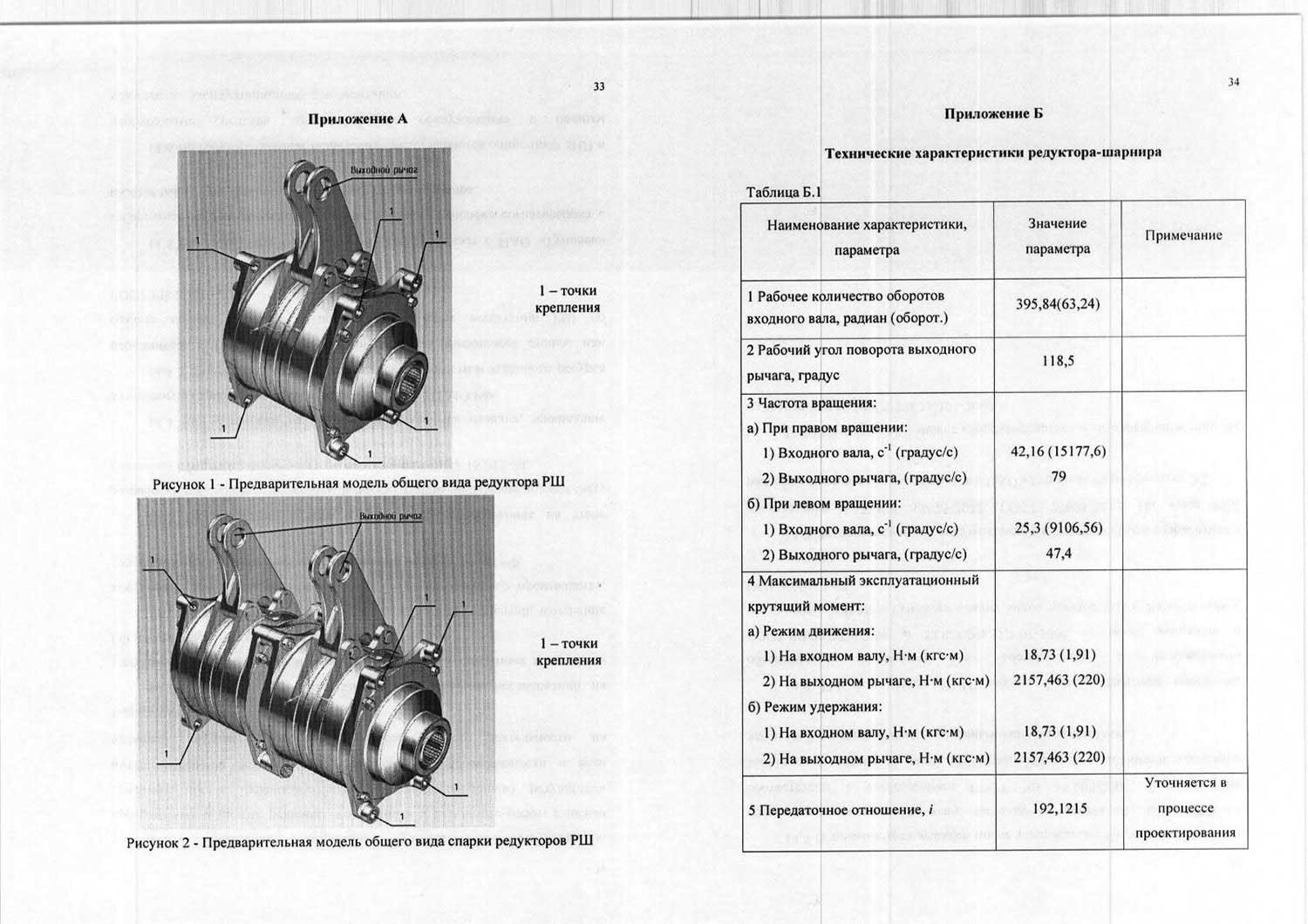
Other recovered documents concern the RSh-65 gearbox-joint systems used in the Su-57’s weapon bay actuators, confirming OKBM’s participation in projects under Russia’s state defense order. The materials also indicate that the company struggles to produce critical components domestically, relying heavily on imported CNC machinery.
According to the investigation, OKBM used Taiwan-made Hartford HCMC-1100AG and Johnford SL-50 machines, as well as a Serbian Grindex BSD-700U CNC grinder, purchased through subsidies from Russia’s Ministry of Industry and Trade. InformNapalm noted that these transactions demonstrate direct government support for sanction evasion schemes.
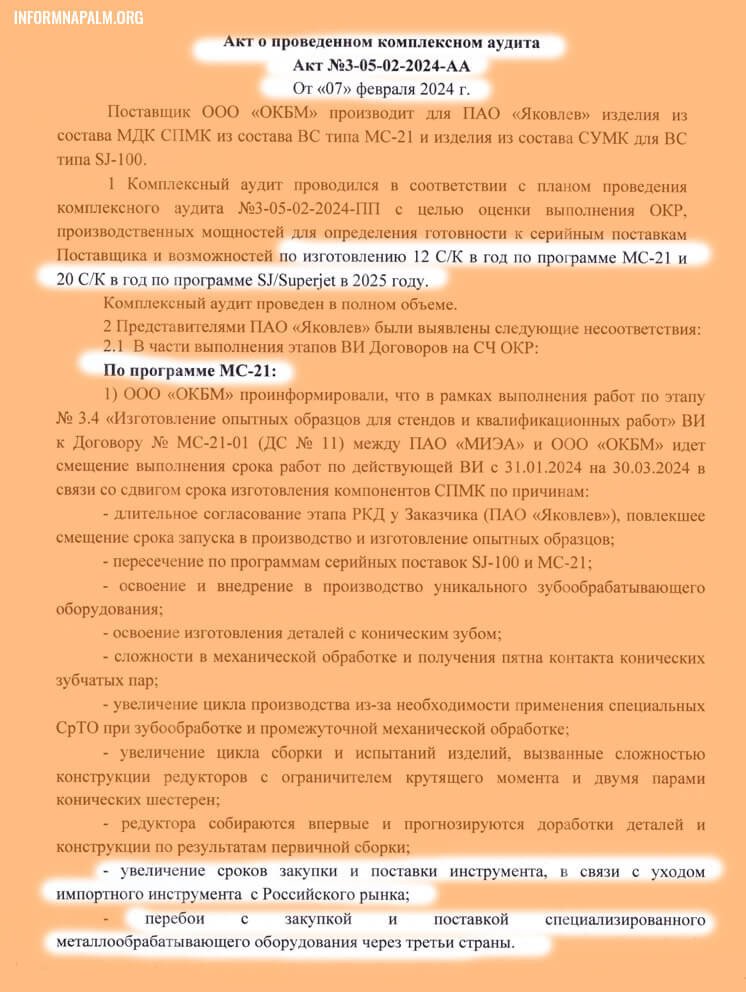
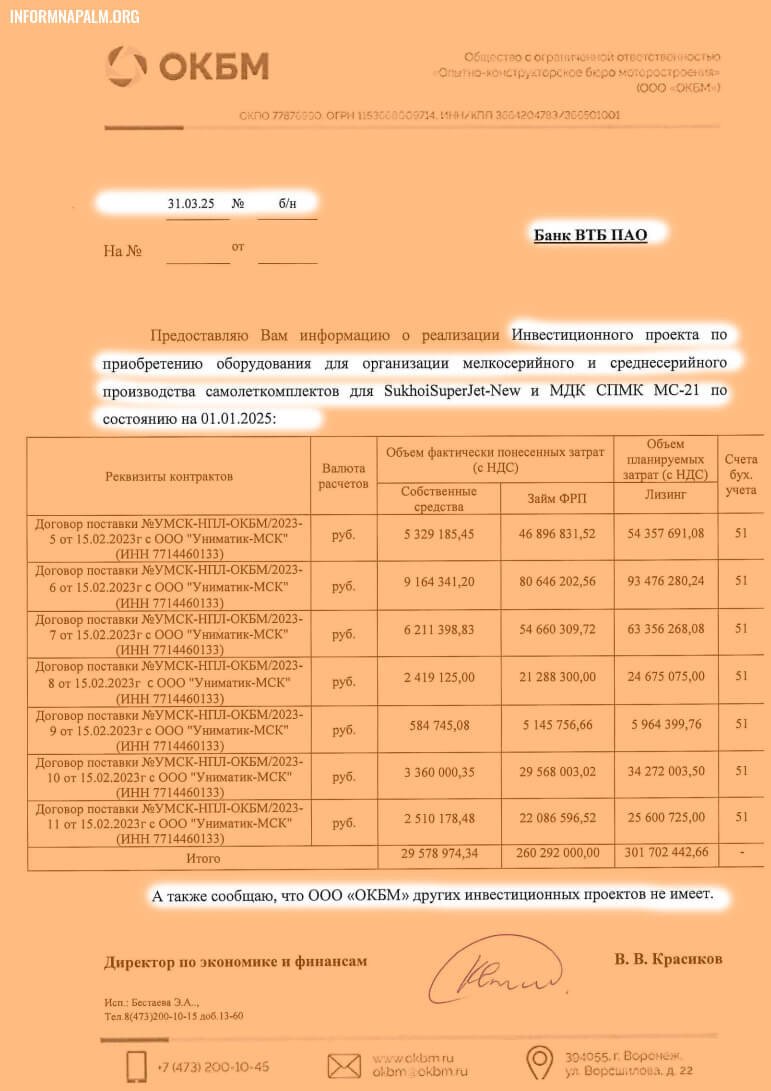
Audit reports within the leak show delays in aircraft production programs due to shortages of foreign manufacturing equipment after Western companies exited the Russian market.
On October 23, 2025, OKBM was officially included in the European Union’s 19th sanctions package, following findings that the company plays a key role in Russia’s weapons production and depends on imported high-precision tools.
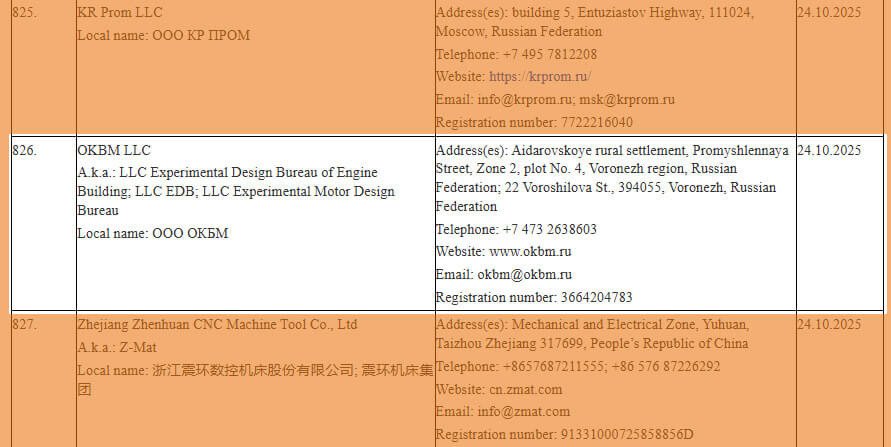
InformNapalm and Fenix stated that this leak—codenamed “OKBMLeaks”—is only the first installment of a broader series of publications aimed at exposing Russia’s defense dependencies and vulnerabilities in its aviation manufacturing sector.
Earlier, the Institute for the Study of War (ISW) reported that Russia is struggling to expand its warplane production despite major infrastructure investments at the Kazan Aviation Plant.
Discuss this article:
-4a56a6b482ec132402c16ef6fcabf9a2.png)




-72b63a4e0c8c475ad81fe3eed3f63729.jpeg "Photo of Cyril Barabaltchouk")

-111f0e5095e02c02446ffed57bfb0ab1.jpeg "Photo of Roman Kohanets")