- Category
- Latest news
As Russia’s Shadow War Escalates, Drone and Cyber Threats Put Europe’s Energy at Risk
 Prefer U24 Media on Google
- Authors


-111f0e5095e02c02446ffed57bfb0ab1.jpeg "Photo of Roman Kohanets")

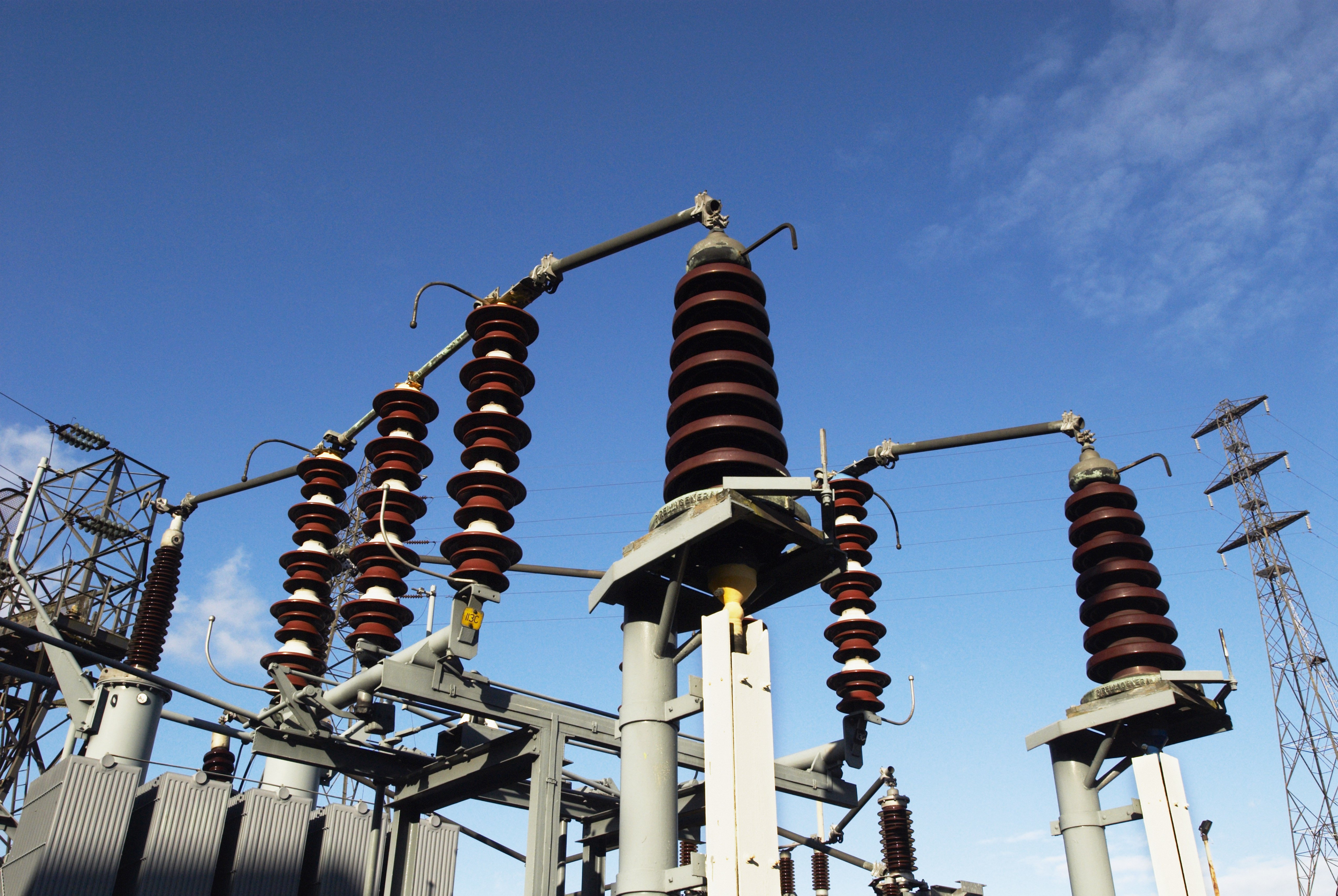
A surge in suspected hybrid actions by Russia—ranging from airspace incursions to cyberattacks —is raising concerns for Europe’s energy security just as the heating season approaches according to Reuters on October 13 .
So far, no direct strikes have hit critical infrastructure, but energy markets are entering winter on a fragile balance of supply and demand. Even limited sabotage could cause sharp price spikes for heat and electricity.
Drone Incidents and Cyber Disruptions
Over recent weeks, Northern and Central Europe have reported a wave of drone-related incidents and airspace violations. Poland has shot down suspected drones, and Russian aircraft have breached Estonian airspace.
According to the Center for European Policy Analysis (CEPA), at least 38 incidents have been documented since the first twenty drones appeared over Poland in September.
Alongside these incursions, there has been jamming of maritime navigation systems, cyberattacks, and suspicions of direct sabotage of infrastructure.
Why Energy Infrastructure Is Vulnerable
Europe’s energy network consists of thousands of kilometers of undersea and overland gas pipelines, power cables, LNG terminals , compressor stations, offshore fields, and renewable energy installations. Vulnerabilities have grown in the context of Russia’s war against Ukraine.
Ukrainian forces have struck Russian oil refineries, while Russian attacks have targeted Ukrainian gas facilities. This escalating conflict creates a fertile environment for hybrid operations against EU energy assets.
Strategies Moving Forward
Energy analysts argue that Europe must keep diversifying its energy sources and routes. This means expanding renewable power and energy storage, building up strategic reserves, and strengthening maritime and cyber surveillance. Governments and private operators have learned hard lessons since 2022, when the abrupt shift from Russian pipeline gas to LNG showed both Europe’s adaptability and the steep cost of that transition.
Earlier, it was reported that EU Commission President Ursula von der Leyen publicly stated that Russia is waging a hybrid war on Europe, citing recent drone incursions, underwater cable damage, cyberattacks, and influence operations.

Discuss this article:

-c439b7bd9030ecf9d5a4287dc361ba31.jpg "Photo of Katherina Popilnichenko")