- Category
- Latest news
Sanctions Loophole: Russian Oil May Be Entering Australia via Macquarie-Linked Terminal
 Prefer U24 Media on Google
- Authors


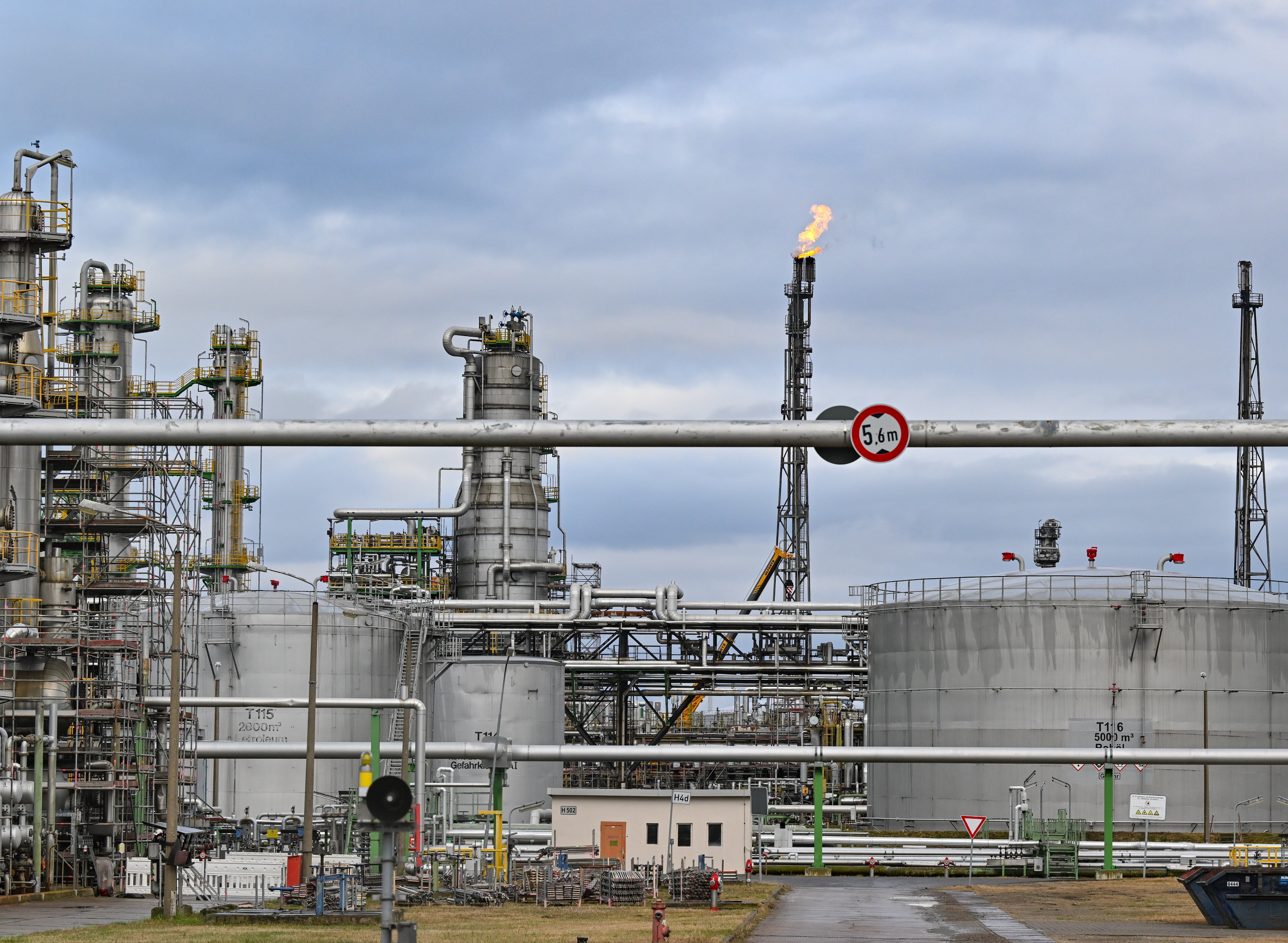
Evidence suggests a substantial volume of Russian-origin oil, totaling millions of tonnes, has been channeled through a port facility where Macquarie Bank holds a partial ownership interest, raising concerns that these shipments may have ultimately reached Australian markets.
According to The Guardian on November 9, this discovery of an ongoing connection between Australia and the commerce of Russian-sourced commodities reveals additional weaknesses in the government's current sanctions regime, particularly since Australia has been slower than both the European Union and the United Kingdom in implementing more rigorous import restrictions.
While Australia ceased the direct acquisition of Russian fuel following the full-scale invasion of Ukraine, analysis from the Europe-based Centre for Research on Energy and Clean Air (Crea) indicates that the nation has still imported over three million tonnes of refined oil products sourced from Russia since the beginning of 2023.
This is facilitated by current Australian sanctions, which permit commercial transactions involving Russian-origin goods when routed through intermediary nations. Crea’s Europe analyst, Vaibhav Raghunandan, noted that this provision provides a means for Australian purchasers to indirectly bolster Russia’s oil revenue stream and subsequently contribute to the Kremlin’s tax base.
-61e3383fc39a961c714bb3b330eab5d9.png)
“This is a significant loophole being exploited by Australian buyers who, while on the right side of the law, are undoubtedly on the wrong side of the ethics of it,” Raghunandan said. “It clearly undermines Australia’s support for Ukraine. It not only allows the continued flow of Russian oil but also allows Australian companies to profit off it.“
According to The Guardian, since January 2023, government statistics show that approximately one-quarter of Australia's refined petroleum imports have originated in Singapore. Over the corresponding period, the Southeast Asian hub has received in excess of 22 million tonnes of refined oil products from Russia, based on an independent review of Kpler trade data by Australian chemical engineer Mark Corrigan, subsequently validated by Crea.
A notable one-third of this Russian volume transited through the Jurong Port Universal Terminal, which is connected to a Macquarie investment fund.
A spokesperson for Macquarie affirmed that the majority stake in the terminal is held by an entity controlled by the Singaporean government, and all operations adhere to relevant Singaporean and international laws. A separate terminal representative confirmed that robust compliance processes are in place to ensure due diligence and full compliance with all applicable sanctions.
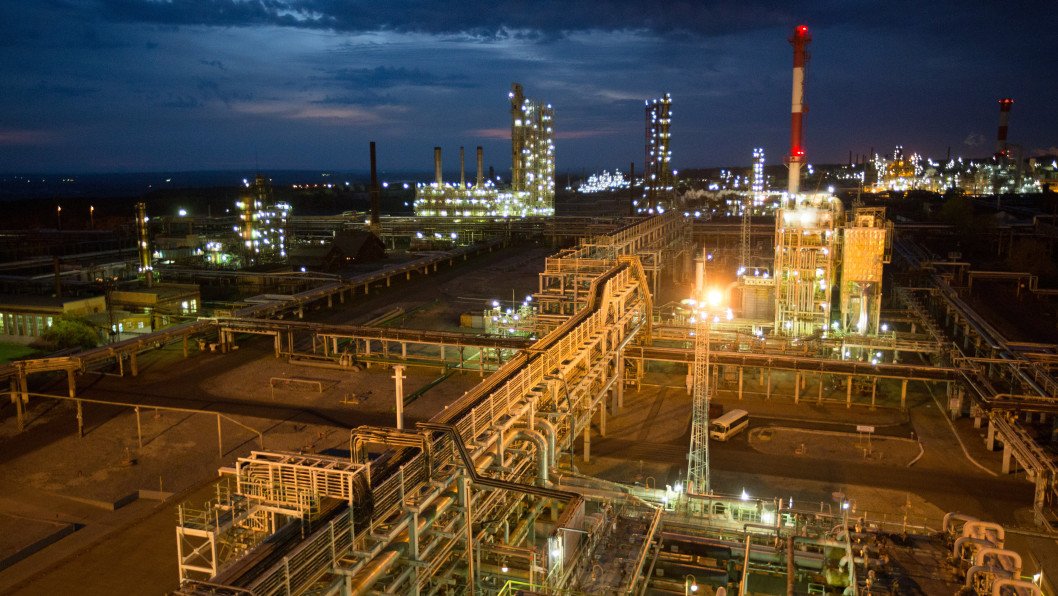
However, when asked, neither representative provided details on the specific financial returns Macquarie has received from its terminal investment, nor could they definitively guarantee that no Russian-origin oil handled by the terminal had been sold onward to Australian clients, The Guardian reported.
Kateryna Argyrou, Chair of the Australian Federation of Ukrainian Organisations, has publicly urged Macquarie Bank to conduct a comprehensive review of its holding in the terminal and to disclose whether the facility played any role in processing Russian oil.
“Australia cannot stand with Ukraine while Australian capital helps sustain Russia’s war economy,” Argyrou said. “Every drop of Russian oil sold helps finance the destruction of Ukrainian homes and lives. Australians deserve to know whether their banks and investment funds are profiting from that.”
Earlier, the Australian government disclosed the imposition of fresh, specific financial restrictions and corresponding travel prohibitions targeting fourteen individuals who have been involved in either the repression of political liberties within Russia or the provision of assistance to Moscow's unlawful military actions against Ukraine.
Discuss this article:

-72b63a4e0c8c475ad81fe3eed3f63729.jpeg "Photo of Cyril Barabaltchouk")

-111f0e5095e02c02446ffed57bfb0ab1.jpeg "Photo of Roman Kohanets")