- Category
- Latest news
Shahed-Like Drones Spotted Over Caracas—This Time They Were American
 Prefer U24 Media on Google
- Authors



US forces employed one-way attack drones during airstrikes on Caracas on January 3 as part of Operation “Absolute Resolve,” marking the first confirmed large-scale combat use of suicide-style loitering munitions by the United States, Defense Blog reported on January 6, citing sources and newly surfaced visual evidence from Venezuela.
Videos recorded by residents during the strikes captured the distinctive engine sound of incoming aerial systems moments before impact.
We bring you stories from the ground. Your support keeps our team in the field.
Analysts note that the audio closely matches the characteristic buzz associated with Shahed-136-type loitering munitions, lending credibility to reports that US forces deployed LUCAS one-way attack drones during the operation.
According to sources in Venezuela, reports of US suicide drone use began circulating as early as January 3. The newly released footage appears to confirm those claims, aligning with known flight profiles and acoustic signatures of propeller-driven loitering munitions.
El zumbido previo a las explosiones, se presume se debe al debut en combate del drone Spektre Works LUCAS (Low-cost Unmmaned Combat Attack System), en la operación Absolute Resolve 🇺🇸 ⚔️.
— Zona Defensa (@ZDefensa) January 6, 2026
.
.#absoluteresolve #uav #dronelucas #caracas #venezuela🇻🇪 pic.twitter.com/pVEgASC1Vg
While the drones heard over Caracas were described by witnesses as “Shahed-like,” the system involved was not of Iranian or Russian origin.
Instead, the platform identified was the US-developed LUCAS loitering attack drone—a low-cost, expendable system designed for one-way strike missions against fixed and semi-fixed targets.
LUCAS drones are launched toward a designated area, loiter while awaiting final targeting data, and then execute a terminal dive onto the objective. Their small internal combustion engines produce a distinct acoustic signature similar to other propeller-driven loitering munitions used in recent conflicts.
Another picture of a Starlink mounted on a Low-Cost Unmanned Combat Attack System (LUCAS) drone https://t.co/SDVp4gZjCK pic.twitter.com/LyxwcL5fso
— Robin (@xdNiBoR) December 4, 2025
The use of LUCAS during the Caracas strikes signals a notable shift in how the US military employs unmanned systems in combat. While Washington has long relied on reusable armed drones such as the MQ-9 Reaper, those platforms function as persistent strike aircraft rather than expendable weapons.
Operation “Absolute Resolve” marks the first confirmed instance in which US forces employed suicide-style drones at scale in real-world combat conditions.
🚨🚨UPDATE🚨🚨 4 of the MQ-9 Reapers deployed at BQN TJBQ seen today January 5, 2026#mq9reaper #usaf #drone #puertorico #militaryaviation pic.twitter.com/0XWAbR3yds
— Karma_52 Images (@Karma52images) January 6, 2026
The January 3 operation involved a wide range of air assets, including fighter jets, bombers, electronic warfare platforms, helicopters, and unmanned systems. While US officials have acknowledged the overall scope of the operation, they have not publicly detailed the specific role played by loitering munitions.
The emergence of drone engine audio resembling Shahed-type systems highlights how loitering munitions have become a standard element of modern strike packages, offering a lower-cost option that reduces risk to aircrews while expanding targeting flexibility.
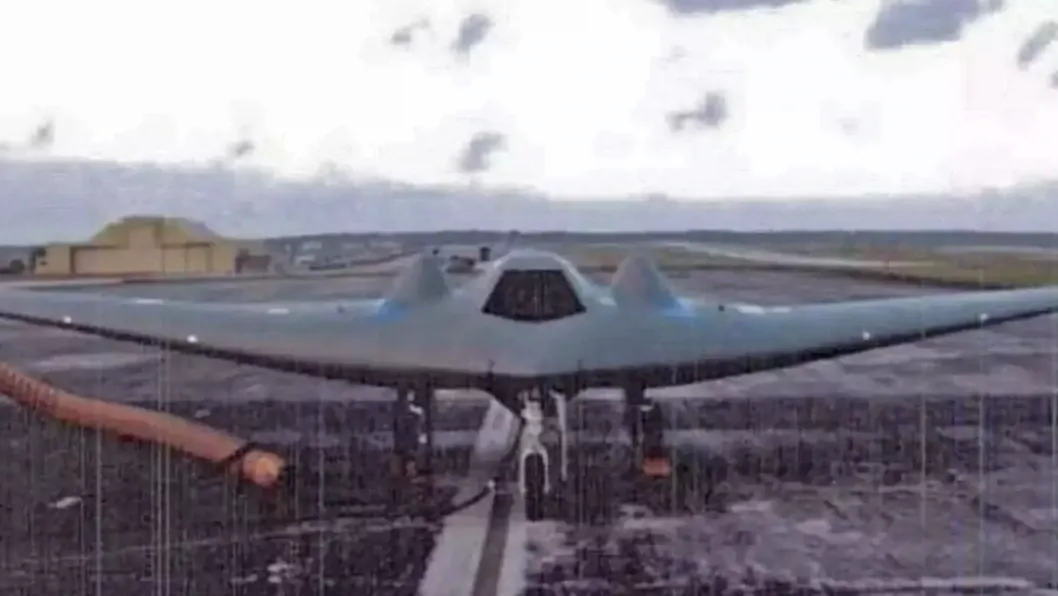
As of publication, US officials have not released details regarding the number of LUCAS drones used or the specific targets they struck during the Caracas operation.
Earlier, US Secretary of Defense Pete Hegseth questioned the effectiveness of Russian-made air defense systems deployed in Venezuela, referencing a recent US operation in Caracas that resulted in the capture of Venezuelan President Nicolás Maduro.
Discuss this article:



-c439b7bd9030ecf9d5a4287dc361ba31.jpg "Photo of Katherina Popilnichenko")