- Category
- Latest news
The World’s Building Laser Defenses—But Can They Survive a Real War?
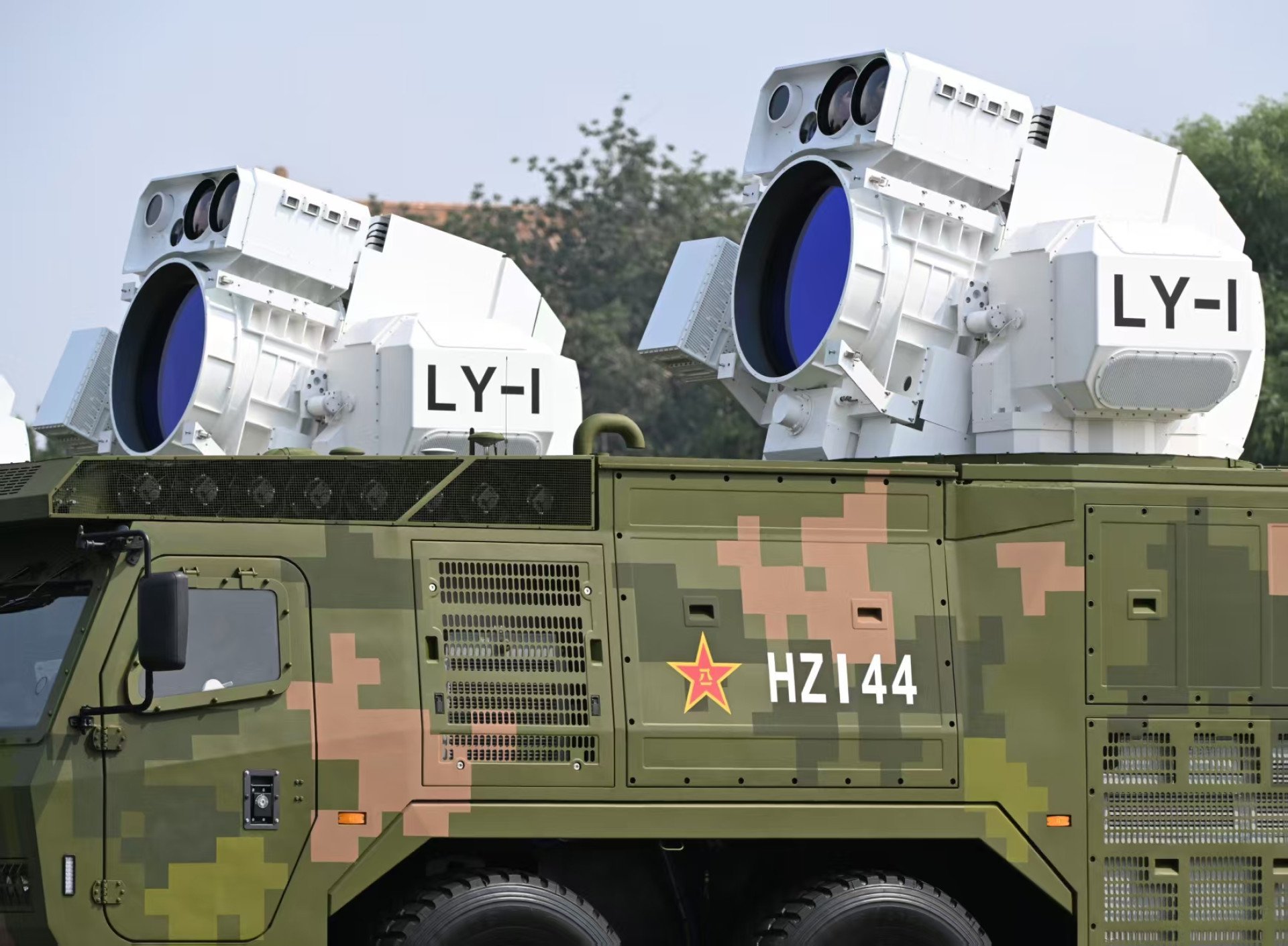
Lasers can shoot down drones for pennies—but why are they still failing on real battlefields? From London to Beijing, nations are showcasing laser air defense systems as the future of warfare. But recent reports suggest these weapons might be more fragile than their futuristic image implies.
 Prefer U24 Media on Google
- Authors


As the threat from drones continues to grow, several nations are investing heavily in laser-based air defense systems.
However, according to Defense Express on October 21, experts caution that laser weapons—though promising on paper—are far from being the “revolutionary” solution often presented in defense marketing.
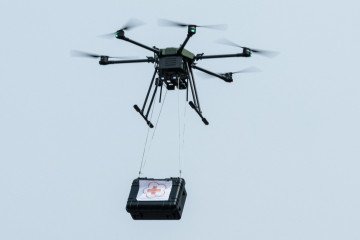
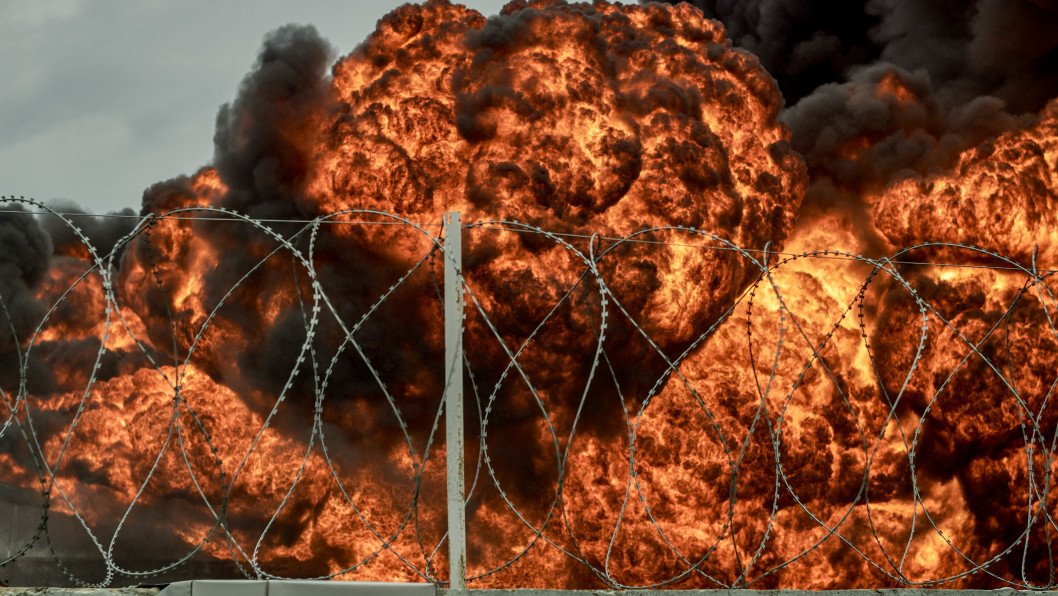
In recent years, drone attacks have disrupted airports, struck oil facilities, and challenged traditional air defense systems worldwide.
Conventional surface-to-air missiles have proven effective but too expensive to counter small and inexpensive UAVs. Meanwhile, electronic warfare systems have become less reliable as drone developers adopt optical and fiber-based control methods.
This has prompted countries to explore directed-energy weapons, including high-power microwave systems and, most notably, combat lasers.
Defense Express reports that such research dates back to the Cold War, and by the time of Russia’s full-scale invasion of Ukraine, several prototypes were already undergoing field testing.
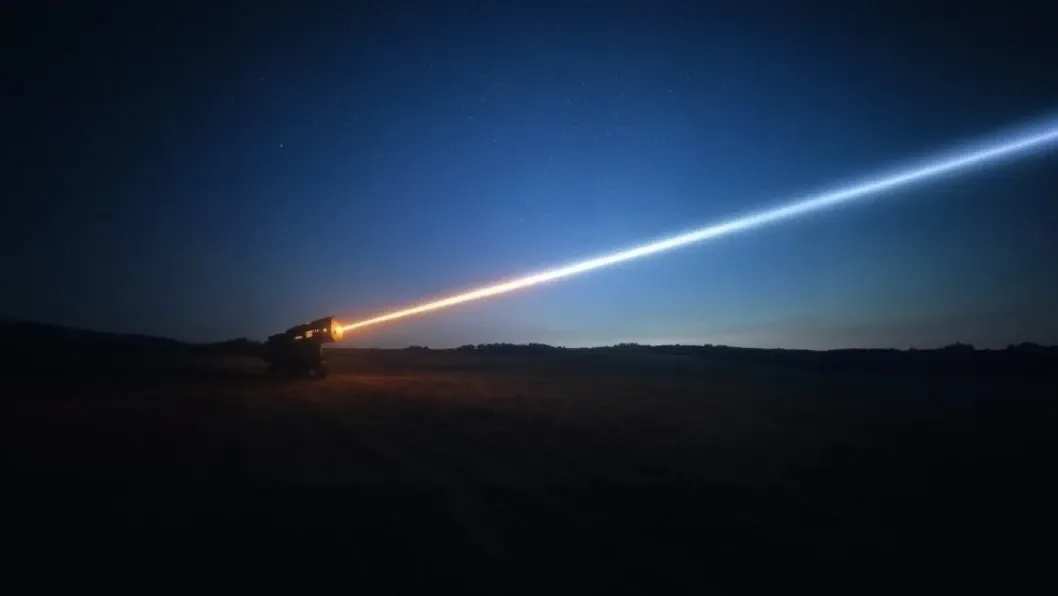
Among current developments, the United Kingdom’s DragonFire laser is expected to enter service in 2027, with officials considering potential delivery to Ukraine.
Similar programs are underway across Europe, while the United States is testing both shipborne laser defenses and DE M-SHORAD systems mounted on Stryker armored vehicles. Japan, India, Turkey, South Korea, and Ukraine are also pursuing their own projects.
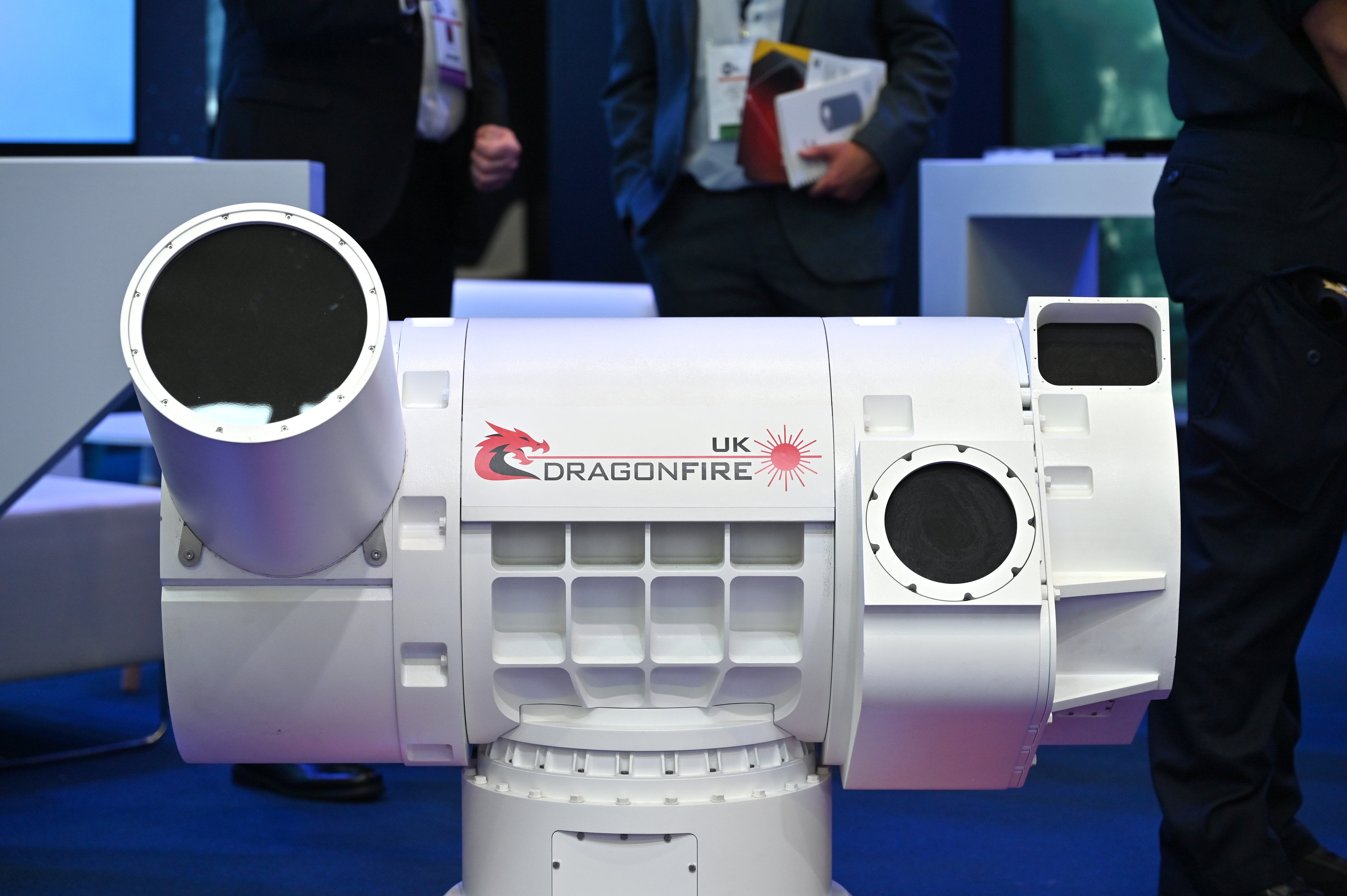
One of the key advantages of laser weapons is their low cost per shot. Unlike missiles, lasers rely on electrical energy rather than physical ammunition, potentially reducing operational expenses. However, Defense Express notes that practical limitations remain significant.
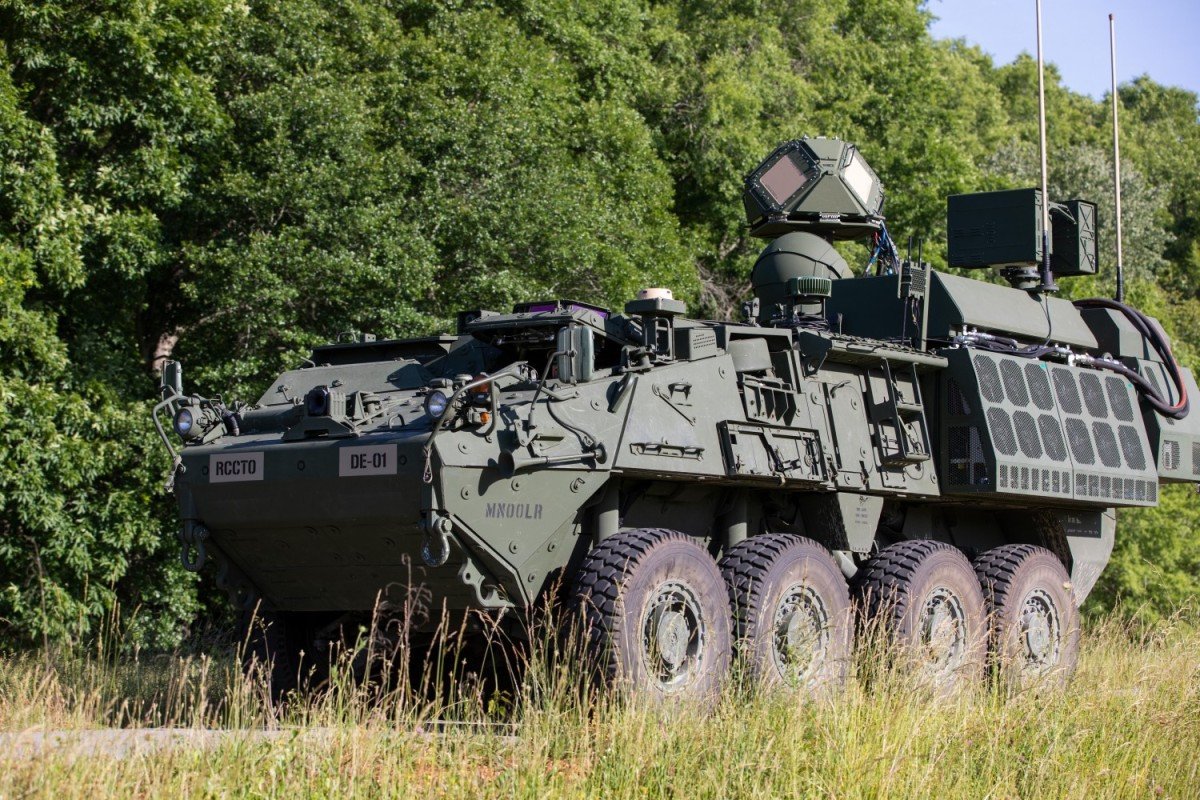
Israel has reported limited combat use of laser defenses, while Russia has employed Chinese-made laser systems in Ukraine, such as the Silent Hunter, originally designed for short-range interception. Yet these systems have faced major challenges.
According to Defense Express, Saudi Arabia—one of the customers of Chinese laser technology—has complained that some systems require up to 15–30 minutes to disable a single drone due to heat dissipation issues and adverse weather conditions.
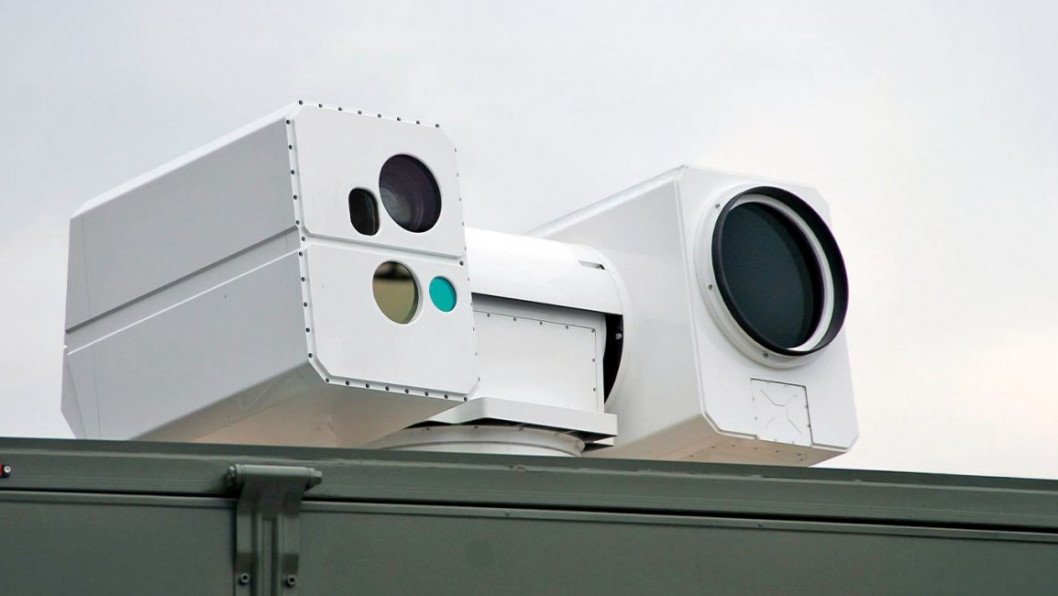
Analysts point out that laser performance depends heavily on environmental factors such as humidity, dust, and atmospheric turbulence. The need for large power supplies and cooling systems also limits their mobility and resilience.
“Lasers are not a universal, all-weather solution,” Defense Express concludes. “They can complement air defense networks but are not ready to replace missiles or guns.”
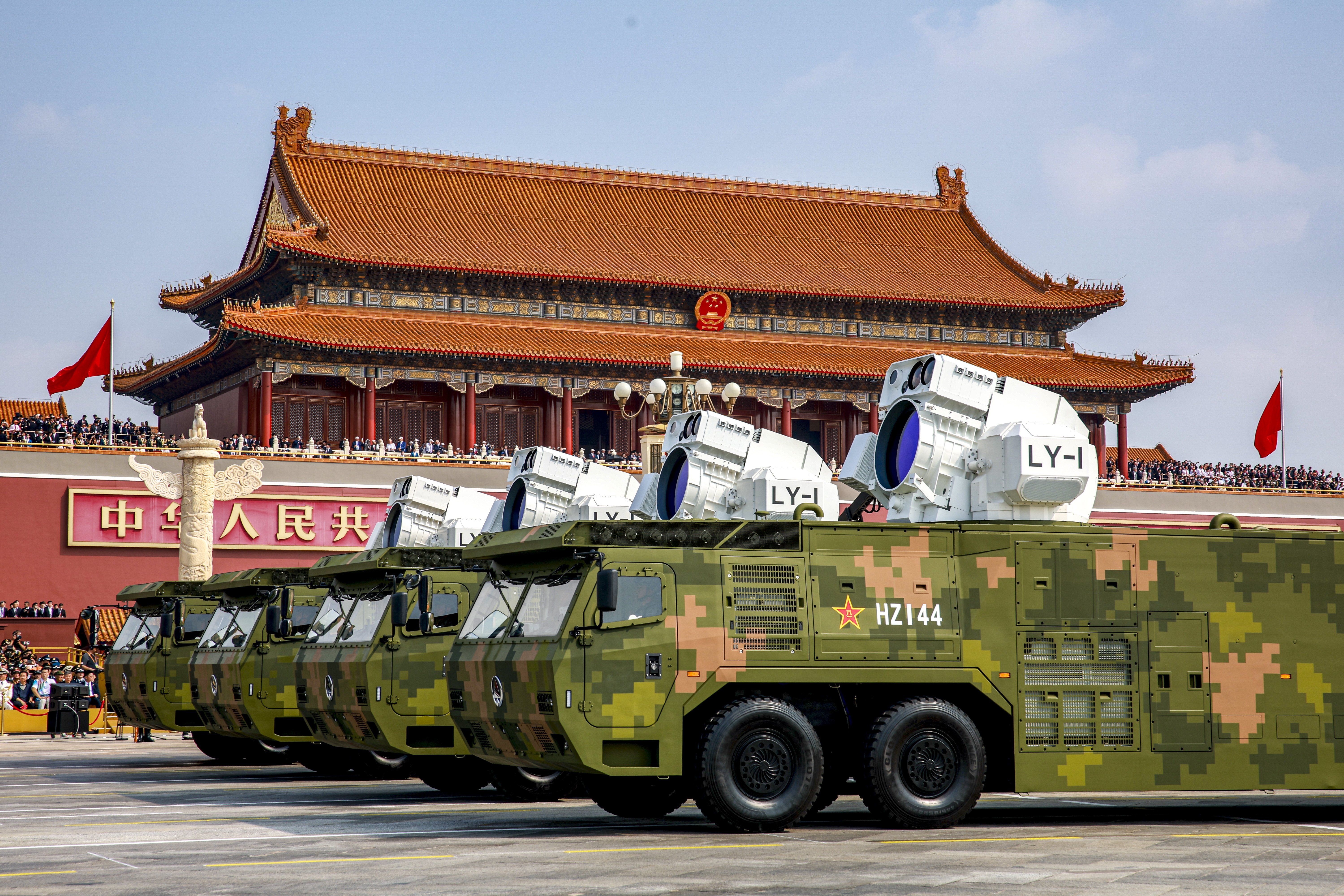
Despite these limitations, global investment in directed-energy weapons continues to grow. Defense experts suggest that countries see current programs as long-term bets—aiming to secure a technological foundation for when laser systems eventually overcome their environmental and power constraints.
Earlier in October, Russia unveiled the Ignis laser system—mounted on a Kurier unmanned ground vehicle—as a tactical demining tool, claiming it can neutralize anti-tank mines from a distance of up to 200 meters.
Discuss this article:



-c439b7bd9030ecf9d5a4287dc361ba31.jpg "Photo of Katherina Popilnichenko")