- Category
- Latest news
“Ignis” Laser Robot Emerges From Russia’s Shadow Arsenal
 Prefer U24 Media on Google
- Authors


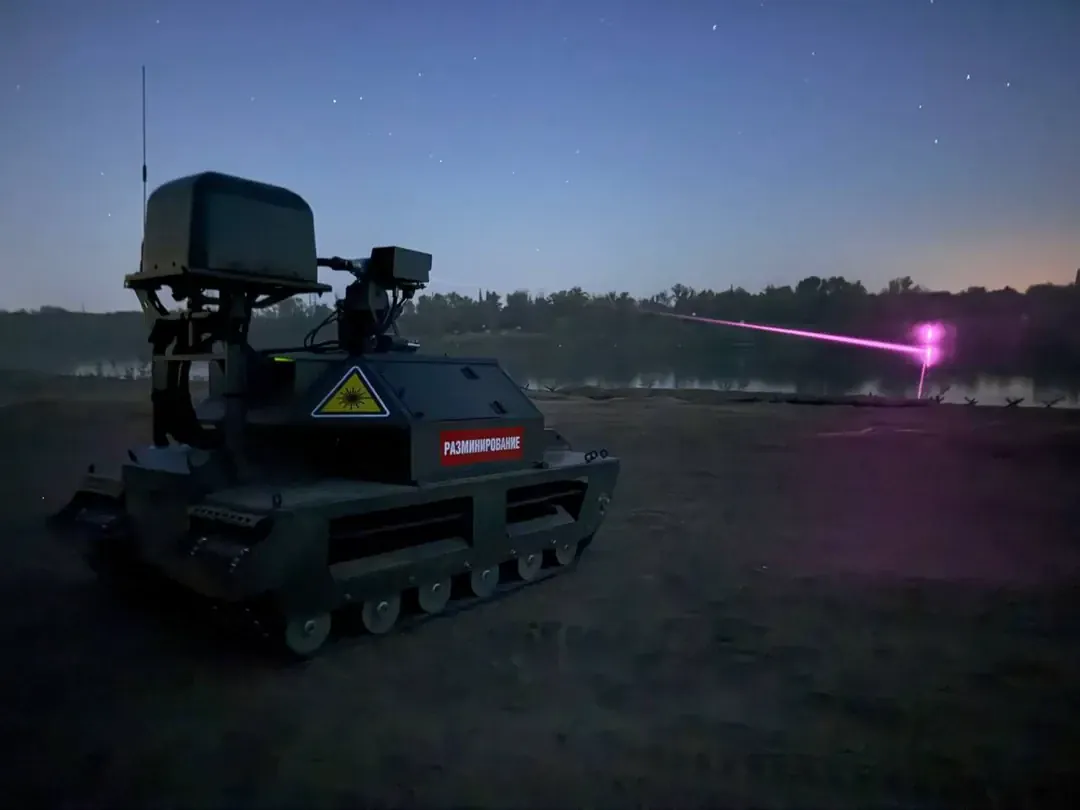
Russian Telegram channels rolled out footage and claims for a new tactical directed-energy weapon called the Ignis laser, mounted on the Kurier unmanned ground vehicle (UGV), defense media outlet Defence Blog reported on October 10.
Russian posts say the system was demonstrated by burning anti-tank mines (TM-62 series) on a riverbank and neutralizing them “without detonation.”
The Russians are testing a laser-equipped demining variant of their “Courier” UGV called “Ignis.”
— Roy🇨🇦 (@GrandpaRoy2) September 5, 2025
TM-62 and PTM-3 anti-tank landmines are apparently ignited by the laser, and as would be expected the PTM-3 burns without detonating.
The TM-62 might detonate depending on its fuze. https://t.co/sYZZFI7ibo pic.twitter.com/flaBUme3E3
The images circulating online show a compact laser turret on a tracked robotic chassis, sweeping a concentrated beam over buried and exposed mines until the casings appear to char and collapse.
Russian sources claim an operational engagement range of roughly 150–200 meters and present Ignis as a remote demining and engineering tool that can dispose of explosive hazards while keeping sappers out of harm’s way.
Moscow frames Ignis as part of a wider push into battlefield directed-energy systems. Unlike strategic, fixed installations such as the Peresvet program, Ignis is described as a short-range, mobile solution.
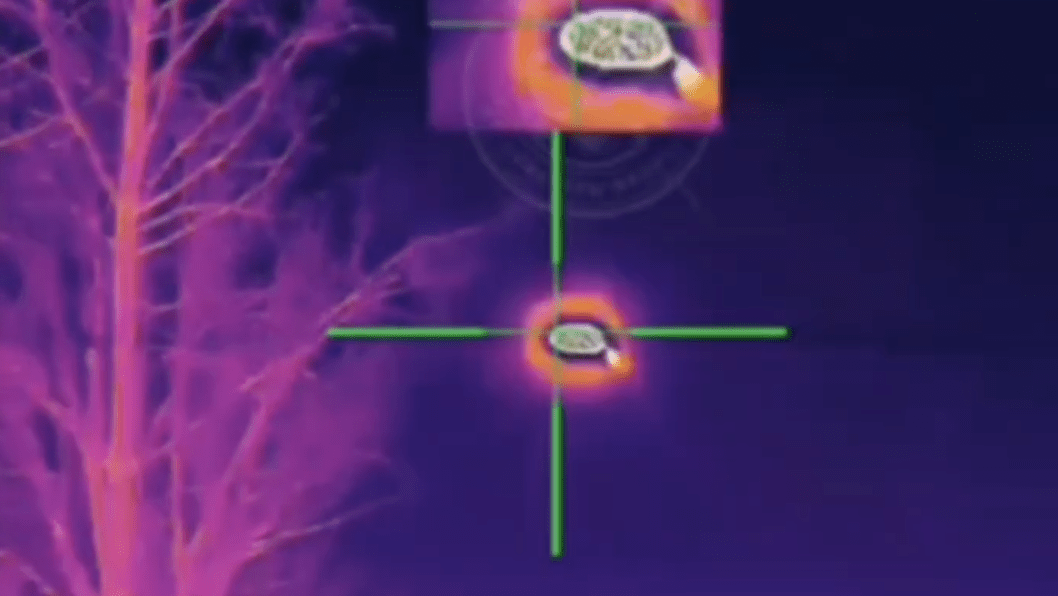
It is intended for tasks like clearing minefields, removing explosive obstacles from runways or roads, and neutralizing booby traps and anti-tank barriers.
Mounted on the Kurier UGV, the setup emphasizes remote operations and integration with robotic engineering units.
It is worth mentioning that laser weapons have some practical limitations—including required power supply, beam attenuation in smoke, dust, or precipitation, thermal effects on different explosive types, and the speed required to treat multiple munitions—that are significant factors that can blunt the battlefield utility of tactical lasers.
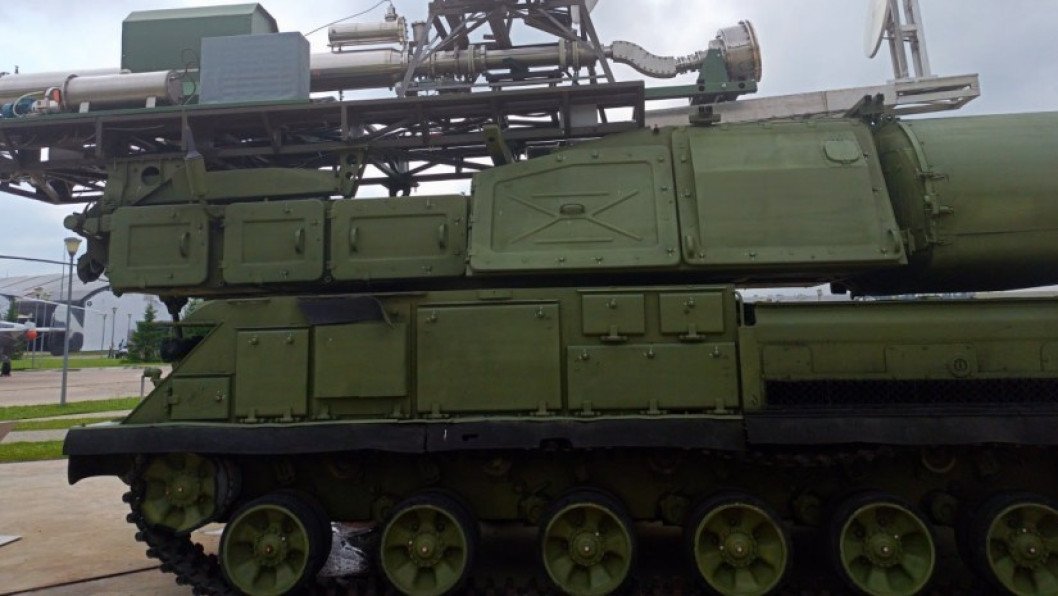
Earlier, Russia conducted a test of its new laser weapon system, part of the “Posokh” project, targeting what it described as a typical FPV drone component.
The test took place at an undisclosed location in the country’s northwest and resulted in the successful destruction of a stationary drone battery.
The laser system struck the static target from a distance of 500 meters. The duration of continuous exposure required to disable the battery was one second. Developers from LazerBuzz, the company behind the project, claim that hitting a drone’s engine mid-flight would require just two milliseconds.
Discuss this article:



-c439b7bd9030ecf9d5a4287dc361ba31.jpg "Photo of Katherina Popilnichenko")