- Category
- Latest news
Too Little, Too Late? UK Declines to Send Old Warrior IFVs to Ukraine
 Prefer U24 Media on Google
- Authors


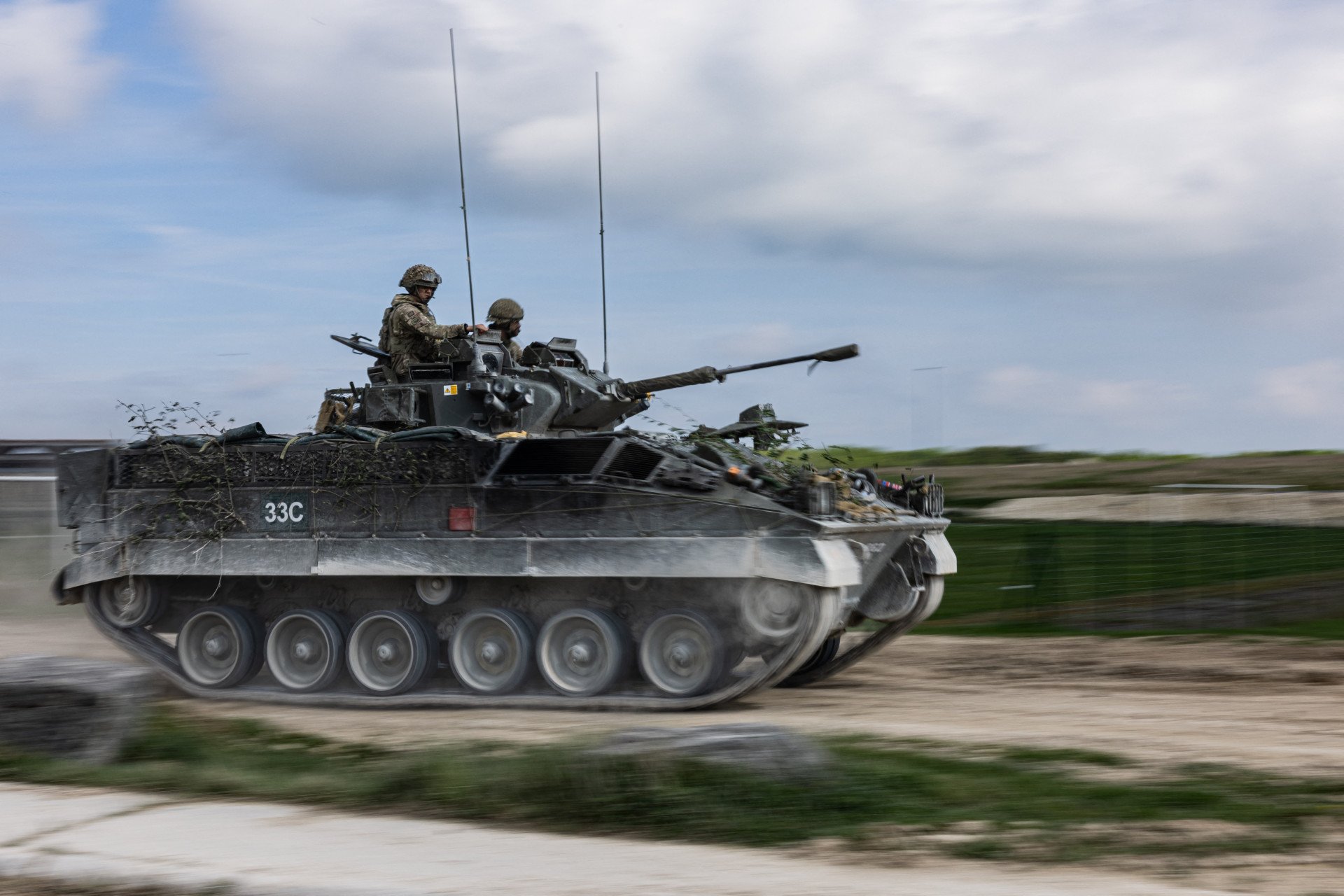
The British Army’s Warrior infantry fighting vehicles, in service since the late 1980s, are officially headed for retirement starting in 2027, but despite mounting public pressure to transfer the aging fleet to Ukraine, the UK government has refused, citing operational concerns and a lack of combat value, UK Defence Journal reported on July 15.
British officials have made it clear that Warrior IFVs awaiting disposal will not be sent to Ukraine. The Ministry of Defence argues that doing so would impose more problems than solutions for Kyiv.
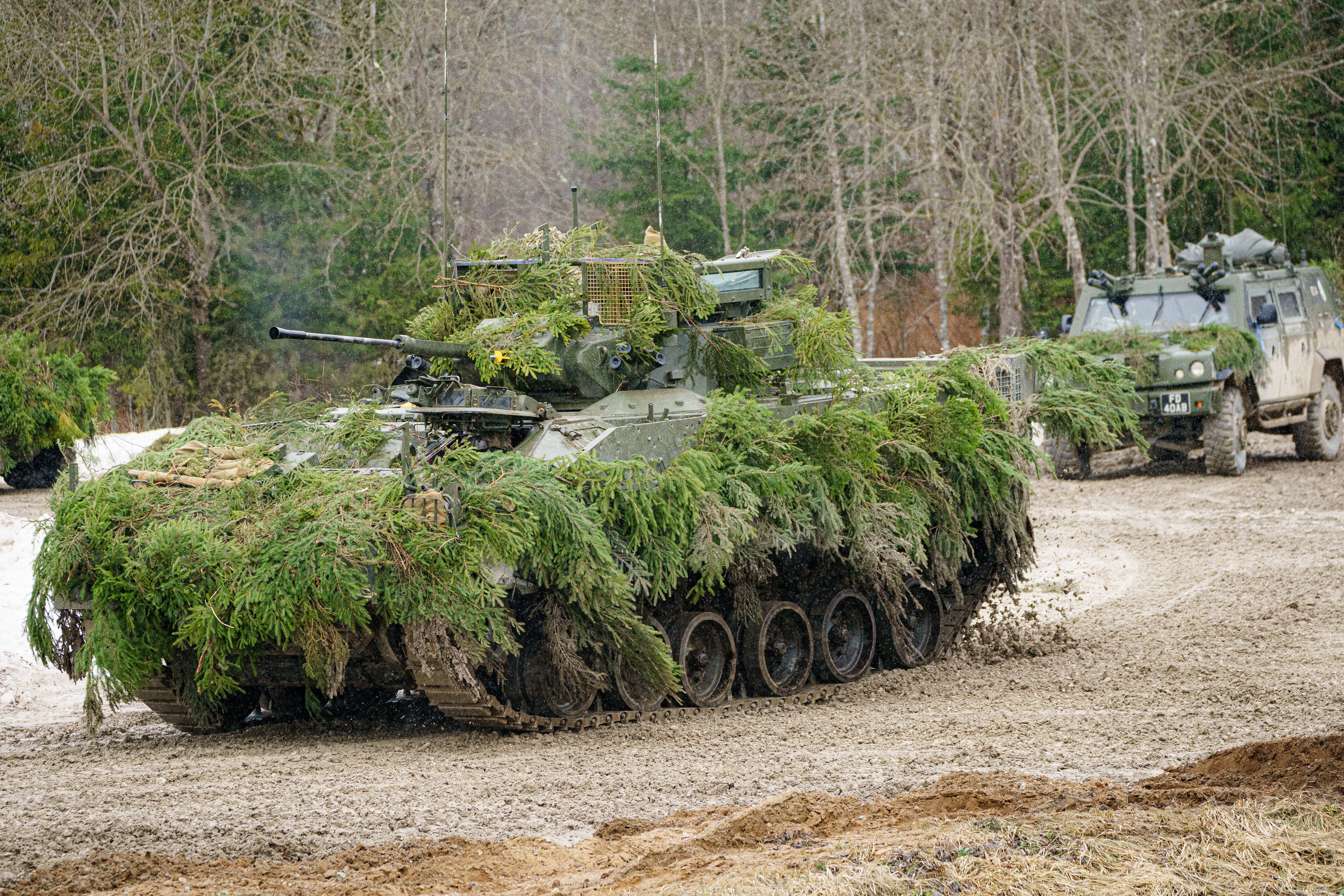
“Providing such small numbers would only increase the diversity of Ukraine’s armoured vehicle fleet, increasing their logistic and training burdens,” Parliamentary Under-Secretary of State for the Armed Forces Luke Pollard said in a written response to Labour MP Peter Lamb.
“Although small numbers are scheduled for disposal, these will have been selected in line with serviceability and suitability for role.”
The Warrior, once a backbone of British mechanized forces, was pulled from future planning after a proposed modernization program was canceled in 2021.
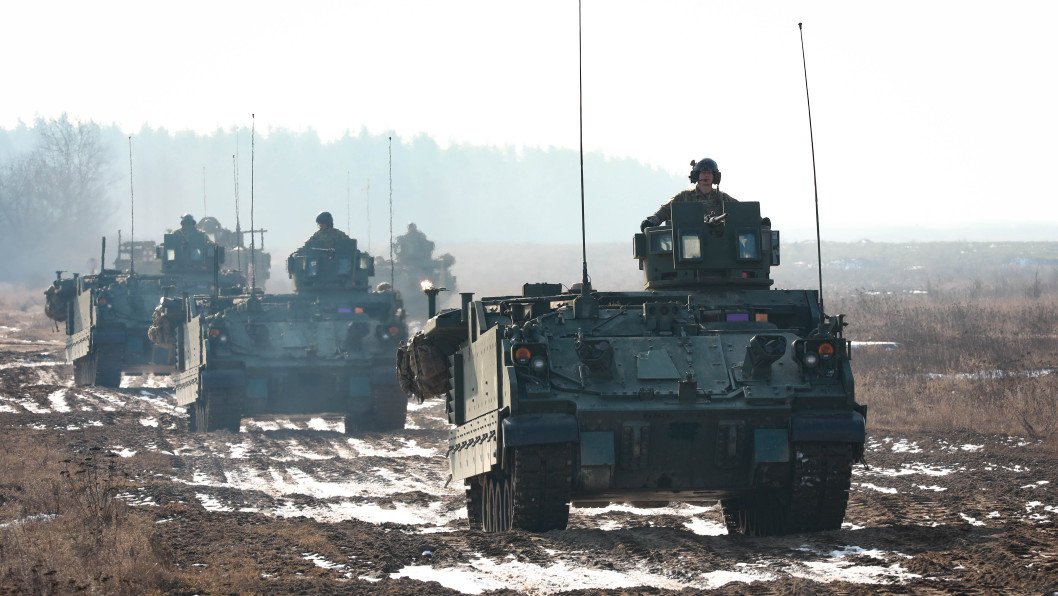
Under the Army’s Future Soldier initiative, it will be replaced by newer platforms, such as the Boxer mechanised infantry vehicle and the Ajax tracked vehicle.
Defense experts from the UK and Ukraine remain divided over whether the Warrior could still play a meaningful role for Ukraine.
Samuel Cranny-Evans, founder of Calibre Defence and a UK-based armored vehicle analyst, believes the fleet’s poor condition and outdated capabilities would limit its value on the battlefield.
“The Warrior fleet isn’t in great condition, which affects the number that could usefully be deployed and used,” he said.
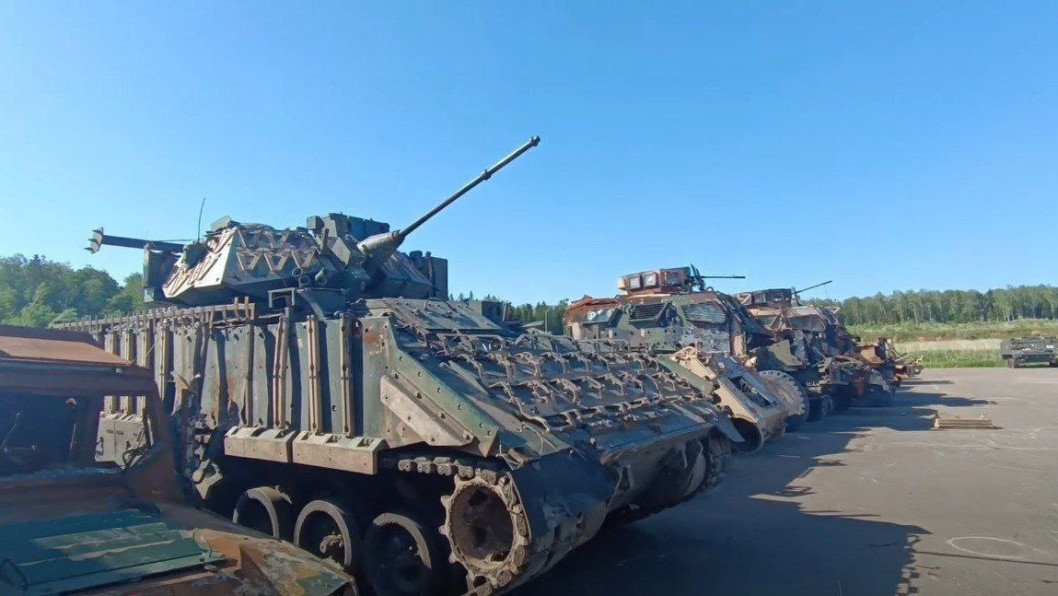
“They are ok as a platform, although less capable than a CV90 and Bradley in terms of lethality by quite a margin. It would also add another vehicle family for Ukraine to maintain, one with very little commonality with any other platform that they have, and for which the supply chain is dormant/non-existent. So, it would add some potentially useful vehicles, but keeping them in service would be problematic, I’d imagine.”
Ukrainian armored warfare analyst Serhiy Berezutskiy offered a more pragmatic take, emphasizing that even outdated vehicles can make a difference in wartime.
“For a country at war that faces a severe shortage of armored vehicles in frontline units, the unification of its equipment fleet is not a critical issue but rather a daily reality,” Berezutskiy said.
“It is far better to have at least some vehicles, even if they are old and worn out, than to have nothing at all,” he added.
He noted that Ukraine has already developed expertise in restoring heavily damaged or outdated armor and could likely bring many Warriors back into service.
Berezutskiy also suggested the vehicles could be repurposed for support roles such as logistics, medical evacuation, or indirect fire platforms if their combat systems were beyond repair.
Earlier, reports emerged that Sweden’s CV90 infantry fighting vehicle (IFV), while being built for versatility and protection on the battlefield, got a new role.
Ukraine’s military has pushed that flexibility to new extremes—using the vehicle not just for troop transport or medical evacuation, but at times as a substitute self-propelled artillery system.
Discuss this article:


-c439b7bd9030ecf9d5a4287dc361ba31.jpg "Photo of Katherina Popilnichenko")