- Category
- Latest news
Top Lithuanian Officials Sheltered After Russian Drone Breach—So What Really Crossed the Border?
 Prefer U24 Media on Google
- Authors


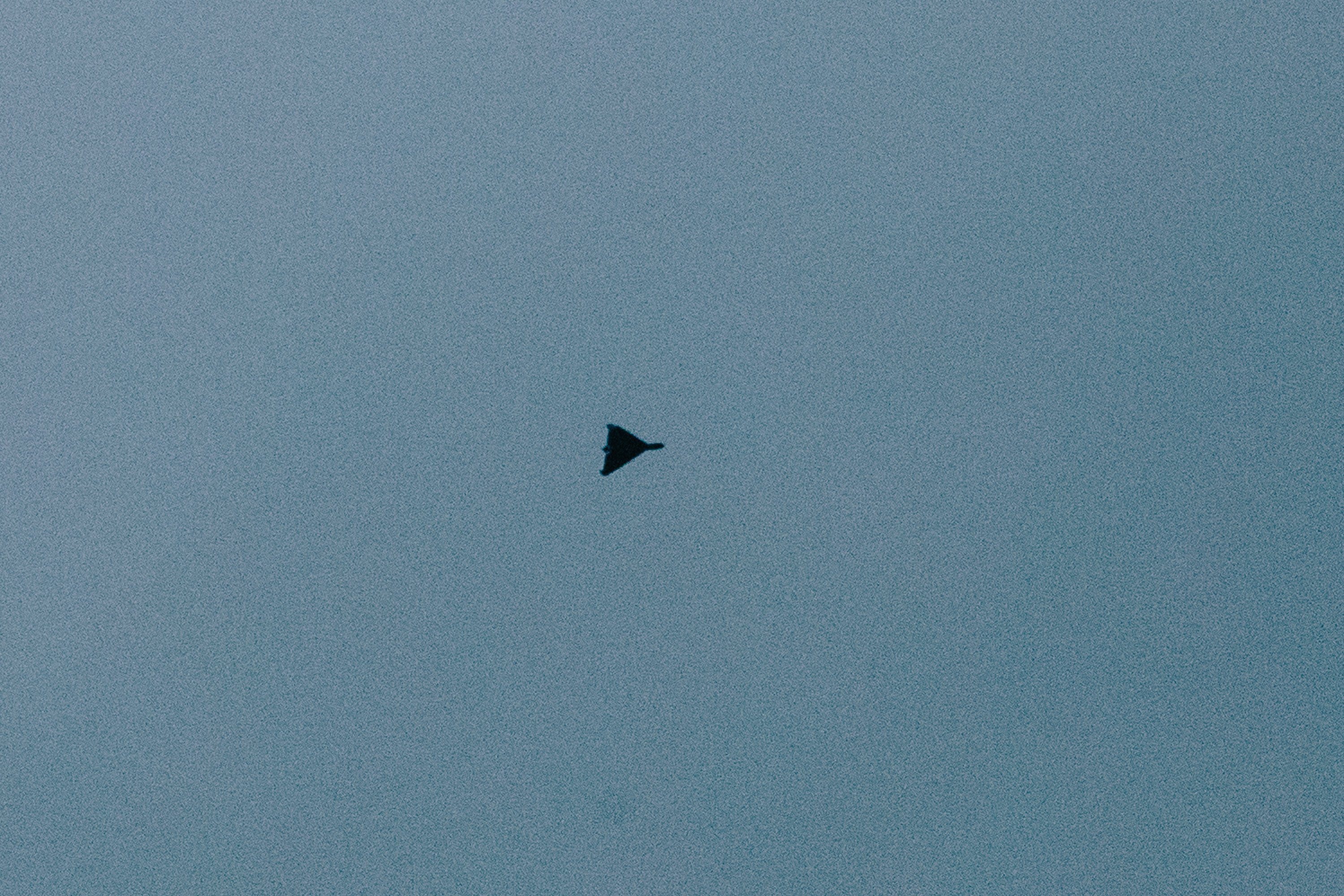
A Russian drone entered Lithuanian airspace from Belarus briefly, triggering a security alert in Vilnius, forcing top government officials into bomb shelters—only for it to be identified minutes later as a homemade plywood-and-foam drone, likely launched as a decoy or reconnaissance tool, Lithuania’s BNS news agency reported on July 10.
Lithuania’s BNS at 12:15 local time claimed that a Russian-made Shahed drone had violated Lithuanian airspace, sparking immediate concern given ongoing drone incursions in Ukraine.
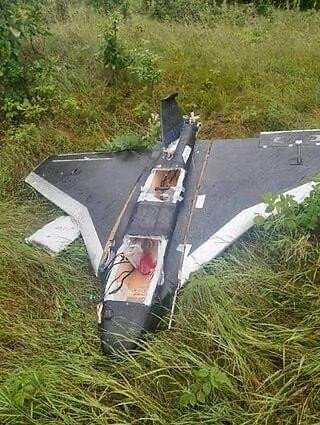
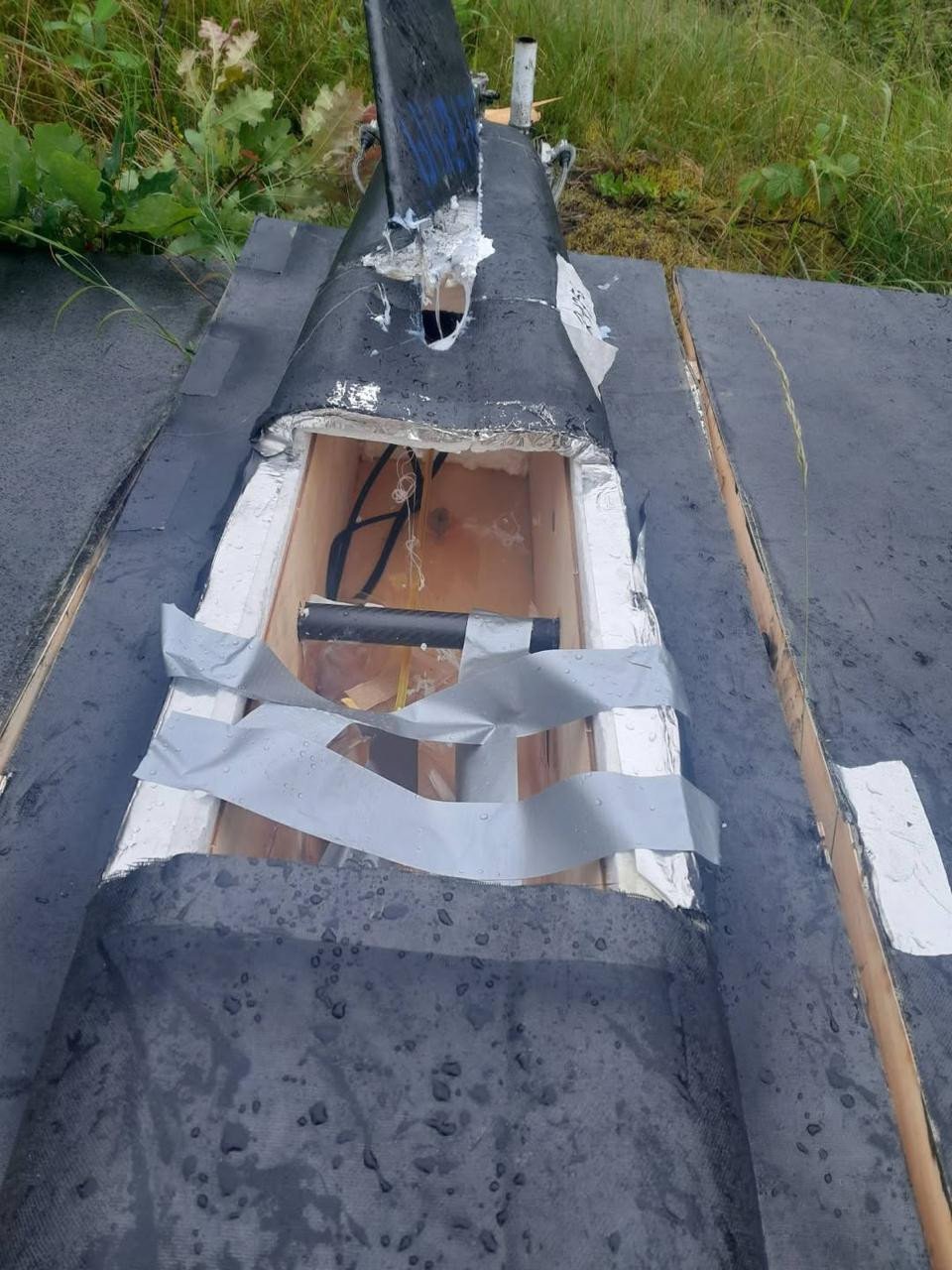
By 12:30, however, Lithuania’s Border Guard Service (VSAT) clarified that the object detected near the closed Šumskas border crossing was not a high-tech loitering munition, but rather a crude, improvised aircraft that crashed about a kilometer inside Lithuanian territory.
The drone, lacking any payload or explosives, posed no direct threat and carried no transponder signal.
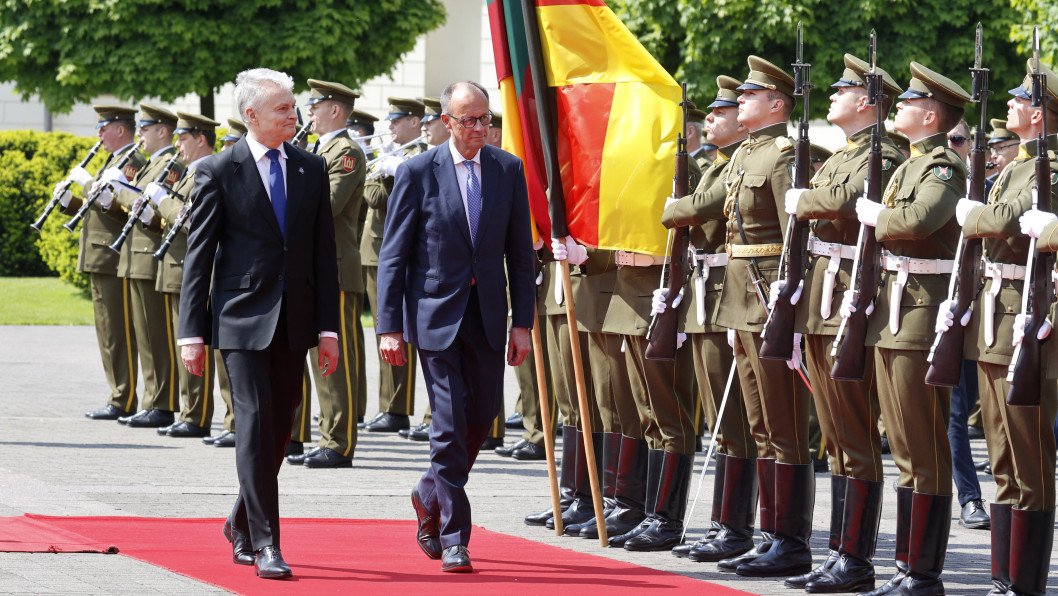
Nevertheless, the initial alert prompted swift protective action. Lithuanian Seimas Speaker Saulius Skvernelis and Prime Minister Gintautas Paluckas were evacuated to shelters under emergency protocols.
Defense Minister Dovilė Šakalienė later stated that the object was “most likely an accidental incursion,” but confirmed that an investigation is ongoing.
Lithuanian border officials noted that similar drones and makeshift aerial vehicles are often used to smuggle cigarettes across the Belarusian border, sometimes even using helium balloons or hand-assembled aircraft. This, they suggested, was the most likely explanation.
However, military expert Yan Matveyev, who resides in Vilnius, offered a starkly different assessment. In an interview with Russian-speaking Lithuanian media Volna, Matveyev argued that the drone strongly resembled a Russian-made “Gerbera”—a lightweight, one-time-use Shahed decoy used by Russian forces in Ukraine to overload enemy air defenses and identify radar and missile system positions.
“This looks much more like a Gerbera than a smuggling drone,” Matveyev said. “It’s not just a piece of plywood—it can carry a small warhead.”
The Gerbera is a cost-effective imitation of Iran’s Shahed-136 (rebranded “Geran-2” in Russia), designed to saturate air defenses and waste expensive interceptors. Built with a plywood frame and foam body, it is powered by a small gas or electric model aircraft engine.
It’s smaller than the Shahed-136 (roughly 2.2–2.5 meters in wingspan, 2.8 meters in length), but far cheaper—reportedly $5,000–10,000 per unit compared to the $40,000–50,000 price tag of a Geran-2.
While the base Gerbera carries only imitation electronics, the upgraded “Gerbera+” version can be fitted with up to 10 kilograms of explosives or electronic warfare equipment.
Russia is currently producing Shahed clones at a facility in Yelabuga, with plans reportedly underway to transfer some production capacity to Belarus.
Earlier, Russia had threatened to “neutralize” NATO activities it views as hostile, as the alliance kicks off a series of major military exercises in Lithuania.
Discuss this article:



-c439b7bd9030ecf9d5a4287dc361ba31.jpg "Photo of Katherina Popilnichenko")