- Category
- Latest news
UAE Exits OPEC After 60 Years, Seeking Flexibility as Iran War Disrupts Oil Markets
 Prefer U24 Media on Google
- Authors

-72b63a4e0c8c475ad81fe3eed3f63729.jpeg "Photo of Cyril Barabaltchouk")
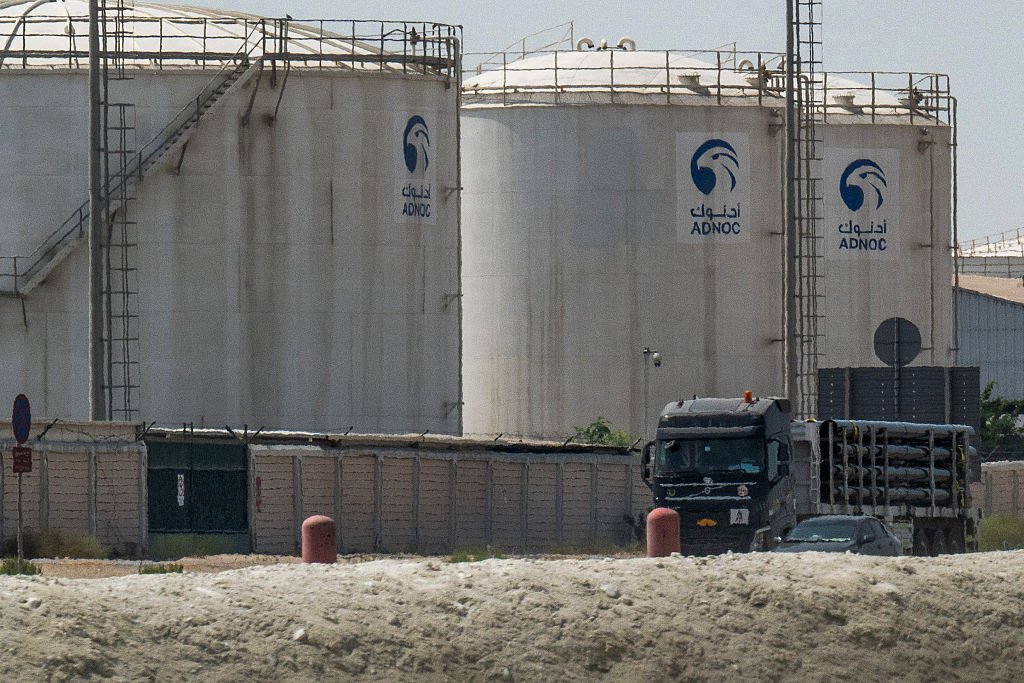
The United Arab Emirates will officially leave OPEC on May 1, dealing a significant blow to the organization and its leader, Saudi Arabia, as global oil markets grapple with massive supply disruptions caused by the war in Iran, Bloomberg reported on April 28.
After six decades of membership, the departure is reported as a major loss for the group. Before the conflict in Iran erupted, the UAE stood as OPEC’s third-largest producer, accounting for approximately 12% of the organization’s overall supply.
We bring you stories from the ground. Your support keeps our team in the field.
Energy Minister Suhail Al Mazrouei told Bloomberg in an interview that the supply shortages created by the ongoing war in Iran made this an opportune time to exit. He emphasized that the decision followed a long strategic review and allows the UAE the agility to respond to an undersupplied market without being constrained by OPEC’s collective decision-making process.
The withdrawal follows years of underlying tension with neighboring Saudi Arabia over oil output policies and regional political influence. Abu Dhabi had previously sought to deploy new investments to expand production capacity, while Riyadh consistently pressed the wider group to restrain supply to support prices.
The long-term implications point to a structurally weaker OPEC, analysts told Bloomberg. Jorge Leon, head of geopolitical analysis at Rystad Energy, noted that outside the group, the UAE possesses both the incentive and ability to increase production, raising broad questions about Saudi Arabia’s future role as the central stabilizer of the global market.
Other nations have also exited the bloc in recent years. Angola quit at the end of 2023, Ecuador departed in 2020, and Qatar withdrew in 2018 to focus on its natural gas sector.
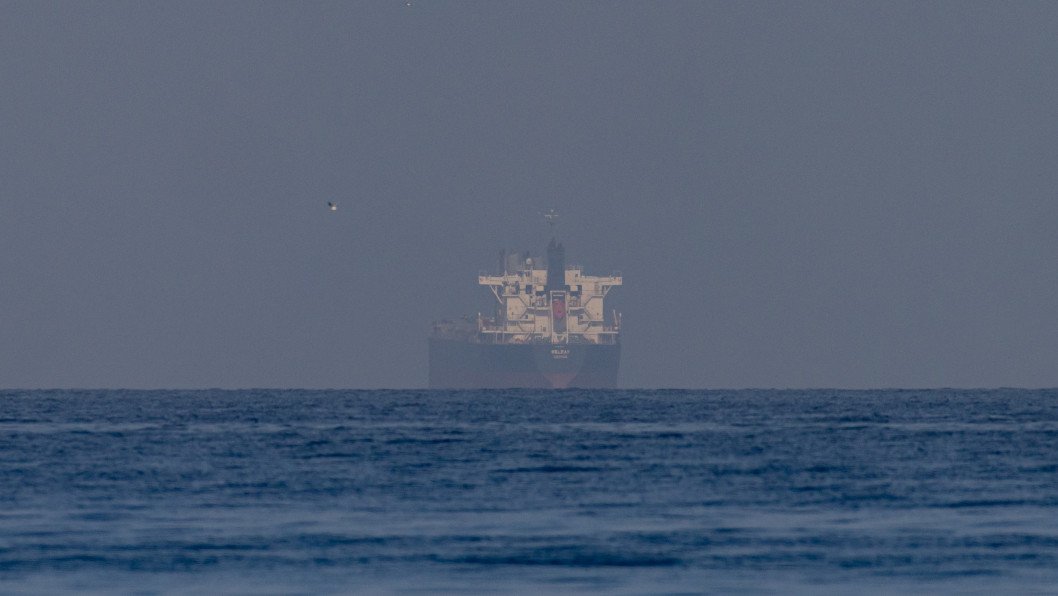
In the immediate future, however, the practical impact of the UAE’s departure will likely remain limited. The ongoing war between the US and Iran is severely throttling exports from the Persian Gulf, forcing regional producers to slash production rather than expand it. Oil futures are currently trading near $111 a barrel in London.
Bloomberg notes that the UAE possesses significant spare production capacity, with the state-run oil giant Adnoc estimating its capability at 4.85 million barrels a day—close to a planned 5 million-barrel target. Operating outside OPEC’s quota system, Abu Dhabi could eventually bring this considerable extra supply directly to the market once regional shipping lanes stabilize.
The UAE’s decision to exit OPEC today is the latest development stemming from the ongoing war in Iran, a conflict that is significantly disrupting global shipping routes. Recently, as the Iranian blockade of the Strait of Hormuz—a crucial chokepoint that previously handled 20% of global oil trade—caused a sharp rise in fuel prices, traders redirected energy shipments mid-voyage to capitalize on market volatility.
Two tankers loaded with Russian ultra-low sulfur diesel abandoned their scheduled deliveries to Brazil, turning back toward the Suez Canal and the Strait of Gibraltar, while two others remain drifting at sea. With Brazil heavily dependent on Russian imports and forced to run its state-owned Petrobras refineries at maximum capacity, these sudden tanker diversions, coupled with the UAE’s unprecedented departure, are signaling the instability currently gripping the global energy sector.
Discuss this article: