- Category
- Latest news
Fuel Price Surge Forces Russian Diesel Tankers to Divert From Brazil
 Prefer U24 Media on Google
- Authors

-c439b7bd9030ecf9d5a4287dc361ba31.jpg "Photo of Katherina Popilnichenko")
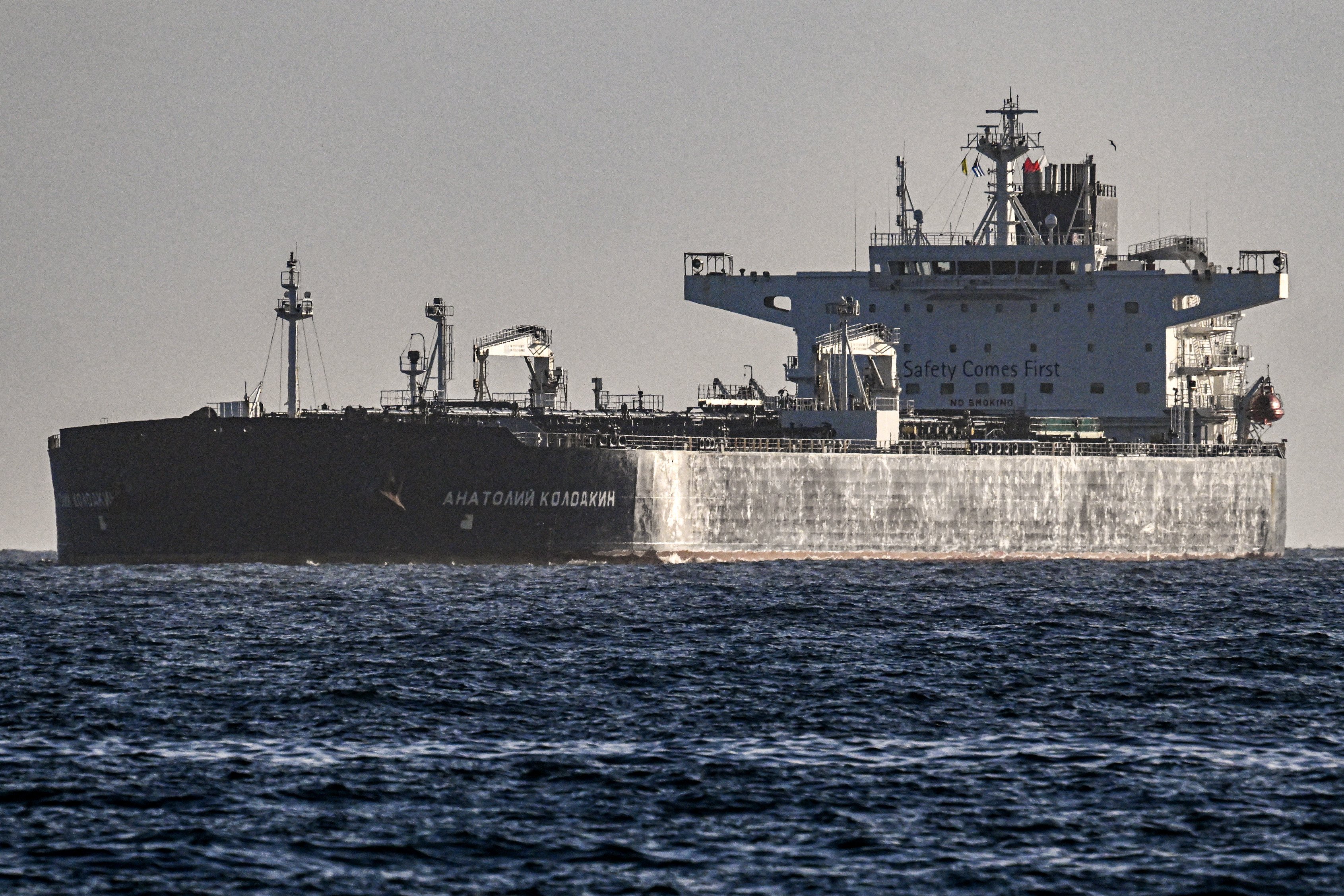
Two tankers carrying Russian ultra-low sulfur diesel changed their routes while at sea.
The vessels were originally heading for Brazil, but the decision to divert was made following a sharp increase in global fuel prices. Reports indicate that the surge in costs is linked to the military escalation in Iran, according to Reuters on April 27.
We bring you stories from the ground. Your support keeps our team in the field.
Both ships loaded their cargo at the Russian Baltic port of Primorsk in March. They had completed nearly half of their journey to Brazil before their destination plans were altered. Trading sources and shipping data show that the buyers of the fuel were changed as market conditions shifted.
The Flora 1, a Cameroon-flagged tanker carrying approximately 37,000 tons of diesel, is now moving toward the Suez Canal. Another vessel, the Aurora, which flies the flag of Sao Tome and Principe, turned around in the Atlantic Ocean. It is currently traveling toward the Strait of Gibraltar.
Two additional tankers that loaded a combined 106,000 tons of diesel in April have stopped their movement. These vessels are currently drifting at sea on the way to Brazil without a clear direction. The specific reasons for their delay have not been confirmed.
Brazil depends on imports for 20% to 30% of its diesel consumption. Since the European Union banned Russian petroleum products in 2023, Russia has become the primary supplier for Brazil, taking the market share previously held by the United States.
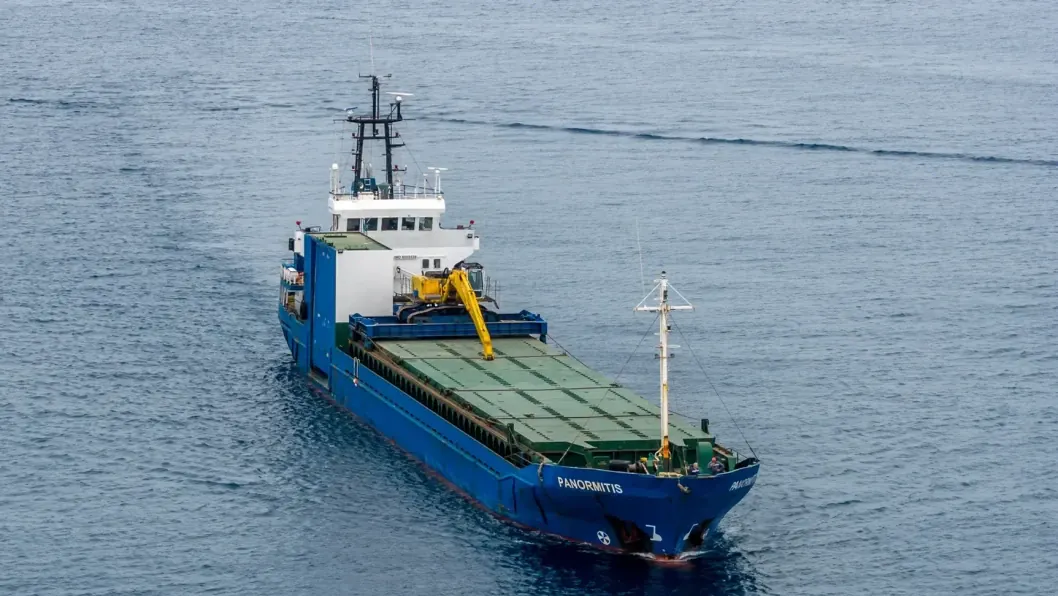
The Brazilian state oil company Petrobras is currently operating its refineries at maximum capacity. This is an effort to meet domestic demand while prices rise due to geopolitical tensions. Data suggests that Russian diesel shipments to Brazil could exceed 800,000 tons for the month of April.
On April 23, 2026, the European Union officially approved its 20th package of sanctions against Russia, which included over 100 individual restrictions. These measures specifically targeted the Russian energy sector and the "shadow fleet" network used to bypass international trade limits.
As part of this package, 46 additional vessels were banned from accessing ports, bringing the total number of restricted ships to 632. Furthermore, the EU established a framework to further limit revenues from Russian oil exports by focusing on entities operating in third countries and maritime insurers.
Discuss this article: