- Category
- Latest news
Russian Billionaire’s Yacht Slips Through Closed Strait Of Hormuz Despite Restrictions
 Prefer U24 Media on Google
- Authors


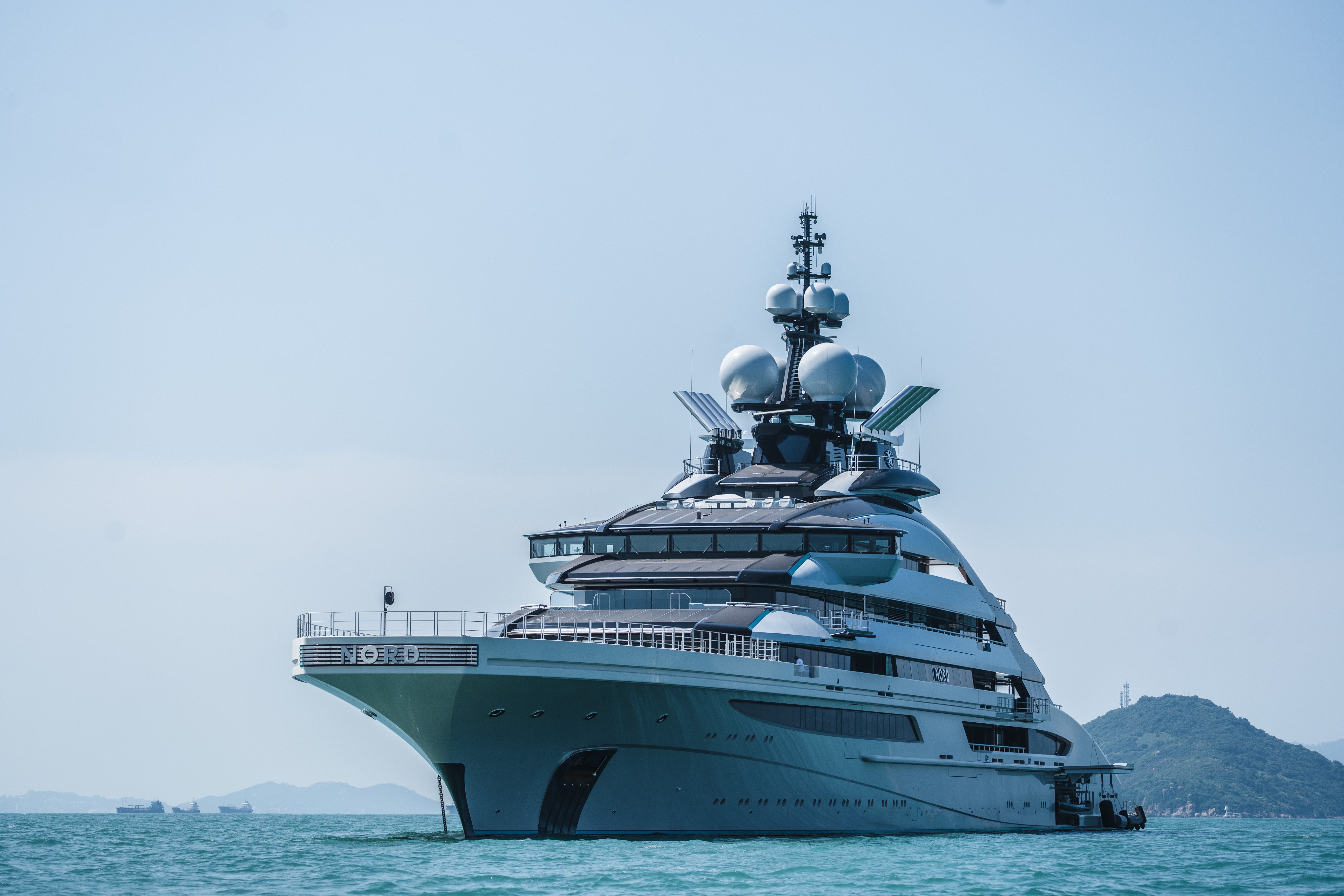
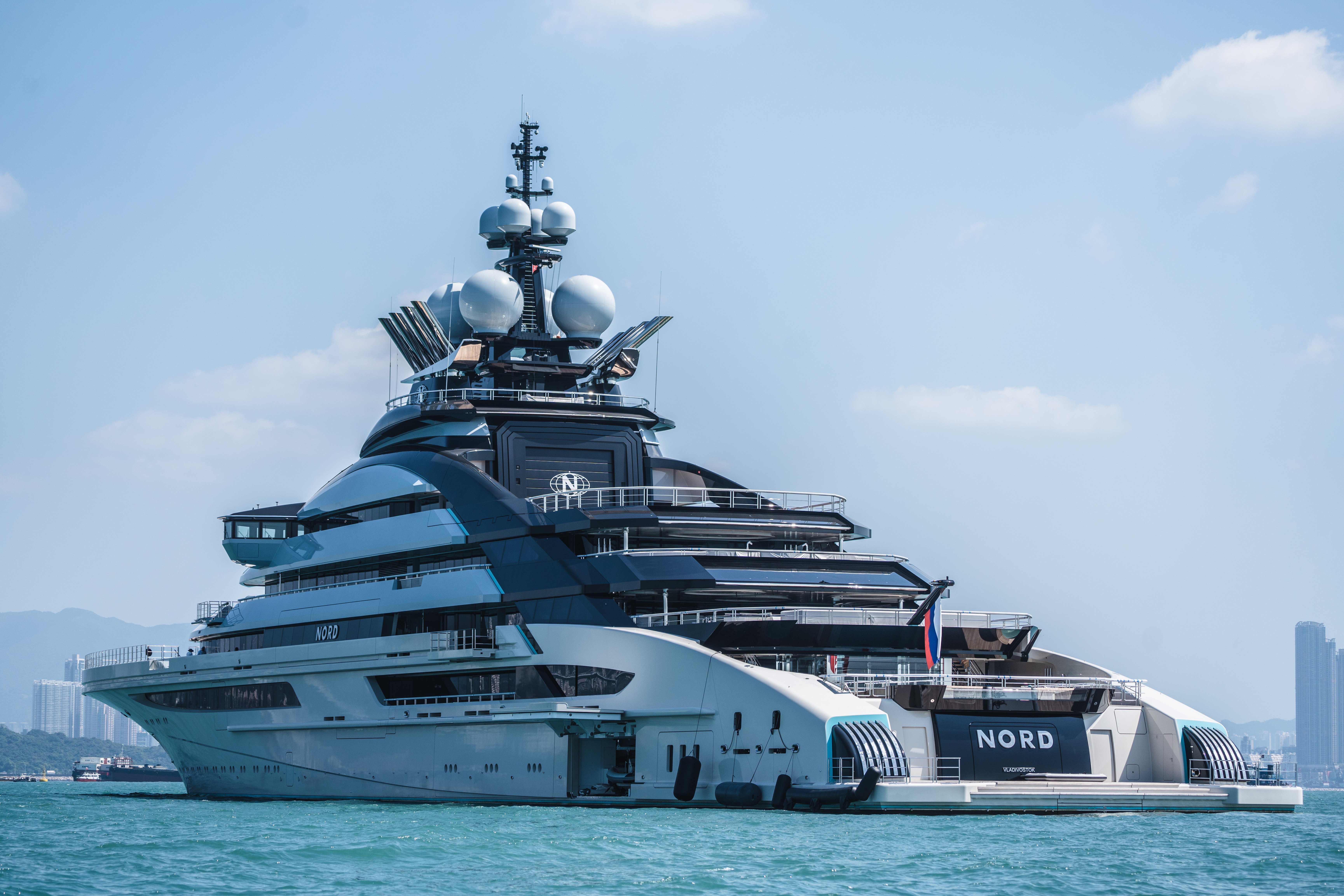
A superyacht belonging to Russian billionaire Alexey Mordashov passed through the Strait of Hormuz despite ongoing restrictions on maritime traffic in the region amid the US and Israeli military operation against Iran.
We bring you stories from the ground. Your support keeps our team in the field.
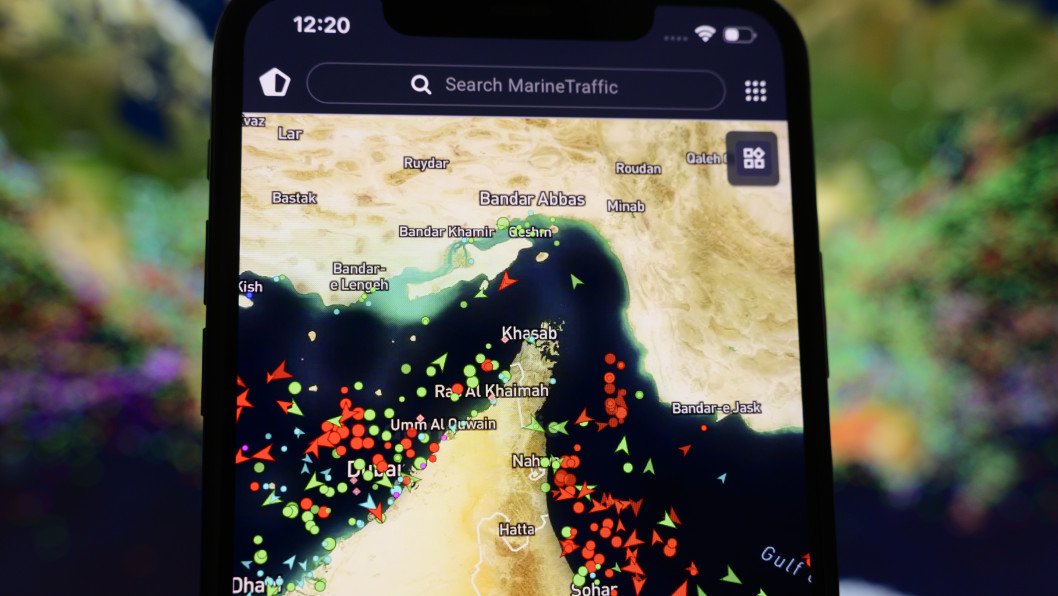
According to The Moscow Times and vessel tracking data from MarineTraffic and VesselFinder cited on April 25, the 142-meter yacht Nord departed Dubai on April 24 and transited the Strait of Hormuz overnight, heading toward Oman.
The same data indicated that several other vessels—including two tankers under US sanctions, five cargo ships, and a passenger ferry—also crossed the strait during that period.
According to NBC News, Iranian authorities allowed limited maritime movement through the strategic waterway despite earlier restrictions. The outlet reported that the passage included vessels linked to sanctioned entities, raising questions about enforcement consistency in the region.
The yacht belongs to Alexey Mordashov, the majority owner of Severstal. According to Forbes, Mordashov recently became Russia’s richest individual, with an estimated net worth of $37 billion.
He is currently under sanctions imposed by the US, the United Kingdom, and the European Union. His yacht, built by the German shipyard Lürssen, was re-registered in Russia following the introduction of Western restrictions.
Iran had made exceptions for Russian-linked vessels, allowing them to transit the Strait of Hormuz without paying standard fees. The Iranian ambassador to Moscow previously indicated that such measures were in place despite broader maritime limitations.
The developments come amid ongoing tensions in the region. Iran declared the closure of the Strait of Hormuz following the launch of military operations by the US and Israel in late February. In response, the US imposed a maritime blockade targeting Iranian ports and warned it would pursue vessels associated with Iran’s so-called “shadow fleet,” including in international waters.
Iran briefly reopened the waterway for commercial shipping on April 17 after a temporary ceasefire agreement involving Israel and Hezbollah. However, the permission was later revoked, with Tehran accusing Washington of “piracy.”
On April 19, Iran’s Islamic Revolutionary Guard Corps stated that navigation would only fully resume once the US lifted its maritime restrictions.
The Strait of Hormuz remains one of the world’s most critical maritime chokepoints, handling a significant share of global oil shipments, making any disruption or selective access a key concern for international shipping and energy markets.
Earlier, Iran’s Islamic Revolutionary Guard Corps seized two commercial vessels in the Strait of Hormuz, according to Reuters on April 22, marking the first such incidents since the start of the US–Israeli military campaign.
Discuss this article:
-9a7b3a98ed5c506e0b77a6663f5727c5.png)

-c439b7bd9030ecf9d5a4287dc361ba31.jpg "Photo of Katherina Popilnichenko")