- Category
- Latest news
Iran Reimposes Restrictions on Maritime Traffic Through Strait of Hormuz
 Prefer U24 Media on Google
- Authors

-c439b7bd9030ecf9d5a4287dc361ba31.jpg "Photo of Katherina Popilnichenko")
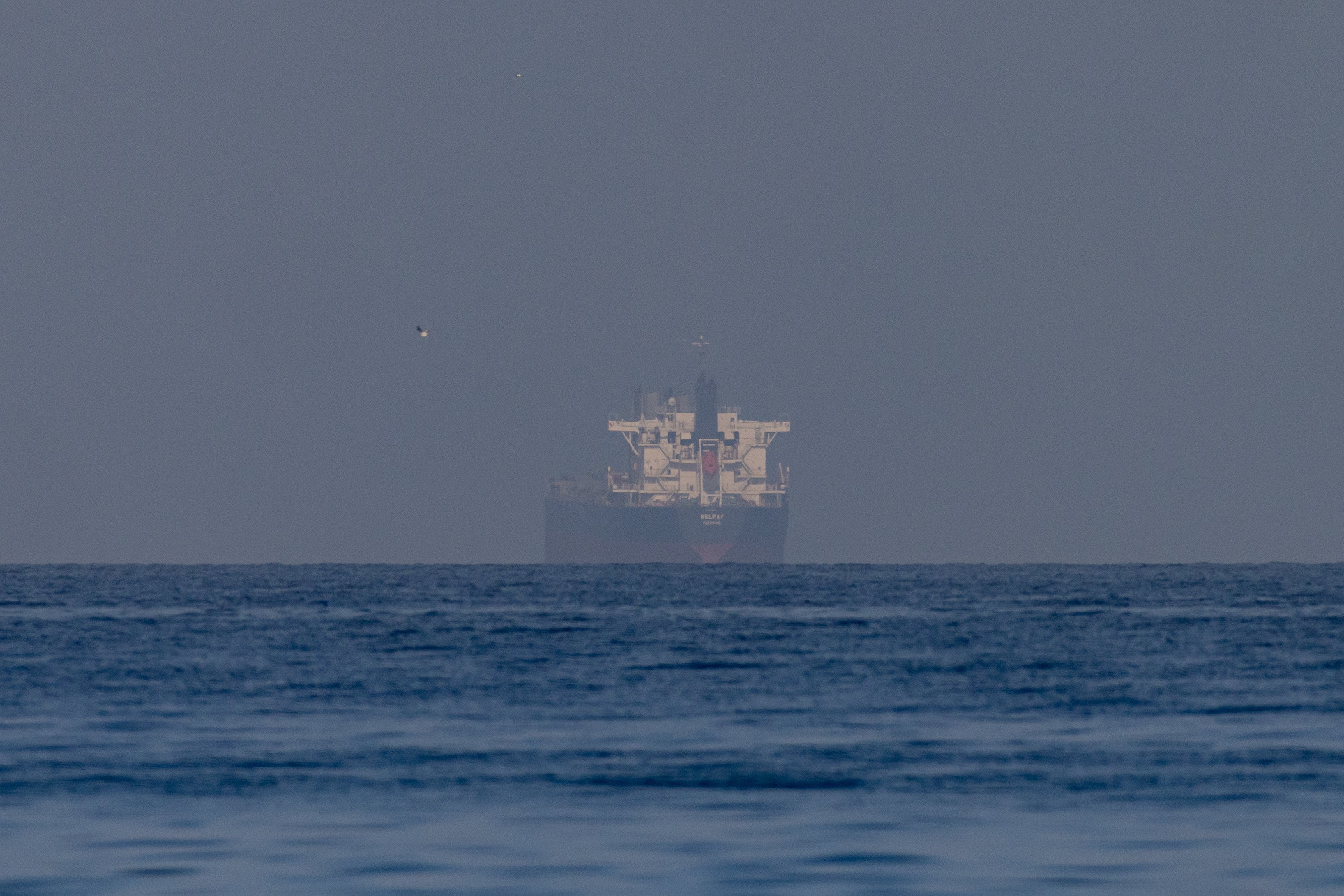
Iran has re-imposed a ban on maritime traffic through the Strait of Hormuz. The Iranian government cited violations of a ceasefire agreement by Israel as the reason for this decision.
The move follows Israeli military strikes against Hezbollah targets in Lebanon, according to the Fars news agency on April 8.
We bring you stories from the ground. Your support keeps our team in the field.
The Israel Defense Forces stated that they attacked command centers and military facilities belonging to the group. These operations occurred after a ceasefire between the United States and Iran had been announced.
The Lebanese Ministry of Health reported that the strikes, which included targets in Beirut, reportedly resulted in hundreds of people being killed and wounded.
Ibrahim Rezaei, a representative of the Iranian parliament’s National Security Committee, stated that maritime movement through the Strait of Hormuz must be suspended immediately in response to the Israeli military actions.
He also emphasized the need for a “powerful and decisive” strike to prevent “further aggression” from Israel. Rezaei noted that there are only two possibilities: a ceasefire on all fronts or the continuation of the war.
The United States and Iran had reached a two-week ceasefire agreement on the morning of April 8, following 40 days of hostilities. As part of this deal, Iran had agreed to open the Strait of Hormuz for shipping. Both nations also planned to resume direct peace negotiations scheduled to begin on April 10 in Pakistan.
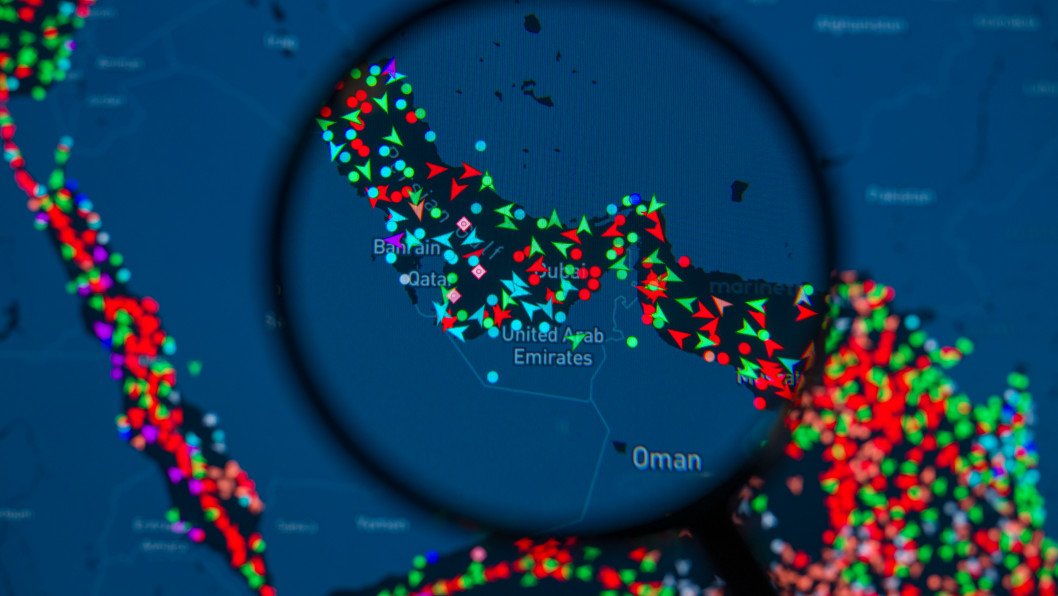
Before the new closure was announced, only two tankers managed to pass through the strait. Most ship owners chose to remain cautious despite the initial ceasefire agreement.
Iran has also conducted strikes against the UAE, Kuwait, and Bahrain since the ceasefire began. Iranian state media described these actions as a response to “hostile” attacks that occurred shortly after the agreement with the US took effect.
Previously, European Union foreign ministers held urgent discussions to address the closure of the Strait of Hormuz, which Kaja Kallas warned was a threat to global energy supplies and European security.
The bloc’s top diplomat noted that the disruption directly benefited Moscow by helping finance Russia’s full-scale invasion of Ukraine. With Brent crude prices surpassing $100 per barrel, Kallas engaged in talks with the UN to explore a secure maritime corridor, while also coordinating with Washington regarding a potential naval coalition to escort commercial vessels through the region.
Discuss this article:
-4a56a6b482ec132402c16ef6fcabf9a2.png)