- Category
- Latest news
EU Foreign Ministers Hold Urgent Talks to Keep Strait of Hormuz Open
 Prefer U24 Media on Google
- Authors

-72b63a4e0c8c475ad81fe3eed3f63729.jpeg "Photo of Cyril Barabaltchouk")
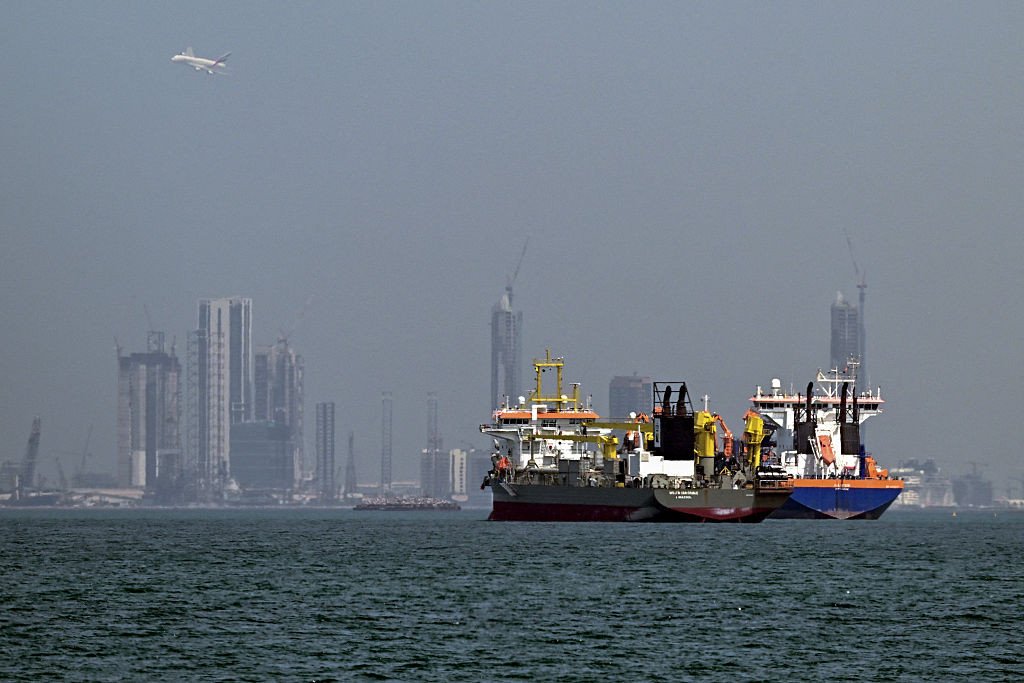
EU foreign ministers are urgently discussing steps to keep the critical Strait of Hormuz open, Radio Svoboda reported on March 16.
Speaking to journalists in Brussels, the bloc’s top diplomat, Kaja Kallas, warned that the effective closure of the maritime choke point threatens not only global energy supplies but also the bloc’s security. She emphasized that blocking the strait directly benefits Moscow, creating a highly lucrative environment for Russia to finance its ongoing invasion of Ukraine.
We bring you stories from the ground. Your support keeps our team in the field.
Tanker traffic through the Strait of Hormuz has largely halted since the outbreak of the Middle East conflict. Because the strait previously accounted for 20-25% of global seaborne oil trade, this massive bottleneck has already driven Brent crude prices past $100 per barrel.
Kallas revealed she is in active talks with UN Secretary-General António Guterres to explore establishing a secure maritime corridor similar to the Black Sea Grain Initiative. She noted that 85% of the oil and gas passing through the strait is bound for Asia, alongside critical fertilizer shipments that are absolutely necessary to prevent severe global food shortages next year, according to Radio Svoboda.
US President Donald Trump had warned of a “very bad future” for NATO if European allies fail to join a looming US-led naval coalition to escort commercial vessels. While Trump indicated that American escorts would begin “very soon,” Kallas confirmed that European officials are in close contact with Washington to determine their exact role in stabilizing the highly volatile region.
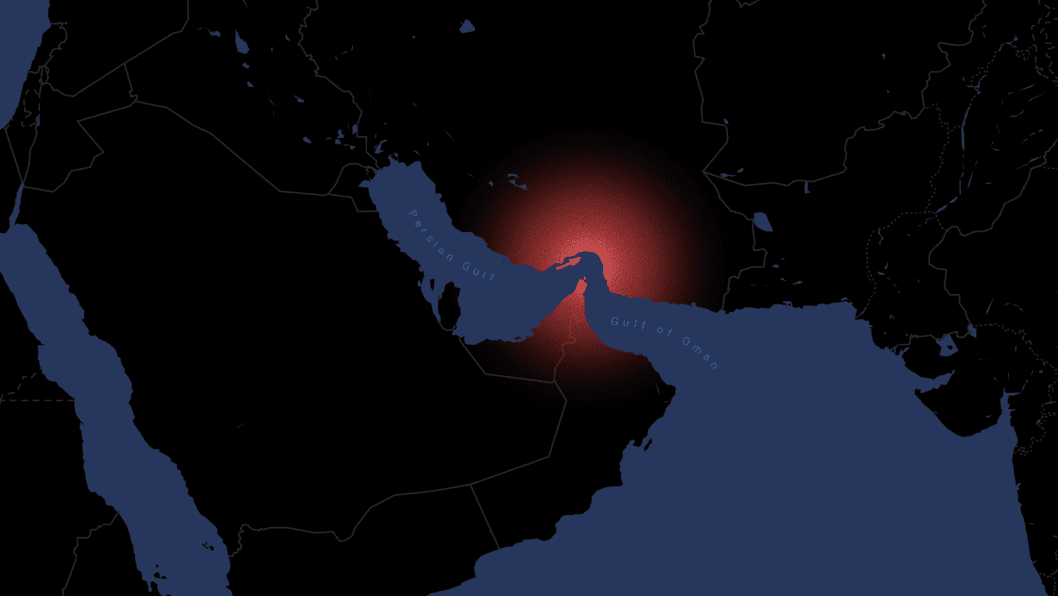
The escalating conflict between the United States and Iran fundamentally reshaped the security landscape of the Middle East over the past few months. Following a series of coordinated military operations—including the joint US “Epic Fury” operation and Israeli “Roar of the Lion” strike campaign against Iranian military infrastructure—tensions remain at an all-time high.
A recent report detailed how these preemptive strikes targeted air defenses and naval facilities to neutralize Tehran’s ability to mine strategic waterways. Currently, Washington maintains a massive naval armada in the region, with the US President actively threatening unprecedented military consequences if Iran attempts to block global oil flows or refuses to negotiate a new nuclear deal.
Discuss this article:
-9a7b3a98ed5c506e0b77a6663f5727c5.png)