- Category
- Latest news
UK Intelligence: Kremlin Fully Replaced Wagner Group With State Forces in Mali to Tighten Control
 Prefer U24 Media on Google
- Authors

-72b63a4e0c8c475ad81fe3eed3f63729.jpeg "Photo of Cyril Barabaltchouk")
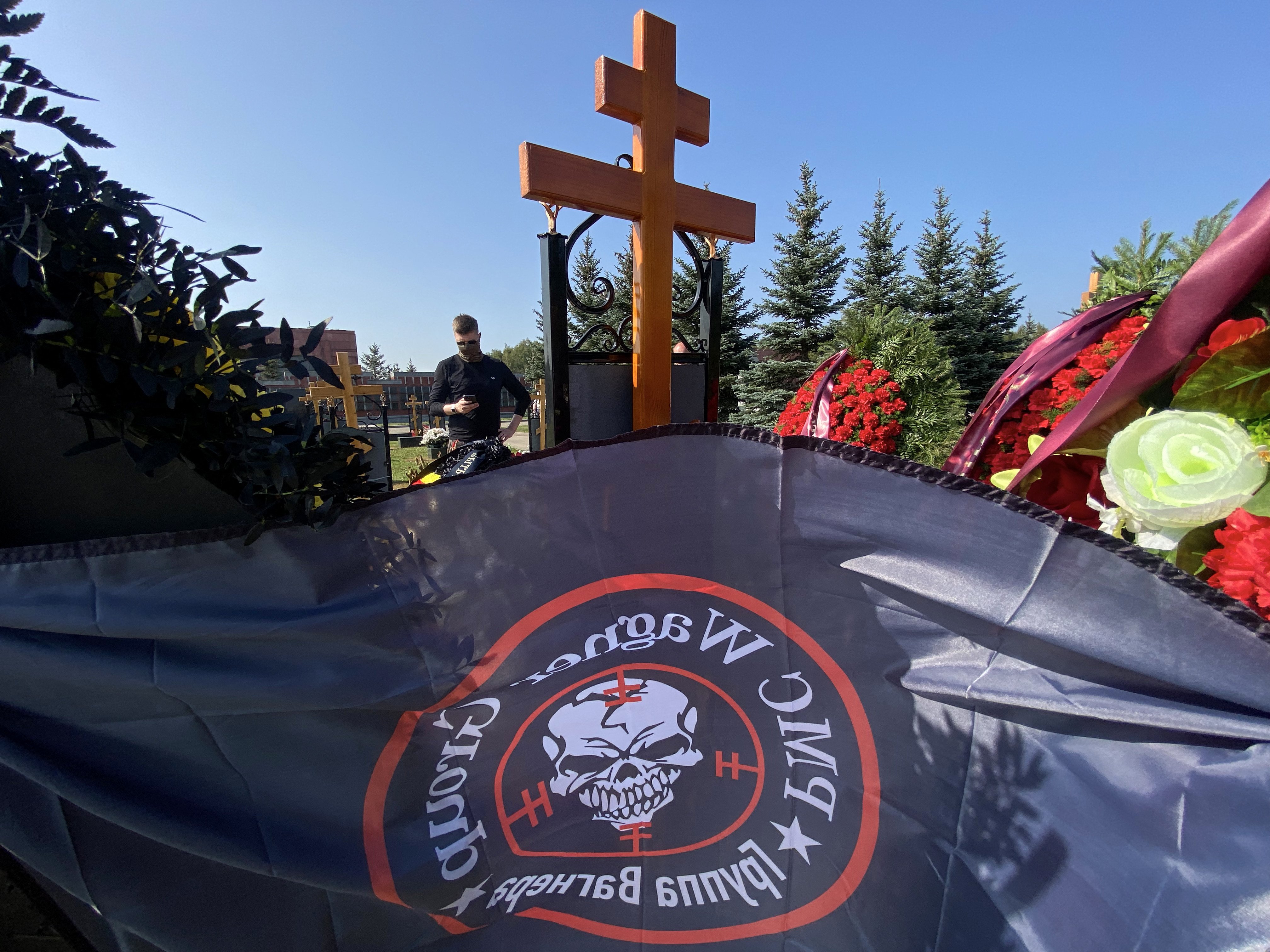
Russia’s ongoing efforts to remove the Wagner Group threat have intensified following the 2023 mutiny, with Moscow now openly bolstering its direct security presence abroad. In June 2025, the Russian Ministry of Defense confirmed that the Wagner Group had been fully removed from Mali and replaced by a newly established African Corps, as was reported on July 31.
This move, alongside the deployment of over 100 units of heavy weaponry, including main battle tanks, multiple rocket launchers, and tactical bombers, significantly strengthens Russia’s military footprint in Mali, British Ministry of Defense states.
The British Ministry of Defense also reported that the Russian military presence in Mali had been reduced from approximately 2,500 mercenaries to a 2,000-strong Russian military contingent. The replacement of Wagner by Russian state forces signifies a shift in Moscow’s approach to private military contractors (PMCs) following the Wagner mutiny in 2023.
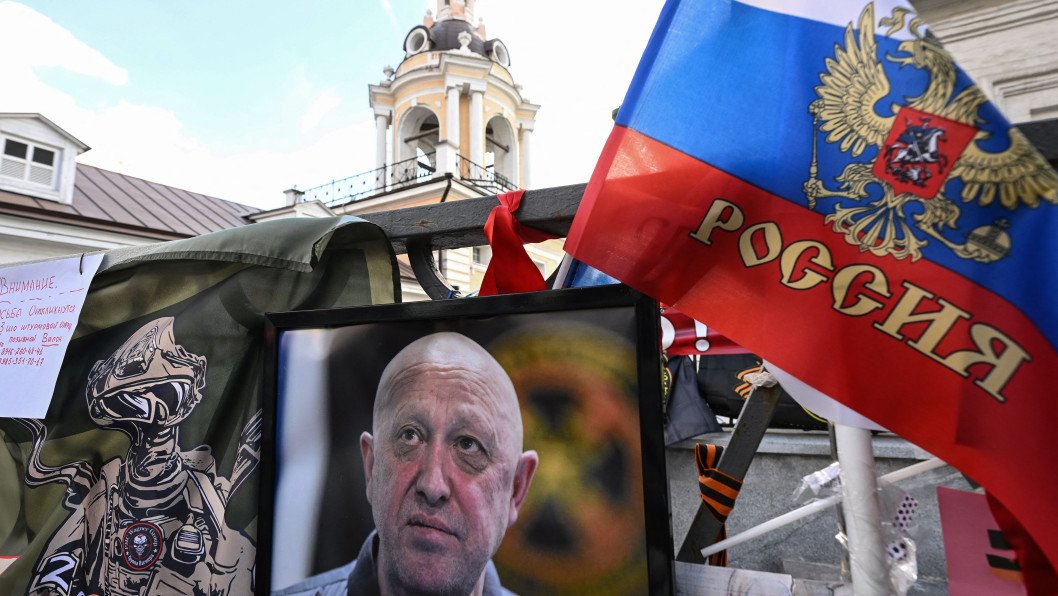
Putin, who initially relied on Wagner for foreign military operations, now views such private armies as potential threats to his rule. This transition aims to ensure tighter control over military operations abroad and reduce risks associated with potential insurgencies by independent forces.
Since the 2023 Wagner mutiny, Russia has been progressively replacing private military contractors with state military structures in various conflict zones. The shift began in Syria in 2023, followed by Libya in 2024, and now includes Mali. This allows Russia to formalize military relationships internationally while minimizing the risks of more insurrections by mercenary groups.
While Wagner’s influence has waned significantly, the group still remains active in the Central African Republic and Belarus, where around 2,000 and 300 fighters, respectively, continue operations. Despite the reduction in scale, Wagner’s autonomy persists in certain regions, though it has been significantly diminished compared to its peak in 2022-2023.
The strained relationship between Mali and Ukraine deepened after an attack by Tuareg insurgents in 2024, which led to the deaths of 47 Malian soldiers and 84 Wagner mercenaries working for the regime. Following this event, a Ukrainian intelligence representative suggested that Ukraine might have been involved.
In November 2024, Ukrainian President Volodymyr Zelenskyy had also declared that Ukraine was prepared to share its experience in dismantling Wagner mercenaries with African nations.
While Wagner’s role has diminished, the Kremlin’s strategic footprint in Africa remains significant. Moscow continues to expand its influence through state-controlled military operations, further solidifying its presence in Mali, Syria, and beyond.
Earlier, it was reported that at least 11 people were shot dead at a gold mine in the Central African Republic controlled by Russia’s Wagner Group, according to a report by the Associated Press citing local residents and humanitarian workers.
Discuss this article:


-b3edefa350ac9e77d9bc1b18bd02eac6.jpg "Illustration of a Russian Pantsir-S1 air defense system. (Source: General Staff of the Armed Forces of Ukraine)")