- Category
- Latest news
Russian Strike on Ukrainian Hydropower Plant Sparks Moldovan Water Crisis
 Prefer U24 Media on Google
- Authors

-c439b7bd9030ecf9d5a4287dc361ba31.jpg "Photo of Katherina Popilnichenko")
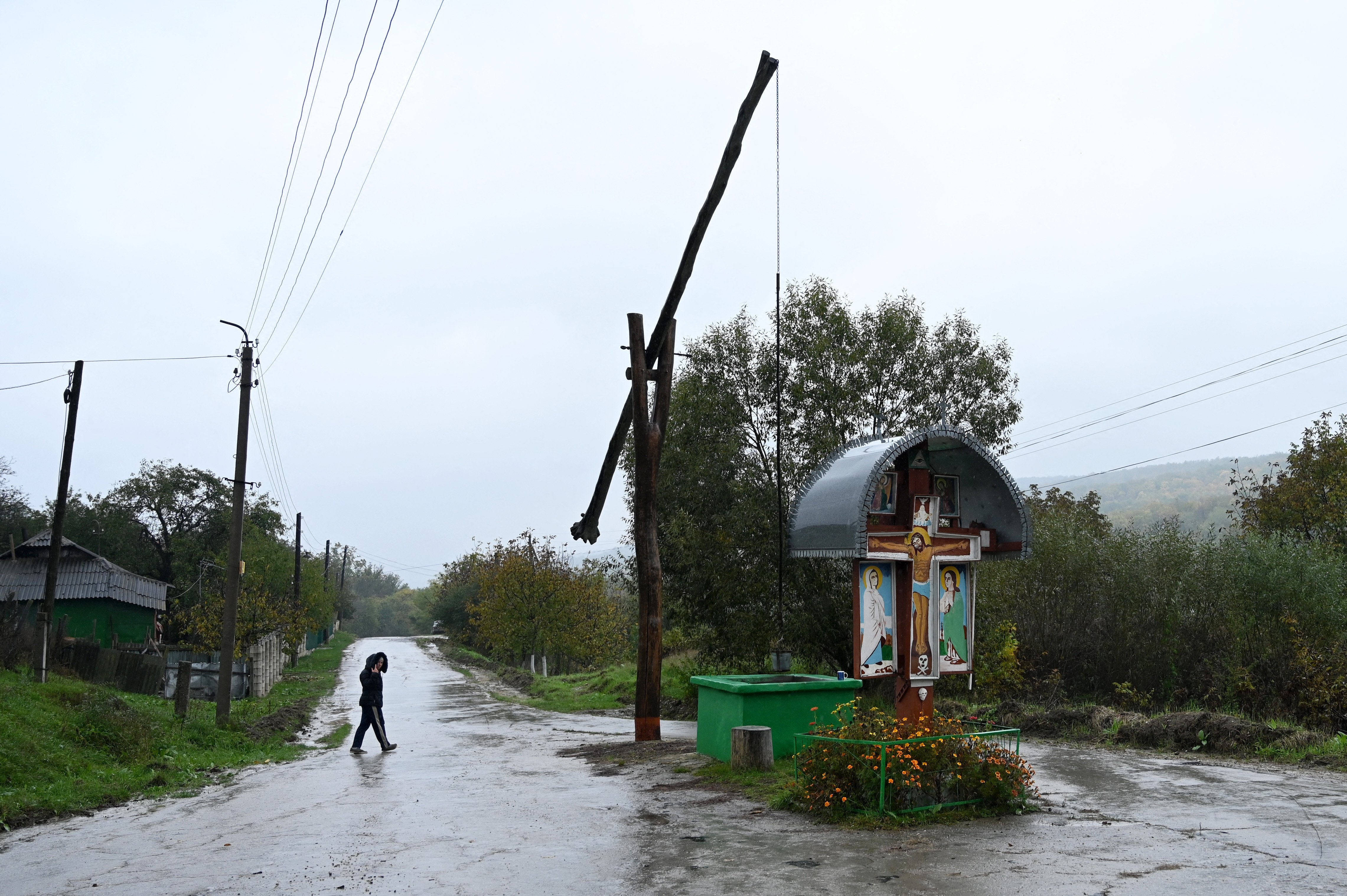
Authorities in Moldova have begun restricting water supplies across several northern regions due to contamination of the Dniester River, according to The Moscow Times on March 17.
The pollution follows a Russian strike on the Dniester Hydroelectric Power Station in Ukraine. As a result of the damage, petroleum products leaked into the river on March 7.
As the Dniester flows directly from the Ukrainian power station downstream into Moldova, the contamination crossed the border immediately, threatening the primary water source for most Moldovans.
We bring you stories from the ground. Your support keeps our team in the field.
The National Crisis Management Center (CNMC) reported that water services have been suspended in Balti, the second-largest city in Moldova, since Saturday. To assist residents, officials deployed 25 tankers carrying over 95 tons of drinking and technical water. Local schools have transitioned to remote learning during the outage.
An environmental emergency was declared for the Dniester basin on March 16. The Dniester provides water for approximately 80% of Moldova’s population, including nearly all residents of the capital, Chișinău.
In addition to Balti, water supplies are temporarily cut in the villages of Cosauti and Naslavcea, as well as the Soroca, Floresti, and Singerei districts.

Moldovan Environment Minister Gheorghe Haider stated that water services will only resume once the concentration of petroleum products drops to a safe level of 0.1 mg per liter. He noted that current levels remain too high.
President Maia Sandu stated that Russia “bears full responsibility” for the river’s pollution. The General Prosecutor’s Office has opened a criminal investigation into the matter.
Moldova has also requested assistance from the European Union, with Romania already providing absorbent barriers and specialized equipment.
Monitoring shows that oil slicks are moving downstream and are expected to reach the water intake for Chișinău after passing the Dubasari Dam.
Following the incident, Moldova’s Ministry of Foreign Affairs summoned the Russian ambassador to to Chișinău hand him a formal protest note along with a bottle of contaminated water collected from the Dniester River.
During the meeting, officials condemned the March 7 strike on Ukraine’s Novodnistrovsk hydropower complex, which had triggered oil leaks and created significant risks for Moldova’s water security.
They emphasized that the river served as a critical source for 80% of the population, and they presented the murky water as direct evidence of the environmental damage caused by the attack.
Discuss this article:
-9a7b3a98ed5c506e0b77a6663f5727c5.png)